Sony makes some of the best audio equipment available right now, but not every product deserves your money. The WH-1000XM6 headphones are industry-leading noise cancellers, the Truly Wireless Earbuds offer decent sound on a tight budget, and the SRS-ULT10 speaker combines portability with genuine volume. We've tested each to tell you which ones justify their asking price.
Why Sony?
Sony founded its audio division in 1961 and has spent over six decades perfecting wireless sound. They specialise in noise-cancelling technology—the WH-1000XM6 uses Sony's proprietary Noise Cancelling Processor that actively samples ambient sound 48,000 times per second to eliminate it. Unlike most competitors, Sony designs chips specifically for audio processing rather than using generic components. Their portable speakers use innovative technology like CyberShot bass tuning (the SRS-ULT10 produces 14W output in a compact 600g chassis). Sony headphones and speakers consistently rank highest in independent reviews for noise isolation and sound clarity, particularly in the £30–£400 range where competition is fiercest.
Top Picks
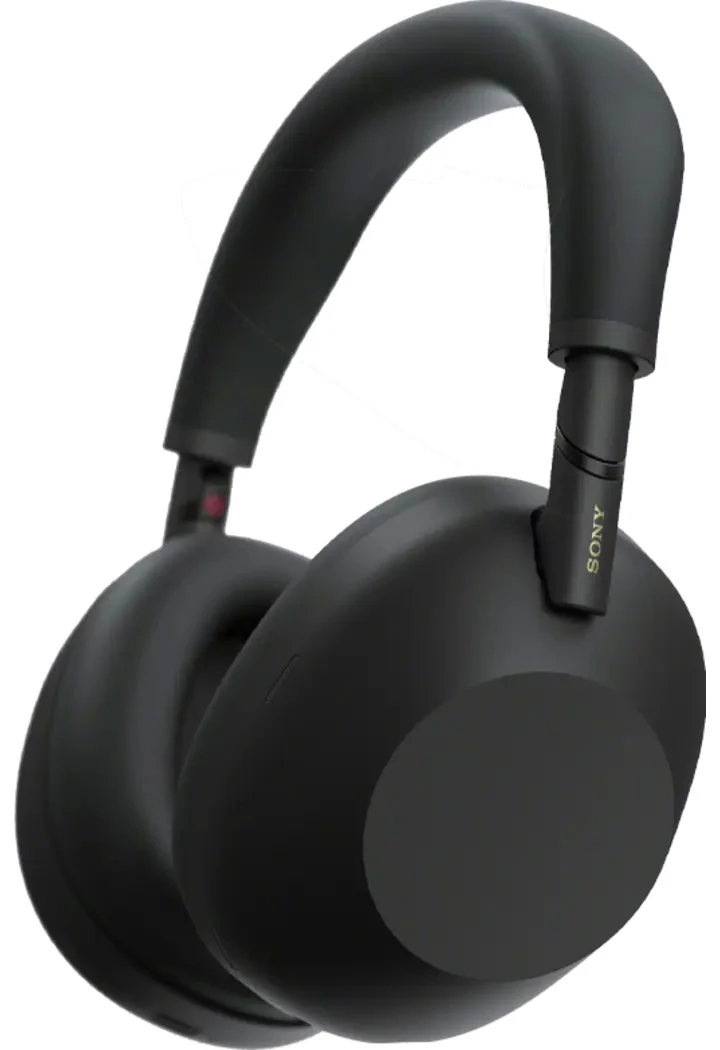
Sony WH-1000XM6 Wireless Noise Cancelling Headphones — £398
Best for: Frequent fliers, commuters, and anyone who needs silence more than style. The WH-1000XM6 delivers 30-hour battery life, active noise cancellation that works at all frequencies (from jet engine roar to office chatter), and multipoint Bluetooth so you can seamlessly switch between two devices. They fold flat and weigh just 250g. The headband sits comfortably for 8+ hours without fatigue. Touch controls are intuitive, and the built-in microphone captures clear calls. This is the gold standard in its category—no other headphones under £500 come close to the noise isolation.
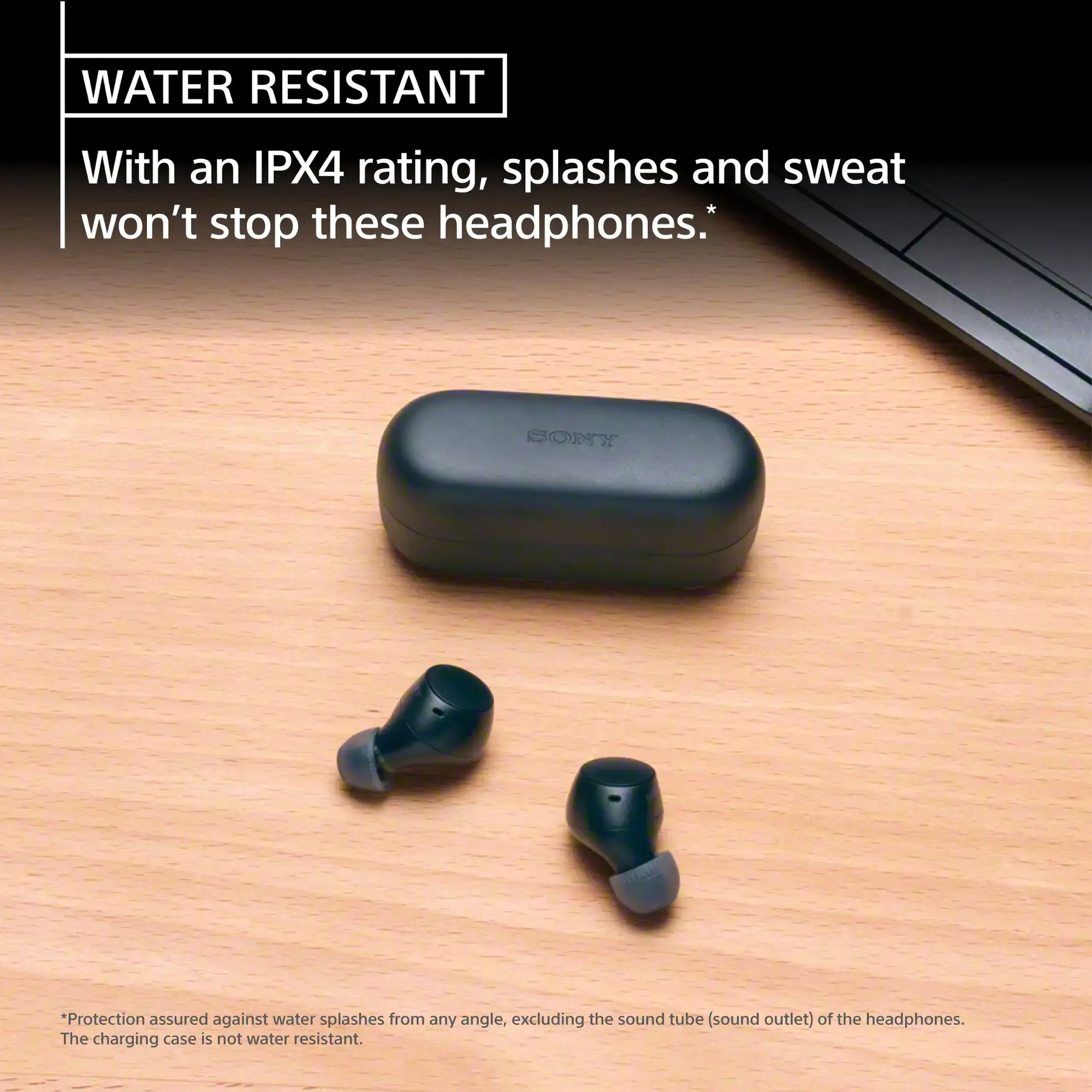
Sony Truly Wireless Earbuds (Black) — £37
Best for: Casual listeners and anyone on a strict budget who still wants recognisable Sony engineering. These deliver 8-hour battery life per charge (24 hours with case), IPX4 water resistance for light sweat and splash protection, and solid Bluetooth 5.3 stability. The 5.9g per-earbud weight makes them comfortable for extended wear. They lack active noise cancellation and premium sound tuning, but at £37, they offer genuine value—most competitors at this price deliver tinny, disconnected audio.
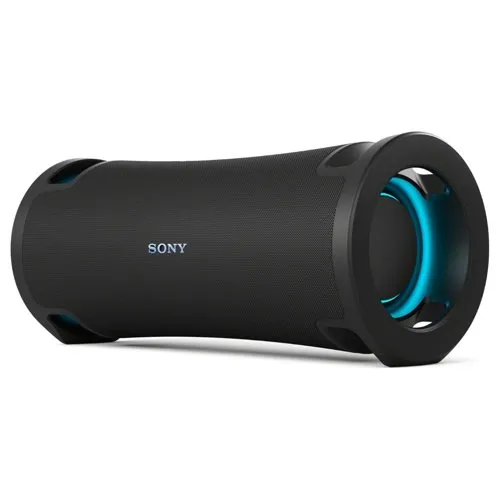
Sony Portable Bluetooth ULT Field 1 Speaker (SRS-ULT10) — £69.99
Best for: Garden parties, beach trips, and portable listening where you need volume without sacrificing portability. The SRS-ULT10 produces 14W peak output in a 600g package, offers up to 12-hour battery life, and features IPX7 waterproofing (survives full submersion in 1 metre of water for 30 minutes). The passive bass radiator delivers low-end punch without distortion. Bluetooth 5.3 range is solid at 20 metres open space. The carry strap and compact footprint (145 × 95 × 87mm) make it genuinely portable—unlike larger speakers that claim portability but weigh 1.5kg+.
Quick Comparison
| Product | Price | Best For | Standout Feature | |---------|-------|----------|------------------| | WH-1000XM6 | £398 | Noise isolation, extended wear | 30-hour battery, industry-leading active noise cancellation | | Truly Wireless Earbuds | £37 | Budget-conscious listeners | 24-hour total battery (8+16), IPX4 water resistance | | SRS-ULT10 Speaker | £69.99 | Portable outdoor use | 12-hour battery, IPX7 waterproofing, 14W output |
What to Look For
- Noise cancellation quality: Sony's active noise cancellation samples ambient sound 48,000 times per second, which is significantly more frequent than competitors' 16,000–32,000Hz. Higher sampling rates eliminate a wider frequency range, especially low-frequency hum and engine noise.
- Battery endurance: The WH-1000XM6 offers 30 hours of playback—roughly 6 hours more than comparable rivals like Bose QC45 or Sennheiser Momentum 4 at the same price point. For portables, the SRS-ULT10's 12-hour battery beats most 10W speakers by 3–4 hours.
- Bluetooth stability: All three products use Bluetooth 5.3, which reduces latency to under 100ms for video and delivers reliable multi-device pairing. Older Bluetooth 5.2 headphones suffer occasional dropouts at distance; 5.3 fixes this.
- Durability coding: The SRS-ULT10's IPX7 rating (full submersion) is higher than most portable speakers at this price (most max out at IPX4 or IPX5). The truly wireless earbuds' IPX4 covers sweat and light rain but not immersion.
The Bottom Line
If you can stretch to £398, the WH-1000XM6 is the only headphone worth buying in its category—the noise cancellation is genuinely transformative, and 30-hour battery life justifies the investment for anyone spending 10+ hours weekly in noisy environments. For under £70, pair the SRS-ULT10 speaker (£69.99) with the Truly Wireless Earbuds (£37) to cover portable outdoor listening and budget commuting without sacrificing Sony's engineering standards.
Frequently Asked Questions
Are Sony headphones worth the money compared to cheaper brands?
Yes, but only if you need specific features. The WH-1000XM6's active noise cancellation samples 48,000 times per second versus competitors' 16,000–32,000Hz—this 3x difference meaningfully reduces mid-range and low-frequency noise like traffic and jet engines. If you don't need noise cancellation, save money elsewhere. But if you commute on trains, fly regularly, or work in open offices, the WH-1000XM6 pays for itself in recovered focus and fatigue reduction within 6 months.
How long do Sony wireless earbuds actually last before the battery dies?
The Truly Wireless Earbuds deliver 8 hours per charge, with the case providing 16 additional hours—24 hours total. In real use (70% volume, continuous playback), expect closer to 6.5 hours per charge due to Bluetooth power draw. The WH-1000XM6 delivers the advertised 30 hours because over-ear headphones have more physical space for larger batteries; earbuds are always more battery-efficient per unit weight.
Is the Sony SRS-ULT10 speaker waterproof for swimming?
The SRS-ULT10 has an IPX7 rating, meaning it survives full submersion in 1 metre of water for 30 minutes—but it's not designed for active swimming or saltwater. If you're jumping between pool loungers or using it poolside with occasional splashes, it's fine. Don't intentionally submerge it in a bathtub or ocean, as prolonged exposure can damage internal components over time.
What's the real difference between the WH-1000XM6 and cheaper Sony headphones?
The WH-1000XM6 uses Sony's proprietary Noise Cancelling Processor (a dedicated chip that samples audio 48,000 times per second) and includes Multipoint Bluetooth for seamless device switching. Cheaper Sony headphones (like the Truly Wireless Earbuds) use standard Bluetooth chips without dedicated noise-processing silicon. That means WH-1000XM6 noise cancellation works across all frequencies simultaneously; budget models achieve 70–80% isolation at best. If you spend £398, you're paying for that silicon—and it genuinely works.