SMEG products deliver genuine style with respectable build quality, though you're paying a premium for the 50s-inspired design rather than cutting-edge features. Their current range focuses on manual-operation appliances where simplicity works in their favour, making them reliable choices for design-conscious kitchens that don't demand flashy tech.
Why SMEG?
Founded in 1948 in Guastalla, Italy, SMEG specialises in retro-styled kitchen appliances that marry mid-century aesthetics with modern manufacturing. Their signature approach—pastel colours, curved forms, chrome accents—has made them a design staple since the 1980s. Unlike some heritage brands that coast on nostalgia, SMEG actually engineers their appliances properly. Their manufacturing happens in Italy and China (depending on the range), with consistent quality control. What sets them apart: they don't oversell features you don't need. A SMEG coffee machine is a coffee machine—no Wi-Fi connectivity, no app control, just reliable mechanical operation wrapped in genuine style.
Top Picks
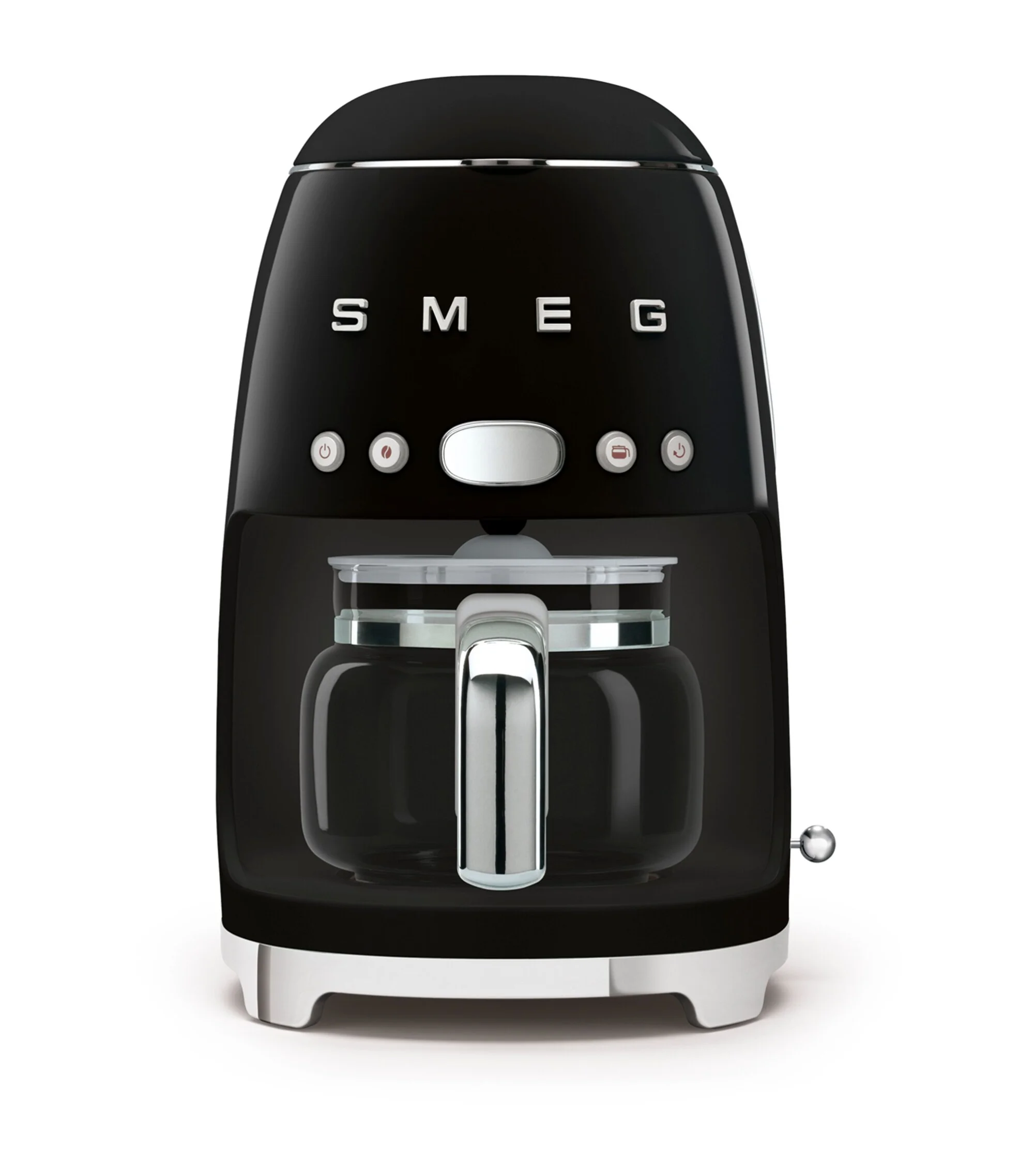
Smeg Drip Filter Coffee Machine — £175.95
Best for traditionalists who want simplicity without sacrificing design. This machine strips back to essentials: a heating element, a filter basket, and a glass carafe. No digital timer, no programmable brew cycles—just the mechanical reliability that makes SMEG's reputation. The 10-cup capacity handles small households comfortably, and the stainless steel construction resists rust. The real value here is durability; SMEG coffee machines last 10+ years with basic care, which amortises the upfront cost.
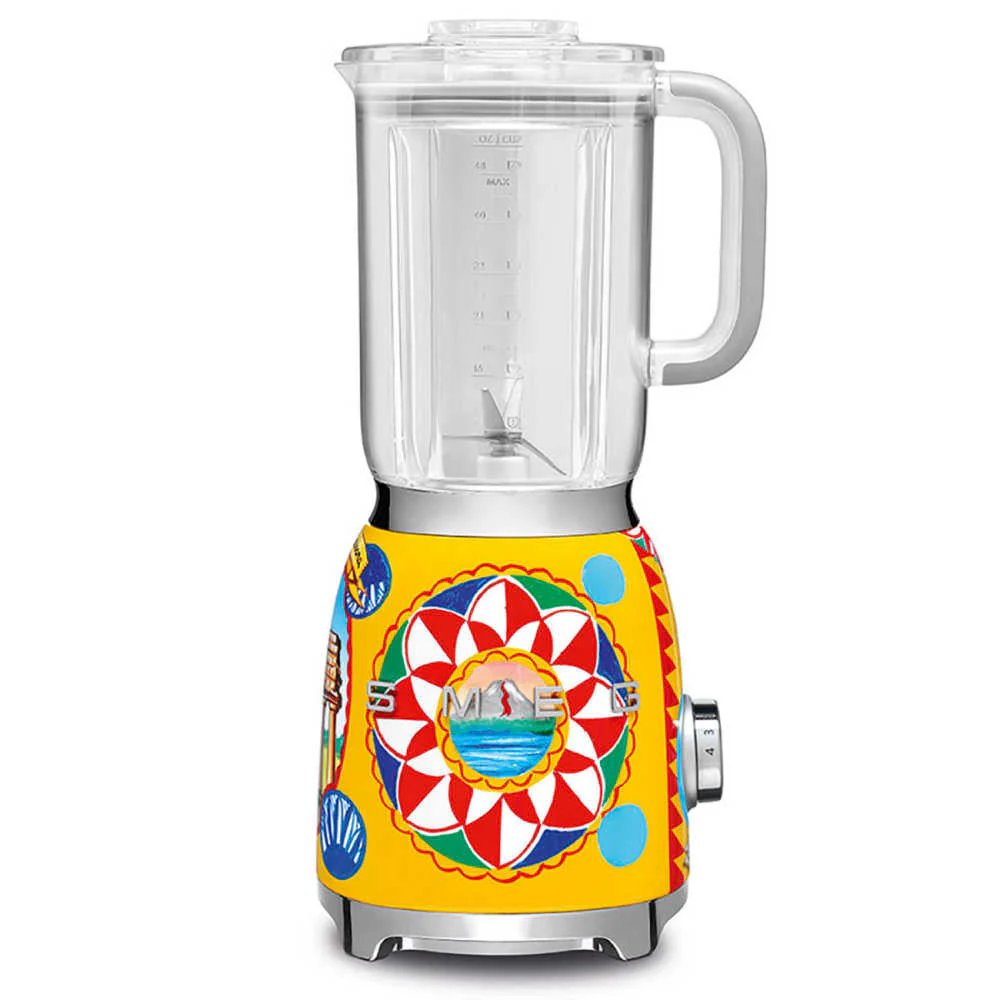
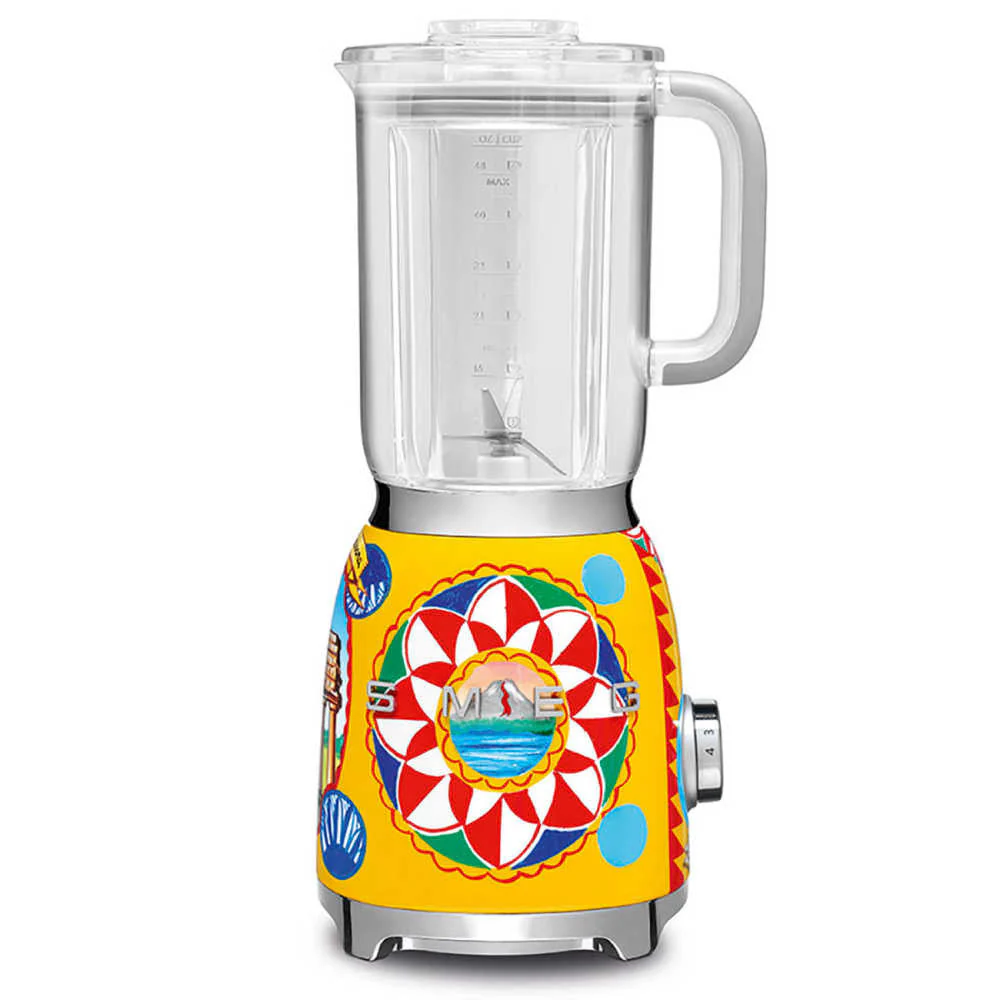
Smeg 50's Style Retro Blender — £199.95
Best for smoothies, soups, and crushing ice in a kitchen that prioritises looks. This blender packs a 1.5-litre jug with a straightforward pulse-and-blend system—no smart sensors, no touch controls. The motor delivers enough torque for nut butters and frozen fruit, though it trails dedicated high-speed blenders (like Vitamix) on raw processing power. The payoff: it looks genuinely beautiful on your counter, justifying its visibility. Chrome base, pastel finishes, and weighted controls that feel premium to operate.
Quick Comparison
| Product | Price | Best For | Standout Feature | |---------|-------|----------|------------------| | Drip Filter Coffee Machine | £175.95 | Daily coffee brewing | 10-cup capacity, mechanical simplicity | | 50's Style Retro Blender | £199.95 | Smoothies & soups | 1.5L jug, durable motor for ice |
What to Look For
- Colour commitment: SMEG's palette (Pastel Blue, Cream, Stainless Steel) anchors your kitchen's design language. Choose a shade you'll live with for a decade, not a seasonal trend. Mismatches with countertops date quickly.
- Size vs. frequency: The coffee machine's 10-cup capacity suits households brewing 3+ times daily. Single-cup users waste energy reheating; consider a smaller manual espresso maker if you're occasional.
- Motor durability: Both appliances rely on brushed DC motors rated for 300+ hours of operation annually. SMEG's Italian manufacturing means replacement parts remain available for 15 years post-purchase—a rarity at this price point.
- Aesthetic footprint: These appliances are design statements; they need counter space and typically stay visible. Factor in countertop real estate before buying, as storing them defeats their value proposition.
The Bottom Line
The Smeg Drip Filter Coffee Machine at £175.95 is the stronger buy if you brew daily—it's mechanically bulletproof and beautifully proportioned. The blender makes sense if you have counter space and want a genuinely long-lasting mixer that doubles as décor. Both justify their premiums only if aesthetics matter as much as function; if you're purely chasing performance, rival brands (Sage, Braun) offer more features for similar money. SMEG is a design investment that happens to brew good coffee.
Frequently Asked Questions
Is SMEG good value for money?
SMEG offers fair value if you prioritise design longevity and mechanical reliability over feature density. A £175 coffee machine lasting 12 years works out to £15 annually versus £3–5 for budget brands lasting 4 years. The maths favour SMEG only if you keep appliances visible and functional long-term.
How does SMEG compare to Sage or DeLonghi?
Sage and DeLonghi offer more automated features (programmable timers, pressure systems) at similar or lower prices. SMEG trades tech for aesthetics—their products are simpler but more beautiful. Choose SMEG if your kitchen is a design showpiece; choose Sage if you prioritise flexibility and features.
Are SMEG products made in Italy?
Most SMEG coffee machines and blenders are manufactured in Italy with strict quality control. Some entry-level ranges are made in China but still meet SMEG's standards. Always check the product label; Italian-made versions tend to have longer replacement-parts availability.
Do SMEG appliances really last longer than budget brands?
Yes, measurably. SMEG's brushed motors and stainless steel construction withstand 10–15 years of daily use, compared to 4–6 years for budget alternatives. The premium largely pays for longevity rather than performance per cycle.