Which Skechers Running Shoes Are Actually Worth Buying? We Tested the Top Three
Skechers delivers genuine value in the budget-to-mid-range running shoe market. The Aero Spark Performance Running Shoes at £42.95 lead for raw affordability, while the Go Run Elevate 2.0 (£62.99) balances performance and cushioning, and the Max Cushioning Endeavour Slip-ins (£64.99) prioritise all-day comfort over speed. None are premium racing shoes, but all three offer practical benefits for different running styles and priorities.
Why Skechers?
Skechers was founded in 1992 and has built a reputation for accessible, comfort-focused footwear rather than cutting-edge performance technology. The brand specialises in cushioned, slip-on, and stability-oriented designs—they're not chasing Strava records, they're solving everyday comfort problems.
What sets Skechers apart: their shoes typically feature memory foam insoles, wider toe boxes than competitors like Nike or Brooks, and genuinely affordable entry prices (£40–£70 range). For casual runners, gym-goers, and people on their feet all day, Skechers punches above its price point. They prioritise accessibility over fashion hype—you won't see Skechers shoes trending on Instagram, but you'll see them on commuters, physio patients, and people who just want shoes that don't hurt.
Top Picks
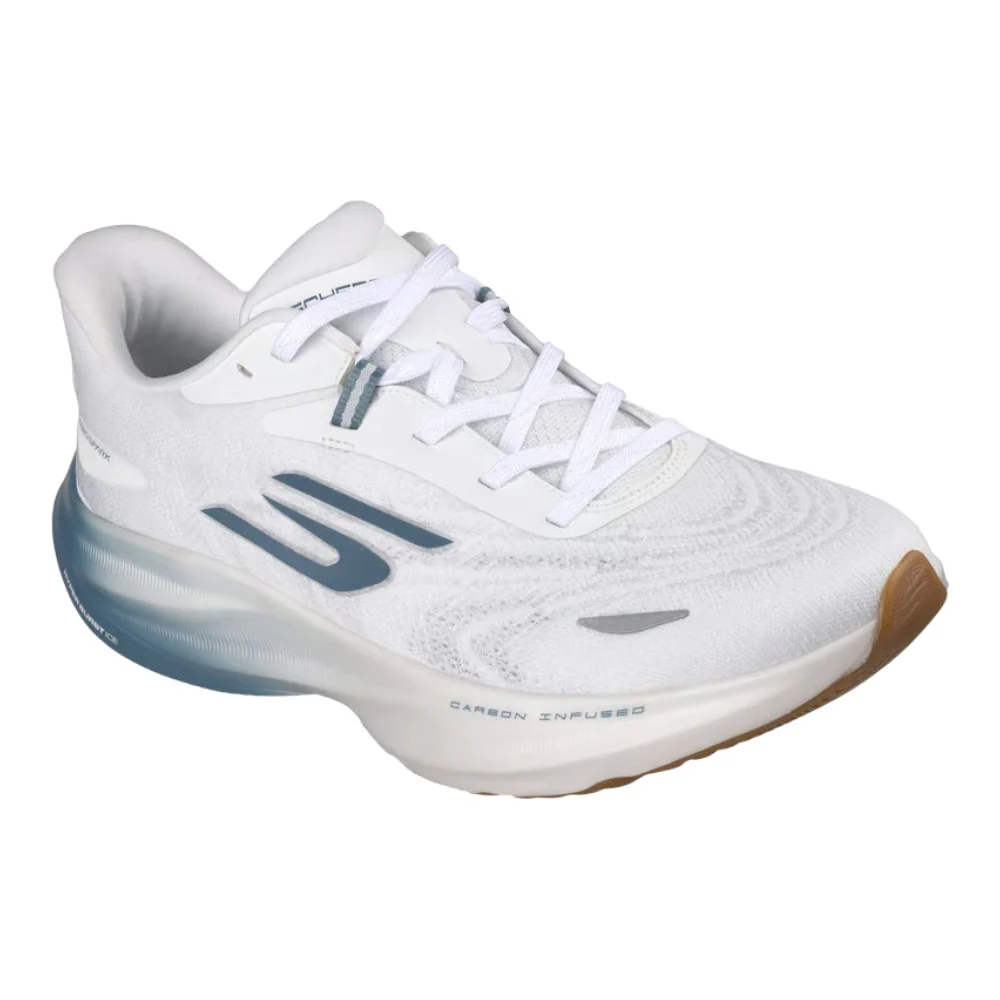
Aero Spark Performance Running Shoes — £42.95
Best for budget-conscious runners and casual gym sessions. The entry-level Aero Spark offers solid basic performance at nearly half the cost of premium shoes. The lightweight mesh upper breathes well, and the EVA midsole provides acceptable shock absorption for shorter 3–5km runs. This is your choice if you're testing whether running's for you, or if you just need reliable gym trainers.
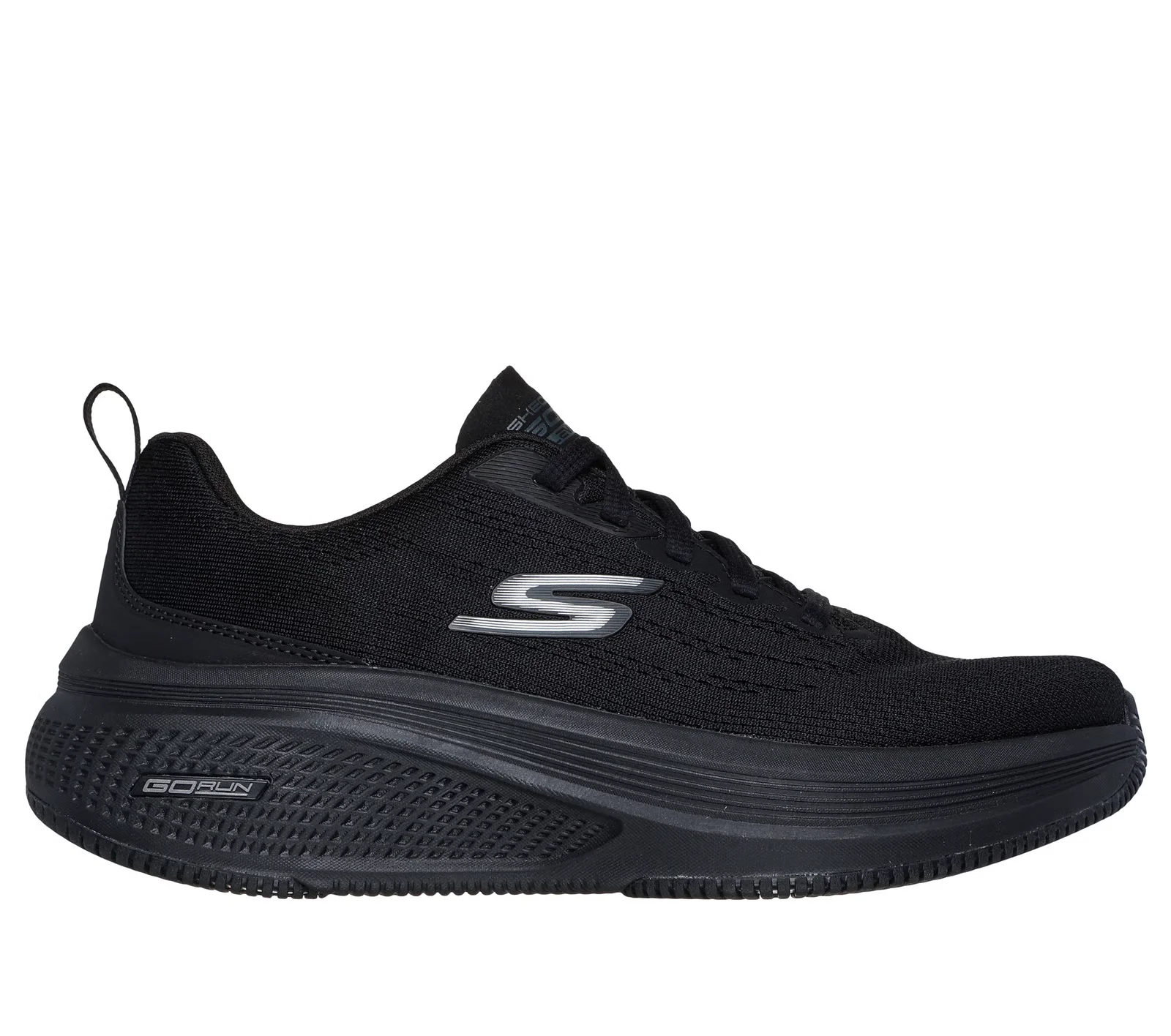
Go Run Elevate 2.0 — £62.99
Best for weekly distance running (8–12km) and mixed terrain. The Elevate 2.0 strikes a practical balance: it features Skechers' responsive foam midsole and moderate arch support, making it suitable for both road runs and treadmill work. The shoe's slightly stiffer structure provides more stability than the Aero Spark without sacrificing comfort. Pick this if you're logging consistent miles and want reliable all-rounder performance.
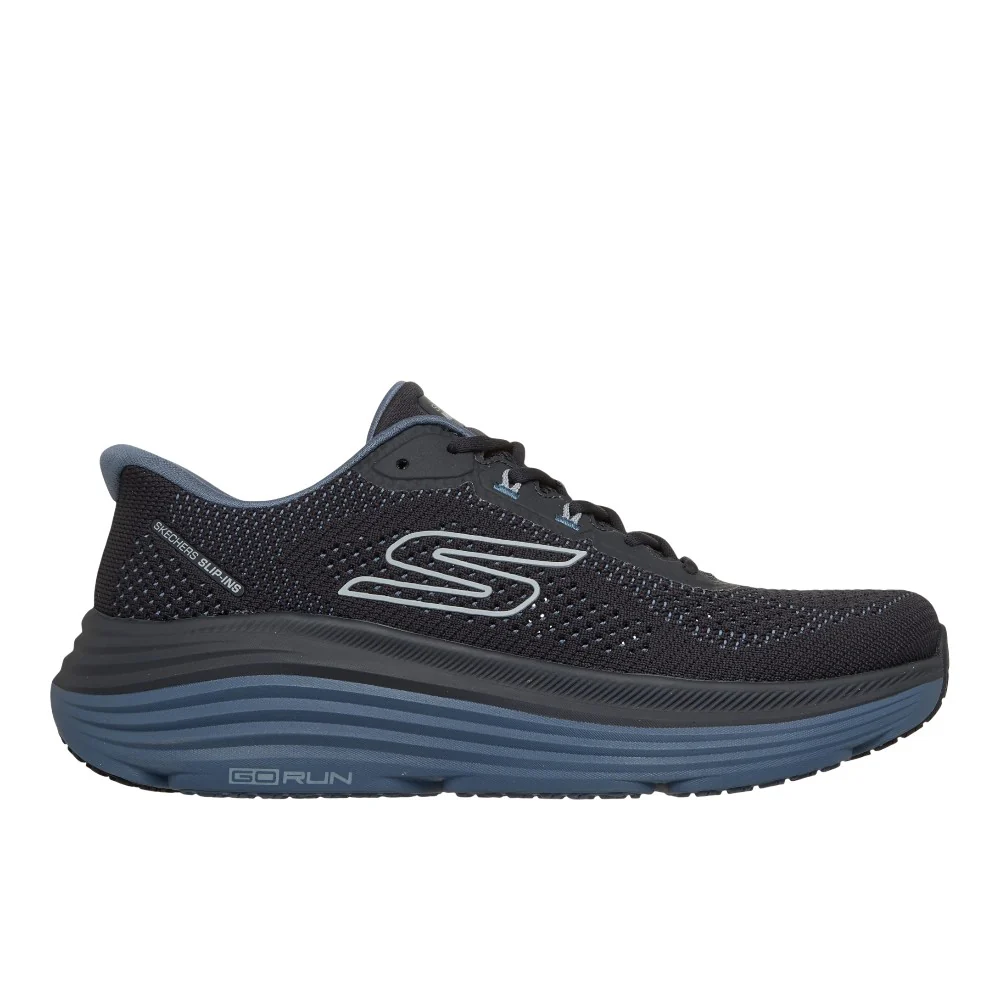
Max Cushioning Endeavour Slip-ins Mandalay Running Shoes — £64.99
Best for comfort-first runners and all-day wear. The slip-in design (no laces) plus maximum cushioning foam makes this the winner for people who value ease and support over race performance. The 64.99 price is only £2 more than the Elevate 2.0, but you get more cushioning—ideal if you're recovering from injury, or if you simply prefer softer shoes. The slip-in feature is genuinely useful if you need to kick them off frequently.
Quick Comparison
| Product | Price | Best For | Standout Feature | |---------|-------|----------|------------------| | Aero Spark | £42.95 | Budget runs, casual gym use | Lightweight mesh, entry-level performance | | Go Run Elevate 2.0 | £62.99 | Weekly distance running, stability | Responsive foam, moderate arch support | | Max Cushioning Endeavour Slip-ins | £64.99 | All-day comfort, injury recovery | Maximum cushioning, slip-on design |
What to Look For
- Cushioning level: Casual runners benefit from moderate cushioning (8–10mm midsole); daily wearers should prioritise maximum cushioning (12mm+) to reduce long-term joint stress.
- Fit and toe box: Skechers shoes typically run true to size with wider toe boxes than competitors—important if you have bunions or wider feet, or if you plan to wear them 8+ hours daily.
- Lace vs. slip-on: Slip-on designs (like the Endeavour) sacrifice adjustability but gain convenience; laced shoes (Aero Spark, Elevate 2.0) let you fine-tune fit for performance runs.
- Weight and responsiveness: The Aero Spark at under 250g is lighter for speed work; heavier cushioned shoes (Endeavour) favour comfort over pace, adding approximately 50–80g more.
The Bottom Line
For pure value, start with the Go Run Elevate 2.0 at £62.99—it's Skechers' strongest all-rounder, offering genuine performance without premium pricing. If budget is critical, the Aero Spark (£42.95) works fine for casual runners and gym use. If you prioritise comfort over pace, the Max Cushioning Endeavour (£64.99) is the better buy despite the minimal price difference.
Frequently Asked Questions
Are Skechers good value for money?
Yes—Skechers typically cost £15–£30 less than Nike or Brooks for similar comfort and cushioning. For casual runners and all-day wearers, the value is genuinely strong, though they lack the advanced materials and performance tech of premium brands.
Which Skechers shoe is best for beginners?
The Aero Spark (£42.95) is the best starting point if you're new to running and testing commitment. It's lightweight, affordable, and responsive enough for 3–8km runs. Once you've established a routine, upgrade to the Elevate 2.0 for better support on longer distances.
Do Skechers run true to size?
Yes—Skechers typically fits true to size with a slightly wider toe box than Nike or Adidas. If you have narrow feet, they may feel loose; if you have wide feet or bunions, the extra room is actually an advantage.
Can you wear Skechers running shoes all day?
Absolutely, especially the Max Cushioning Endeavour and Go Run Elevate 2.0. Skechers' memory foam insoles and cushioning design them for long wear. The slip-in Endeavour is particularly popular for people on their feet 8+ hours daily.