Which Panasonic Microwave Should You Buy? A Guide to Their Sensor and Inverter Models
Panasonic's microwave lineup balances affordability with precision cooking technology. If you want reliable reheating and defrosting, the Genius Sensor 1.3 Cu. Ft. at £244.99 is excellent value. If you cook regularly and need even heat distribution for delicate foods, the Inverter Technology models (£294.99–£479.99) justify their premium through measurably better performance.
Why Panasonic?
Panasonic has manufactured kitchen appliances since 1918, with a particular focus on microwave innovation since the 1960s. They pioneered Inverter Technology — a cooking method that delivers consistent, variable power rather than cycling full power on and off. This prevents overheating and uneven cooking, particularly important for defrosting and reheating seafood, dairy, and vegetables.
Their Genius Sensor system adjusts cooking time and power automatically by detecting moisture levels in food, eliminating guesswork. Panasonic competes on reliability and precision rather than trendy features, making their products workhorses rather than lifestyle statements.
Top Picks
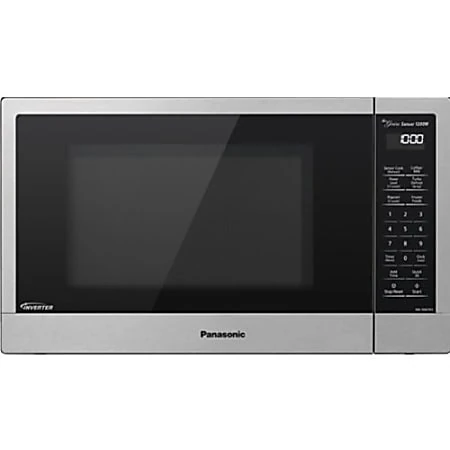
Panasonic Genius Sensor 1.3 Cu. Ft. 1100W Countertop Microwave — £244.99
Best for: Budget-conscious buyers and small kitchens. This entry-level model features Genius Sensor technology for automatic cooking adjustments and 1100W power. At 1.3 cubic feet, it fits tight spaces without sacrificing usable capacity. No Inverter Technology here, but the Sensor system handles everyday reheating reliably.
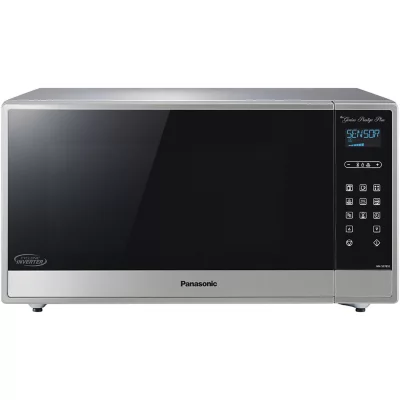
Panasonic 1.2 Cu. Ft. 1200W Genius Sensor Countertop/Built-In Microwave with Inverter Technology — £294.99
Best for: Regular home cooks who want precision heating without a large footprint. This model combines Genius Sensor and Inverter Technology in a compact 1.2 cubic foot cavity. The 1200W output edges above the entry model, and the built-in/countertop versatility means you can install it flush into cabinetry if needed. This is the sweet spot for value-to-performance ratio.
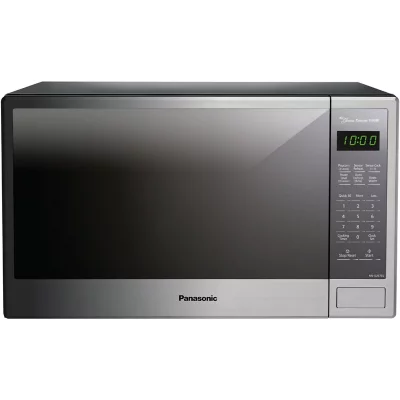
Panasonic 1.6 Cu. Ft. Cyclonic Wave Built-In/Countertop Microwave with Inverter Technology — £479.99
Best for: Serious cooks and large households. The 1.6 cubic foot cavity accommodates full-sized dinner plates and larger casserole dishes. Cyclonic Wave technology distributes heat across three points instead of one central rotating turntable, reducing hot spots. Inverter Technology ensures defrosting and reheating are precise. Fingerprint-proof stainless steel resists smudges. This is Panasonic's flagship model for kitchens where the microwave handles demanding tasks daily.
Quick Comparison
| Model | Price | Best For | Standout Feature | |-------|-------|----------|------------------| | Genius Sensor 1.3 Cu. Ft. 1100W | £244.99 | Small spaces, basic reheating | Affordable Sensor technology | | Genius Sensor 1.2 Cu. Ft. 1200W + Inverter | £294.99 | Home cooks, compact kitchens | Best value with Inverter Technology | | Cyclonic Wave 1.6 Cu. Ft. + Inverter | £479.99 | Large households, precision cooking | Largest capacity, three-point heating |
What to Look For
- Inverter Technology vs. standard cycling: Standard microwaves pulse full power on/off; Inverter models deliver variable, continuous power. If you frequently defrost or cook delicate foods (fish, cream sauces), Inverter is worth the extra £50–£235. Standard Sensor models are adequate for reheating leftovers.
- Capacity in cubic feet: 1.2–1.3 Cu. Ft. suits individuals or couples; 1.6 Cu. Ft. fits family meals and large takeaway containers. Measure your usual plates and dishes against your kitchen's counter space before choosing.
- Power output (watts): 1100W vs. 1200W makes minimal practical difference; both heat food adequately. Focus on whether you need Inverter or Sensor technology instead.
- Built-in vs. countertop: All three models work as countertop units. Only the 1.2 and 1.6 Cu. Ft. models support built-in installation, useful if you're integrating into fitted cabinetry.
The Bottom Line
Buy the Panasonic 1.2 Cu. Ft. Genius Sensor Inverter Microwave at £294.99 unless you have specific constraints. It delivers Inverter precision at near-entry-level pricing, offers countertop and built-in flexibility, and covers 90% of household cooking tasks. Choose the 1.3 Cu. Ft. at £244.99 only if budget is your absolute priority; upgrade to the 1.6 Cu. Ft. at £479.99 only if you cook for 4+ people regularly or need maximum defrosting capacity.
Frequently Asked Questions
Is Panasonic good value for money?
Yes. Panasonic's microwaves cost 15–25% less than premium brands (Miele, Bosch) while delivering comparable Sensor and Inverter technology. You sacrifice design finesse and smart features but gain reliability and precise cooking. For countertop microwaves, Panasonic punches above its price point.
What's the difference between Inverter and regular microwave technology?
Regular microwaves cycle high power on and off to reach a target temperature, creating uneven heating. Inverter Technology delivers variable, continuous power that adjusts throughout cooking, preventing overheating and hot spots. This is especially noticeable when defrosting: regular microwaves thaw edges while centres stay frozen; Inverter models thaw evenly. The difference costs £50–£235 extra but matters if you defrost or cook delicate foods regularly.
Can Panasonic microwaves be built into cabinetry?
Only the 1.2 and 1.6 Cu. Ft. models support built-in installation. They require a trim kit (usually sold separately) and professional installation into a cabinet cavity. The 1.3 Cu. Ft. entry model is countertop-only. If built-in capability matters, choose the 1.2 Cu. Ft. model (£294.99) as the most affordable option.
How long do Panasonic microwaves typically last?
Panasonic microwaves typically last 9–12 years with normal use (once-daily cooking). The Inverter Technology models may edge toward the longer end due to fewer power cycling stress cycles. All three models carry standard manufacturer warranties; check specific coverage when purchasing.