KitchenAid appliances command premium prices, but they're backed by decades of engineering excellence and warranty support that justifies the investment for serious home cooks. The brand's current range spans from high-powered blenders (£279.90) to commercial-style dual fuel ranges (£8,099.99), each built for longevity rather than disposability.
Why KitchenAid?
Founded in 1919, KitchenAid built its reputation on stand mixers, but has since expanded into a full appliance ecosystem. What separates them: proprietary heating technologies (their Hyper Elements and Even-Heat™ convection systems), commercial-grade construction in home products, and a 1–3 year warranty depending on the product. They specialise in mixing, blending, and cooking—not laundry or refrigeration. Their products skew toward mid-to-premium pricing (£280–£8,100), targeting home cooks who treat appliances as long-term investments, not replaceable commodities.
Top Picks
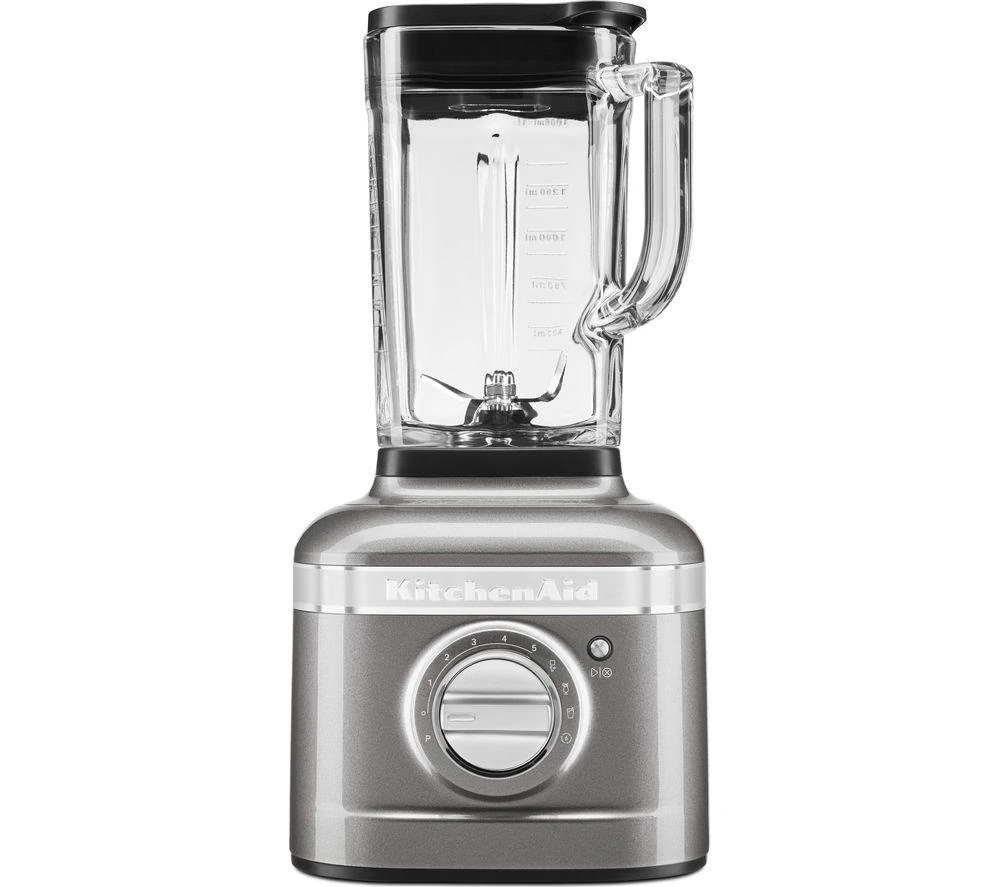
KitchenAid Artisan Medallion Silver K400 Blender — £279.90
Best for smoothies, soups, and nut butters on a mid-range budget. The K400 delivers 3.5 horsepower and a 1.4-litre jug, enough for daily use without the £400+ price tag of flagship models. Variable speed control and a 5-year warranty make it a reliable workhorse for small households.
KitchenAid KSES530SJP 5.3 Cu. Ft. Smart Slide-In Electric Range — £1,874.99
Best for compact kitchens needing smart home integration. This 30-inch electric range fits into smaller spaces with its slide-in design, while dual Hyper Elements deliver precision heating on the cooktop. Smart connectivity lets you monitor temperature remotely; convection cooking modes ensure even browning on baked goods.
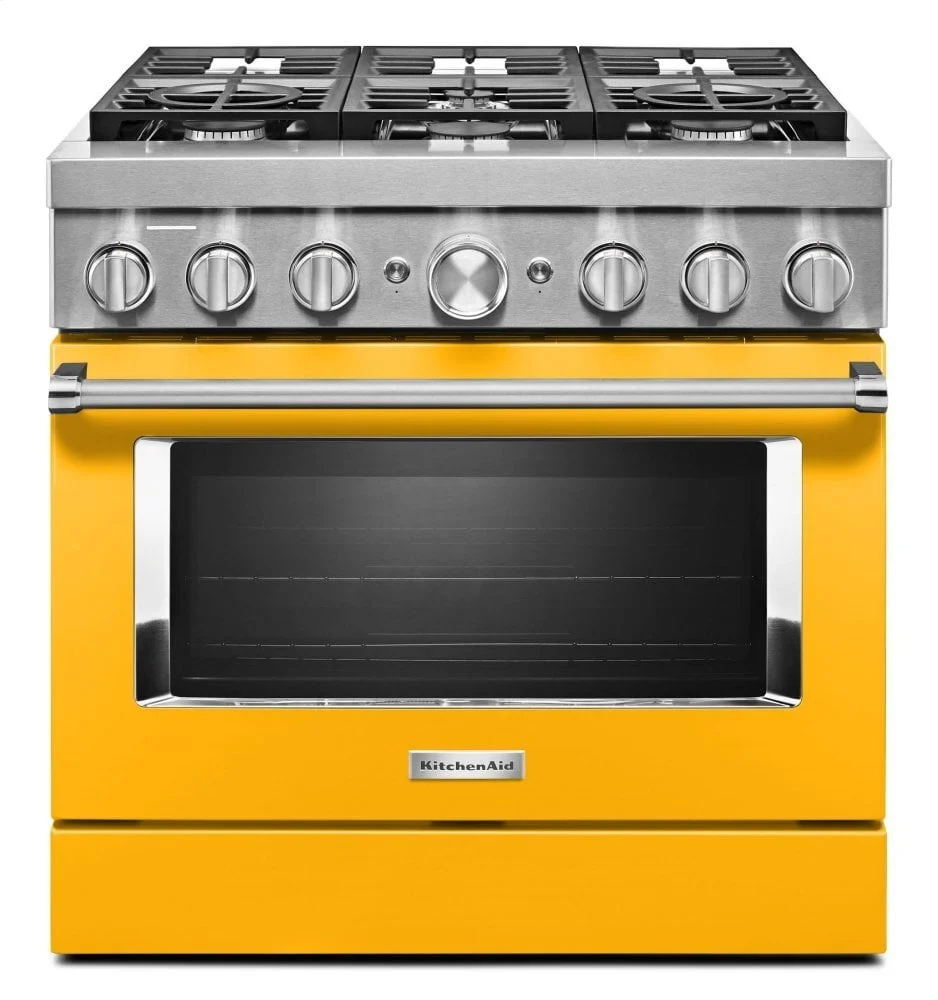
KitchenAid KFDC506JYP 36'' Smart Commercial-Style Dual Fuel Range — £8,099.99
Best for serious home cooks with large kitchens and a serious budget. Six burners (two of which are 18,000 BTU powerhouses) combined with a full-sized electric convection oven create a semi-professional cooking environment. Dual fuel means you get gas-top precision with electric-oven evenness. This is an investment piece that typically retains resale value.
Quick Comparison
| Product | Price | Best For | Standout Feature | |---------|-------|----------|------------------| | Artisan K400 Blender | £279.90 | Daily blending, smoothies | 3.5 HP motor, 5-year warranty | | KSES530SJP Electric Range | £1,874.99 | Compact kitchens, smart homes | Slide-in design, Hyper Elements, remote monitoring | | KFDC506JYP Dual Fuel Range | £8,099.99 | Large kitchens, professional cooks | 6 burners, 18,000 BTU capacity, dual fuel |
What to Look For
- Power and capacity matter: The K400's 3.5 HP handles daily tasks; the dual fuel range's 18,000 BTU burners suit serious searing. Match wattage/BTU to how often you cook and what you cook.
- Smart features aren't essential: The KSES530SJP's remote temperature monitoring is convenient, not crucial. Skip it if you don't have a smartphone or prefer traditional controls—you'll save £200+.
- Fuel type depends on your gas line: Dual fuel ranges (gas hob, electric oven) cost more but offer the best of both. Fully electric ranges are cheaper and easier to install if you lack gas infrastructure.
- Warranty length signals confidence: KitchenAid's 5-year blender warranty and 3-year range warranties are industry-standard for premium brands. Factor maintenance into long-term costs; parts and repairs are pricier than budget competitors.
The Bottom Line
The KitchenAid KSES530SJP at £1,874.99 offers the best balance of performance, smart features, and value for most home cooks. It's half the price of the commercial-style dual fuel range yet delivers reliable heating and space-saving design. Splurge on the dual fuel only if you have a large kitchen and cook daily; go for the blender if you want entry-level KitchenAid quality at under £300.
Frequently Asked Questions
Is KitchenAid better than other appliance brands?
KitchenAid excels in durability and warranty support, but costs more than Bosch or Whirlpool. If price is your main concern, other brands offer 80% of the performance at 60% of the cost; KitchenAid's premium justifies itself only if you use appliances daily for 10+ years.
Can I buy KitchenAid products from different retailers and mix warranty coverage?
Warranties are tied to individual products, not retailers. Buying from an authorised seller (John Lewis, Currys, Amazon) guarantees KitchenAid's standard warranty; third-party sellers may void coverage. Always check the seller's credentials before purchase.
Do KitchenAid ranges require professional installation?
Dual fuel ranges like the KFDC506JYP should be installed by a qualified engineer (£200–£400 labour). Electric-only ranges like the KSES530SJP are simpler but still benefit from professional fitting to ensure proper earthing and ventilation. DIY installation risks voiding your warranty.
Which KitchenAid blender should I buy if I'm on a tighter budget?
The Artisan K400 at £279.90 is KitchenAid's entry-level blender and handles everyday smoothies and soups reliably. If even that feels steep, consider Ninja or Vitamix's budget lines (£150–£200), though you'll sacrifice KitchenAid's 5-year warranty for a standard 2-year guarantee.