KitchenAid products cost more than mainstream alternatives, but they're built to last and engineered for serious cooking. Whether that premium is worth it depends entirely on your cooking habits and which appliance you're buying — their ranges offer real advantages over budget models, whilst their blenders are less compelling.
Why KitchenAid?
KitchenAid was founded in 1919 and built their reputation on the iconic KitchenAid stand mixer, a commercial-grade machine that became a household standard. They've since expanded into ranges, cooktops, and blenders, applying the same engineering philosophy: commercial-strength construction, precise temperature control, and materials designed to survive daily abuse. Unlike many appliance brands that outsource manufacturing, KitchenAid integrates design and production, which is why their higher-end ranges feel noticeably heavier and more rigid than competitors. Their focus is on durability over disposability — a KitchenAid range from 2010 is still cooking reliably today.
Top Picks
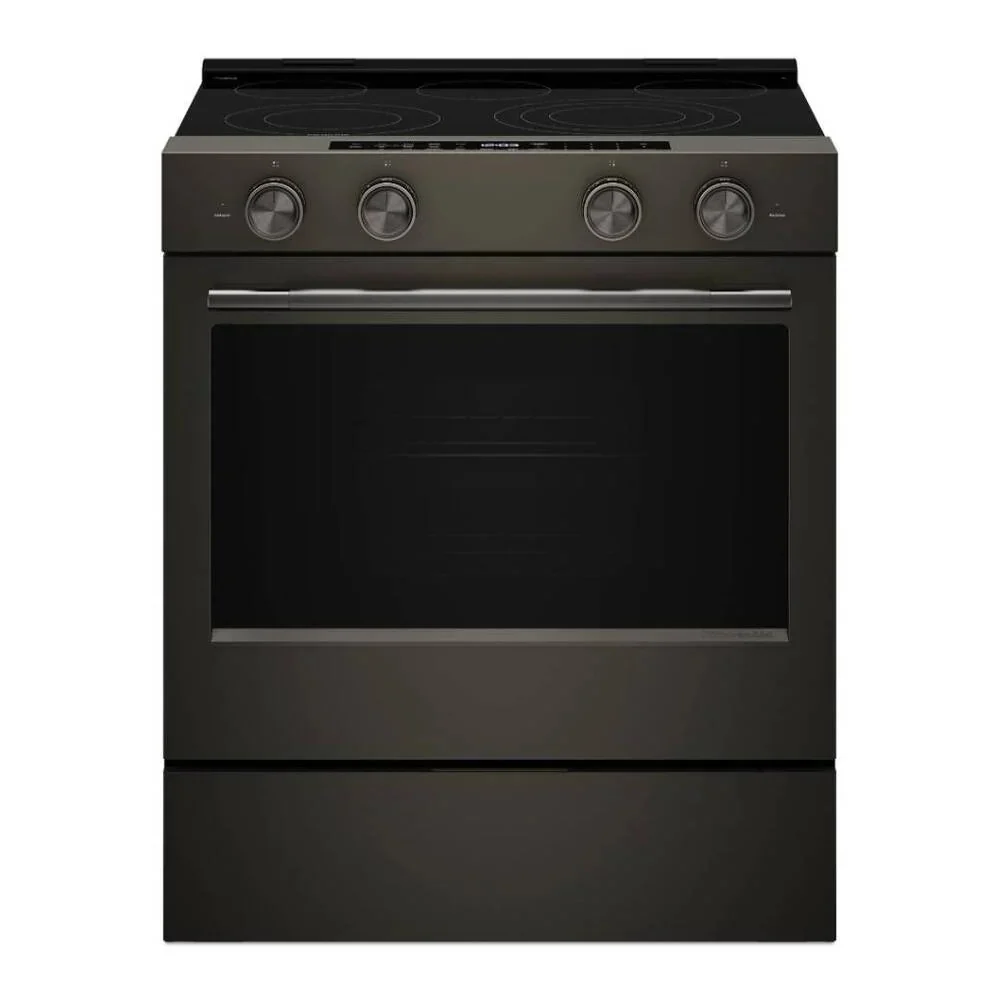
KitchenAid KSES530SBE Smart 30-Inch Slide-in Electric Range — £1,998.00
Best for: Home cooks who want precision convection without the gas maintenance. This 5.3 cu. ft. capacity electric range combines Even-Heat True Convection technology with two Hyper Elements that heat food 40% faster than standard coils. The slide-in design sits flush with your cabinetry, and the 10-inch touchscreen integrates with your smartphone for remote temperature monitoring. The convection modes are genuinely useful — air circulation ensures even roasting and baking without rotating trays halfway through.
KitchenAid KSES530SJP Smart Slide-in Electric Range — £1,874.99
Best for: Budget-conscious buyers who want the same range in stainless steel. Identical specifications to the SBE model (5.3 cu. ft., dual convection, Hyper Elements, smartphone control), but £124 cheaper. The only meaningful difference is the finish — this is stainless steel rather than black ore. If your kitchen doesn't require a specific colour scheme, this is the smarter buy.
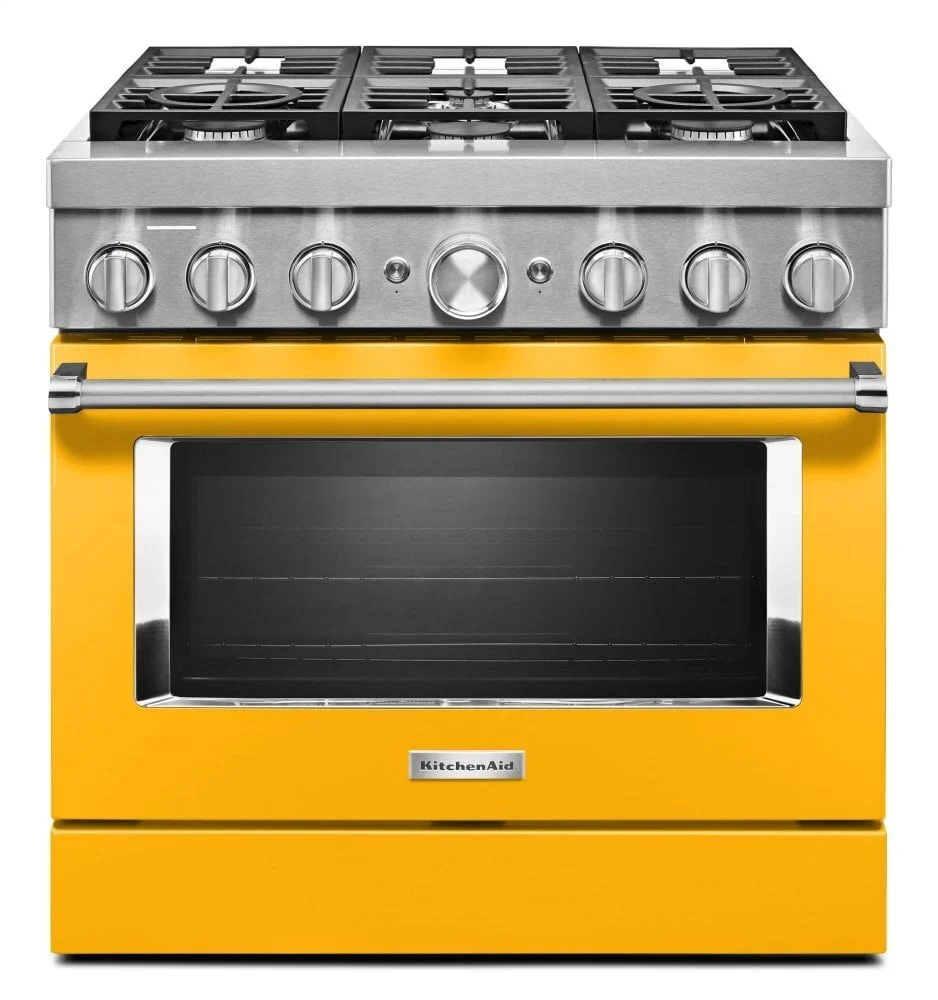
KitchenAid KFDC506JYP 36-Inch Smart Commercial-Style Dual Fuel Range — £8,099.99
Best for: Serious home cooks or anyone who needs both gas and electric precision. This is professional-grade equipment for your kitchen. Six commercial-style burners deliver 50,000 BTU total output, the electric convection oven has 5.8 cu. ft. capacity, and the cast-iron grates feel genuinely heavy. Dual fuel (gas burners + electric oven) is the sweet spot for cooking — you get instant flame control on the stovetop and the even-heat consistency of convection in the oven. This is overkill for casual cooking but indispensable if you cook daily and care about technique.
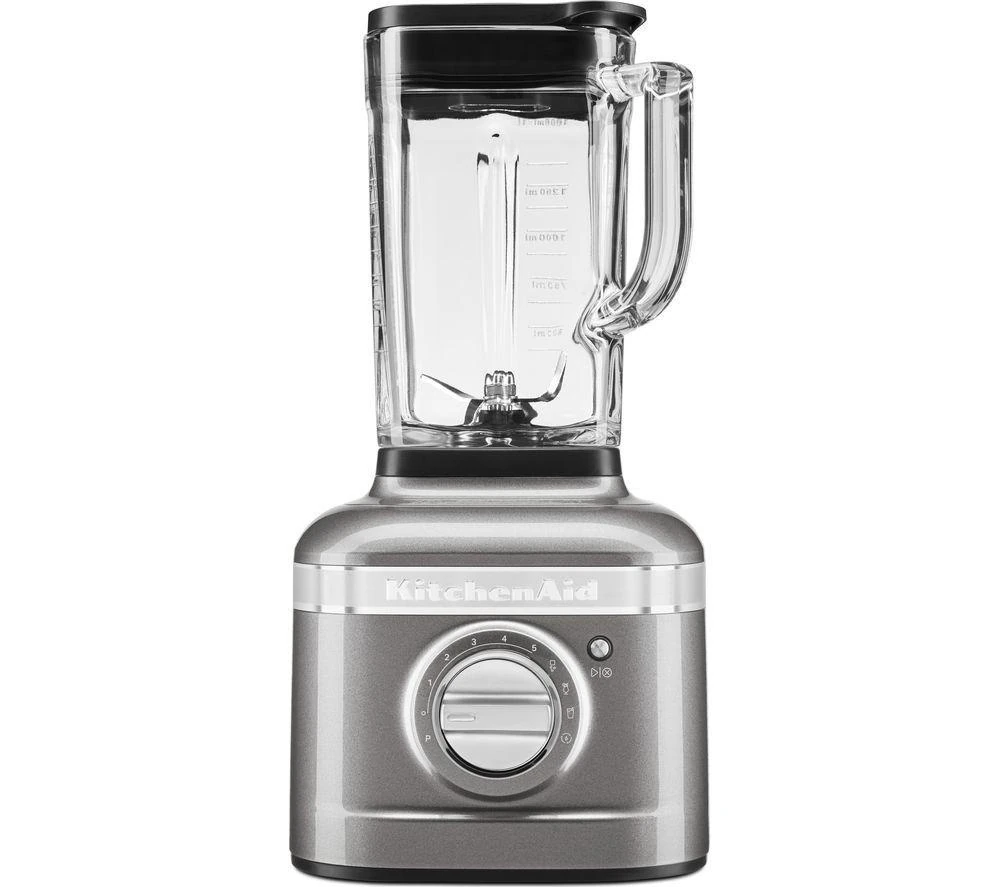
KitchenAid Artisan Medallion Silver K400 Blender — £279.90
Best for: Smoothies and frozen cocktails on a mid-premium budget. The K400 has a 1.4-litre pitcher and 1,500W motor strong enough for ice, but it's not dramatically more capable than £120 blenders from rivals. The variable speed dial is intuitive, and the stainless steel base is sturdy, but you're largely paying for the KitchenAid name. Useful if you blend daily, but not worth the upgrade if you already own a working blender.
Quick Comparison
| Product | Price | Best For | Standout Feature | |---------|-------|----------|------------------| | KSES530SJP | £1,874.99 | Budget electric cooking | Dual convection + Hyper Elements at lowest price | | KSES530SBE | £1,998.00 | Black ore kitchen aesthetic | Same specs as SJP in black finish | | KFDC506JYP | £8,099.99 | Serious home cooks | Dual fuel (gas + electric) with commercial burners | | Artisan K400 | £279.90 | Daily smoothie makers | 1,500W motor, intuitive controls |
What to Look For
- Oven capacity and cooking modes: The 5.3 cu. ft. electric ranges are adequate for most households; jump to the 5.8 cu. ft. dual-fuel model only if you roast whole poultry or bake bread regularly. Convection matters — it reduces cooking time by 20-30% and ensures even browning without rack rotation.
- Burner power for gas models: The KFDC506JYP's 50,000 BTU total output is professional-level; most home cooks never need more than 30,000 BTU. But if you use large pots or woks frequently, higher BTU is genuinely useful, not just marketing.
- Connectivity and smart features: All three ranges include smartphone integration, but it's genuinely helpful only if you're oven-blind (can't see inside mid-cook). The touchscreen interface matters more — the 10-inch KitchenAid screens are responsive and intuitive, unlike cheaper brands with laggy controls.
- Material quality and finish: KitchenAid ranges use cast-iron grates (which last decades) and stainless steel bodies that resist fingerprints better than painted steel. This durability justifies some of the premium, but only if you'll keep the appliance for 10+ years.
The Bottom Line
The KSES530SJP at £1,874.99 is the smartest buy — you're getting commercial-grade electric cooking with convection, smartphone control, and a trusted brand for roughly £400 less than comparable Miele ranges. The KFDC506JYP dual-fuel range (£8,099.99) is justified only if you cook seriously and want gas burner control plus precise oven convection; otherwise, it's overkill. Skip the K400 blender unless you blend daily — the premium over budget rivals doesn't translate to meaningfully better results.
Frequently Asked Questions
Is KitchenAid good value for money?
For ranges, yes — you're paying for durability (15-20 year lifespan vs. 8-10 years for budget brands), cast-iron components, and commercial-derived engineering. For the blender, no — it's competent but not worth a £130 premium over mid-range alternatives. The value depends on the appliance category.
What's the difference between the KSES530SJP and KSES530SBE?
They're mechanically identical. Both have 5.3 cu. ft. capacity, dual convection, Hyper Elements, and smartphone control. The only difference is finish: the SJP is stainless steel, the SBE is black ore (a dark charcoal colour). Choose based on your kitchen's aesthetic; the SJP is £124 cheaper.
Should I buy the dual-fuel range or the electric-only model?
Buy the electric model (KSES530SJP/SBE) unless you specifically need gas stovetop burners for wok cooking or rapid heating of large pots. Gas burners require annual maintenance, and the dual-fuel range (KFDC506JYP) costs £6,200 more. For most home cooks, convection electric ovens cook food as evenly as gas, with the added benefit of cleaner air (no combustion fumes).
Do KitchenAid ranges have good convection?
Yes — the Even-Heat True Convection system actively circulates air, reducing cooking time and ensuring even browning without rotation. Third-party reviews consistently rate KitchenAid convection ovens as better than GE and LG equivalents at the same price point, though slightly behind professional-grade brands like Wolf.