KitchenAid products command premium prices, but their engineering and warranty backing mean they often outlast cheaper alternatives. Whether you're investing in a £1,450 espresso machine or a £280 blender, the question isn't whether KitchenAid is expensive—it's whether the durability and performance justify the cost. For most home cooks and coffee enthusiasts, the answer is yes, particularly if you use the appliance daily.
Why KitchenAid?
KitchenAid was founded in 1919 and built its reputation on heavy-duty stand mixers for commercial kitchens before moving into home appliances. The brand specialises in creating kitchen equipment designed for intensity—their motors run cooler, their gearboxes last decades, and their product lifespans often exceed 15 years with proper maintenance. Unlike budget competitors that prioritise aesthetics, KitchenAid prioritises the mechanics you can't see: sealed bearings, commercial-grade motors, and precision-engineered heating elements. Most KitchenAid appliances come with 1–3 year warranties, and parts are widely available, making repairs feasible rather than replacement necessary.
Top Picks
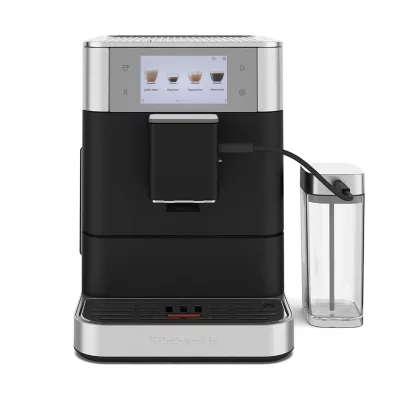
KitchenAid KF7 Pump/Automatic Espresso Machine (Cast Iron Black) — £1,449.95
Best for serious espresso drinkers who want consistency without the learning curve. This fully automatic machine grinds, tamps, and brews at the push of a button, delivering café-quality shots with 15-bar pressure and a dual boiler system that steams milk simultaneously. The cast iron body radiates heat stability, and the commercial-grade pump ensures temperature precision that cheaper machines struggle to maintain. If you're pulling 6+ espressos weekly, the £1,450 investment pays itself back in avoided café visits within 18 months.
KitchenAid KSES530SJP 5.3 cu. ft. Smart Slide-In Electric Range — £1,874.99
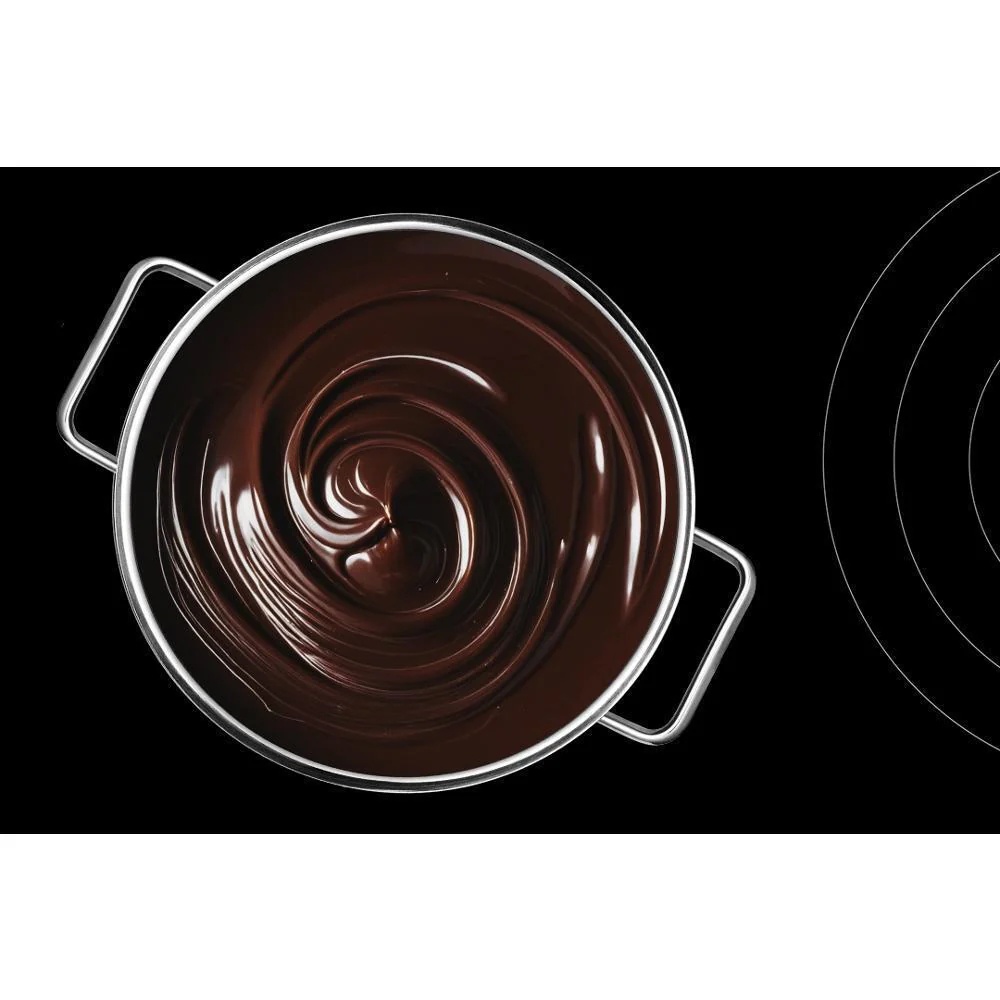
Best for kitchens with limited space that refuse to compromise on capacity. This slide-in electric range squeezes 5.3 cubic feet into a standard footprint, meaning you get the cooking volume of a larger freestanding model without the visual bulk. The dual Even-Heat Hyper Elements deliver precise temperature zones on the cooktop, whilst the convection cooking modes ensure even browning and faster roasting times. Smart connectivity allows remote preheating and progress monitoring—useful if you're entertaining and need to coordinate cooking with guests arriving.
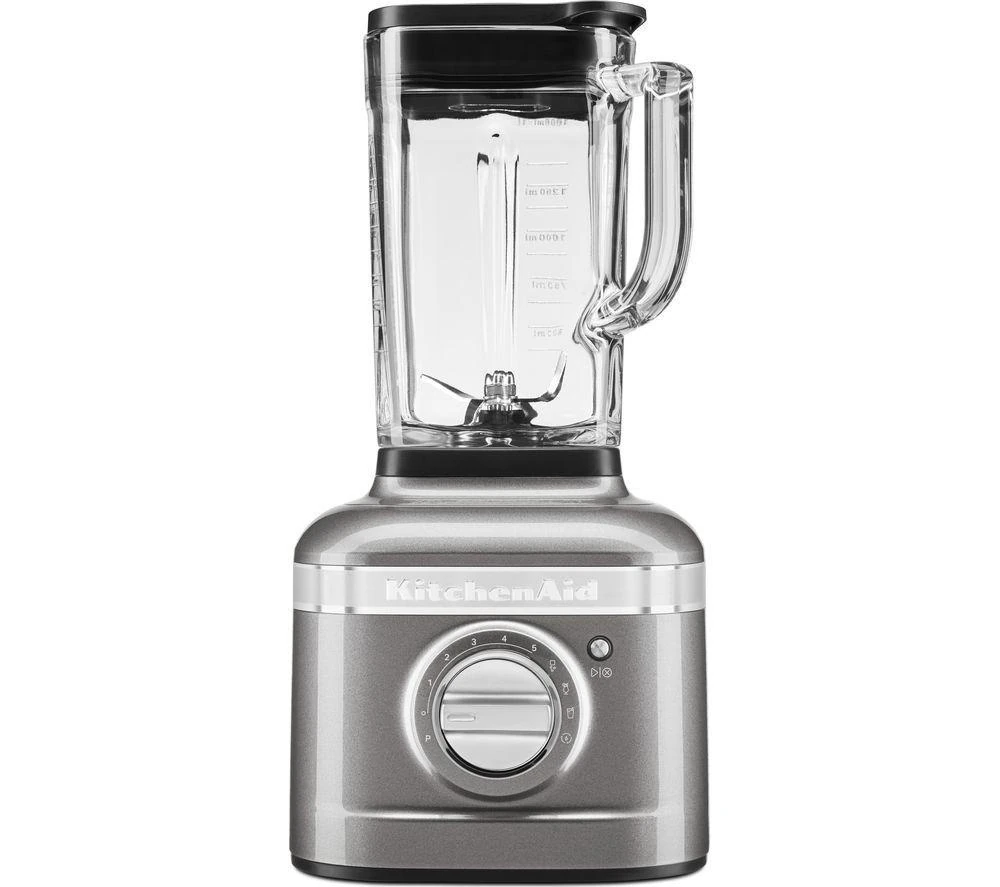
KitchenAid Artisan Medallion Silver K400 Blender — £279.90
Best for daily smoothies and soups that demand a quiet, reliable motor. The K400 uses KitchenAid's proven 1.5-horsepower motor (more than most domestic blenders) paired with a 1.9-litre jug, making it capable of blending frozen fruit into silky smoothies or heating soup through friction without strain. The motor runs significantly quieter than competitors at the same power level, and the stainless steel pitcher resists staining from beetroot or turmeric. At under £280, it's the entry point to the KitchenAid lineup—not cheap, but the motor will outlive three budget blenders.
Quick Comparison
| Product | Price | Best For | Standout Feature | |---------|-------|----------|------------------| | KF7 Espresso Machine | £1,449.95 | Daily espresso drinkers | Dual boiler system; automatic grind-and-brew | | KSES530SJP Range | £1,874.99 | Small kitchens needing capacity | 5.3 cu. ft. in compact footprint; smart connectivity | | Artisan K400 Blender | £279.90 | Smoothies and daily blending | 1.5 HP motor; whisper-quiet operation |
What to Look For
- Motor wattage and longevity: KitchenAid motors run at lower RPMs than competitors, generating less heat and lasting longer. The K400's 1.5 HP is overkill for fruit but essential if you're blending tough vegetables or heating soup through friction.
- Heating element design: The KSES530SJP's dual Hyper Elements allow independent temperature control on two cooktop zones, crucial if you're simmering delicate sauces whilst searing meat at high heat.
- Pressure rating and boiler type: The KF7's 15-bar pump and dual boiler system mean espresso extraction happens at restaurant-standard pressure. Single-boiler machines force you to wait between milk steaming and brewing.
- Warranty and parts availability: All three products ship with 1–3 year warranties, but KitchenAid's strength is in parts. A failed gasket costs £15 and takes 10 minutes to replace; for many brands, it's a coffin-nail disposal trigger.
The Bottom Line
The KitchenAid KF7 Espresso Machine at £1,449.95 is the standout investment if you drink espresso daily—the dual boiler system and automatic consistency justify the price for anyone currently spending £5–10 per coffee shop visit. If you cook intensively and need oven capacity without kitchen sprawl, the KSES530SJP Range (£1,874.99) delivers smart features and 5.3 cubic feet in a compact slide-in footprint. For everyday blending on a tighter budget, the Artisan K400 (£279.90) punches above its weight with a commercial-grade motor and whisper-quiet operation. All three will outlast cheaper alternatives by 5–10 years if maintained properly.
Frequently Asked Questions
Is KitchenAid good value for money?
KitchenAid represents good value if you use the appliance daily and keep it for 10+ years. The upfront cost is higher, but the motor lifespan and parts availability mean repairs are feasible rather than replacement necessary. A £280 KitchenAid blender will outlast three £100 budget blenders, making the per-year cost lower despite the sticker shock.
Which KitchenAid product should I buy first?
Start with the Artisan K400 Blender (£279.90) if you're new to the brand. It's the lowest-risk entry point with proven reliability, and daily smoothie-making will help you judge whether KitchenAid's premium positioning suits your cooking style before investing in larger appliances like ranges or espresso machines.
Can KitchenAid appliances be repaired, or do you have to replace them?
KitchenAid appliances are highly repairable. Gaskets, heating elements, and pump seals are widely available as replacement parts (typically £15–50), and the modular design means technicians can service them without discarding the whole unit. This repairability extends product lifespan significantly compared to sealed competitors.
How does KitchenAid's warranty compare to other premium brands?
KitchenAid offers 1–3 year manufacturer warranties depending on the product (the espresso machine includes a 2-year warranty, the range 3 years). This matches or exceeds competitors like Miele and Dyson. Extended warranty plans are available separately for high-cost items like ranges and espresso machines, adding 2–5 years of coverage.