JBL's current range offers solid audio gear at accessible prices, but not all of their products deliver the same value. The Tune 670NC (£60) and Clip 5 (£59.95) stand out as genuine bargains; the gaming headset feels budget-focused; and the earbuds sit in an awkward mid-tier price bracket.
Why JBL?
JBL has been making audio equipment since 1946, and they've built a reputation for reliable mid-range consumer electronics rather than premium audiophile gear. Their strength lies in portable Bluetooth speakers and wireless headphones that don't require a PhD to operate. They rarely innovate dramatically, but they ship products that work consistently across different use cases—from commuting to casual gaming. That said, they're not cheaper than budget competitors like Anker, and they're nowhere near as refined as Sony or Bose at similar price points. They occupy the sensible middle ground: functional, durable, and unpretentious.
Top Picks
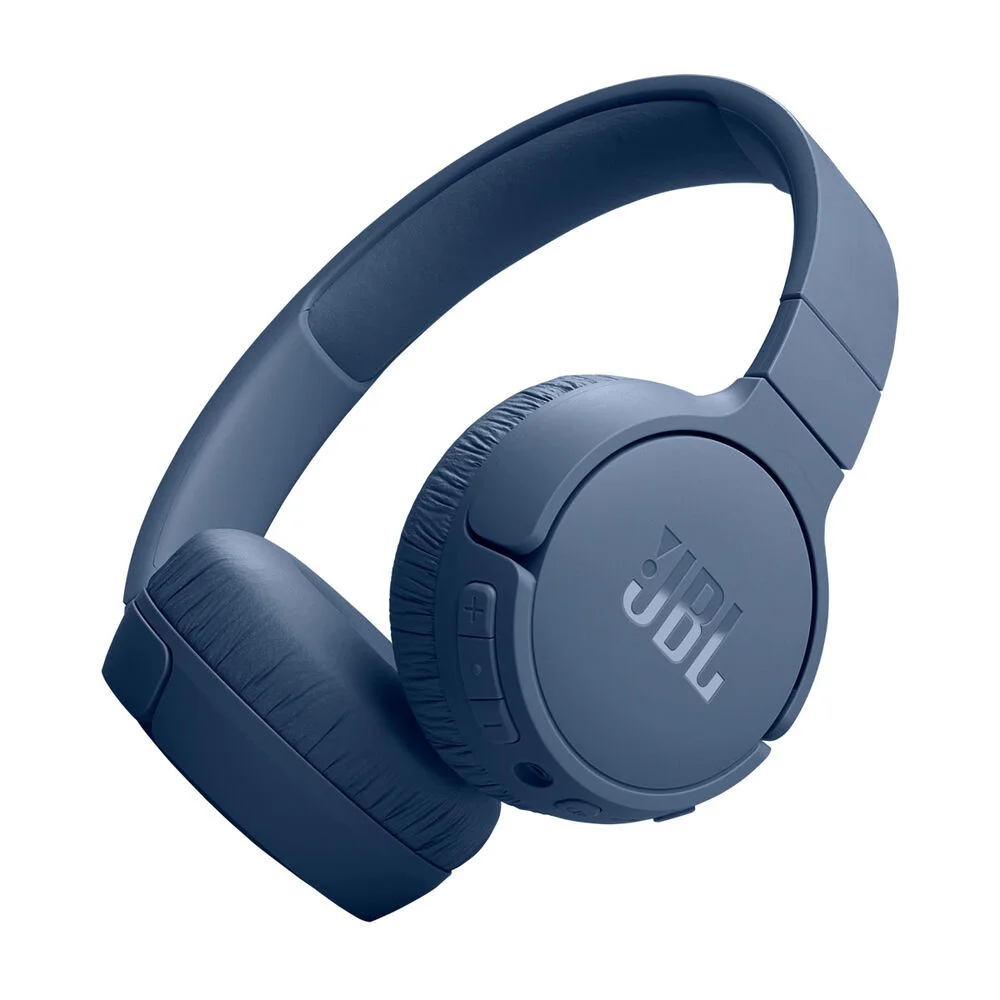
JBL Tune 670NC Adaptive Noise Cancelling Wireless On-Ear Headphones — £60
Best for commuters and office workers seeking noise cancellation without spending £150+. These sit comfortably for extended wear, the 40-hour battery life is genuinely exceptional (most competitors offer 20–30 hours), and the noise cancellation is competent, not class-leading. You won't hear silence like you would with Sony WH-1000XM5s, but at a quarter of the price, the trade-off is sensible. The on-ear fit means they're less isolating than over-ear alternatives, so they work better in offices where you want ambient awareness.
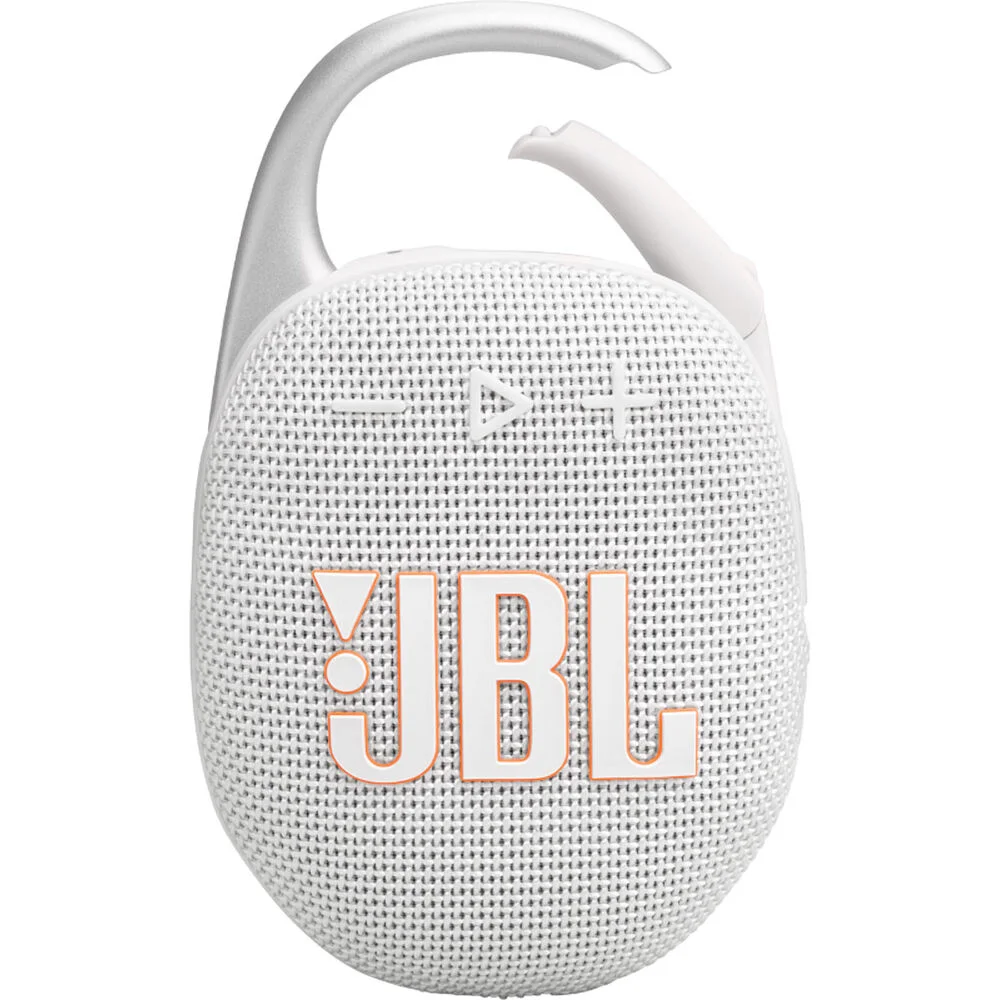
JBL Clip 5 Wireless Bluetooth Speaker — £59.95
Best for anyone who needs audio that moves with them—hiking, beach trips, backyard gatherings. The carabiner clip is genuinely useful (not a gimmick), it's fully waterproof (IP67 rating), and the battery runs for 12 hours. Sound quality is clear and adequate for outdoors; don't expect bass depth. At £59.95, this undercuts comparable speakers from Ultimate Ears and Anker by £10–20. The orange-and-black colourway is striking without being garish.
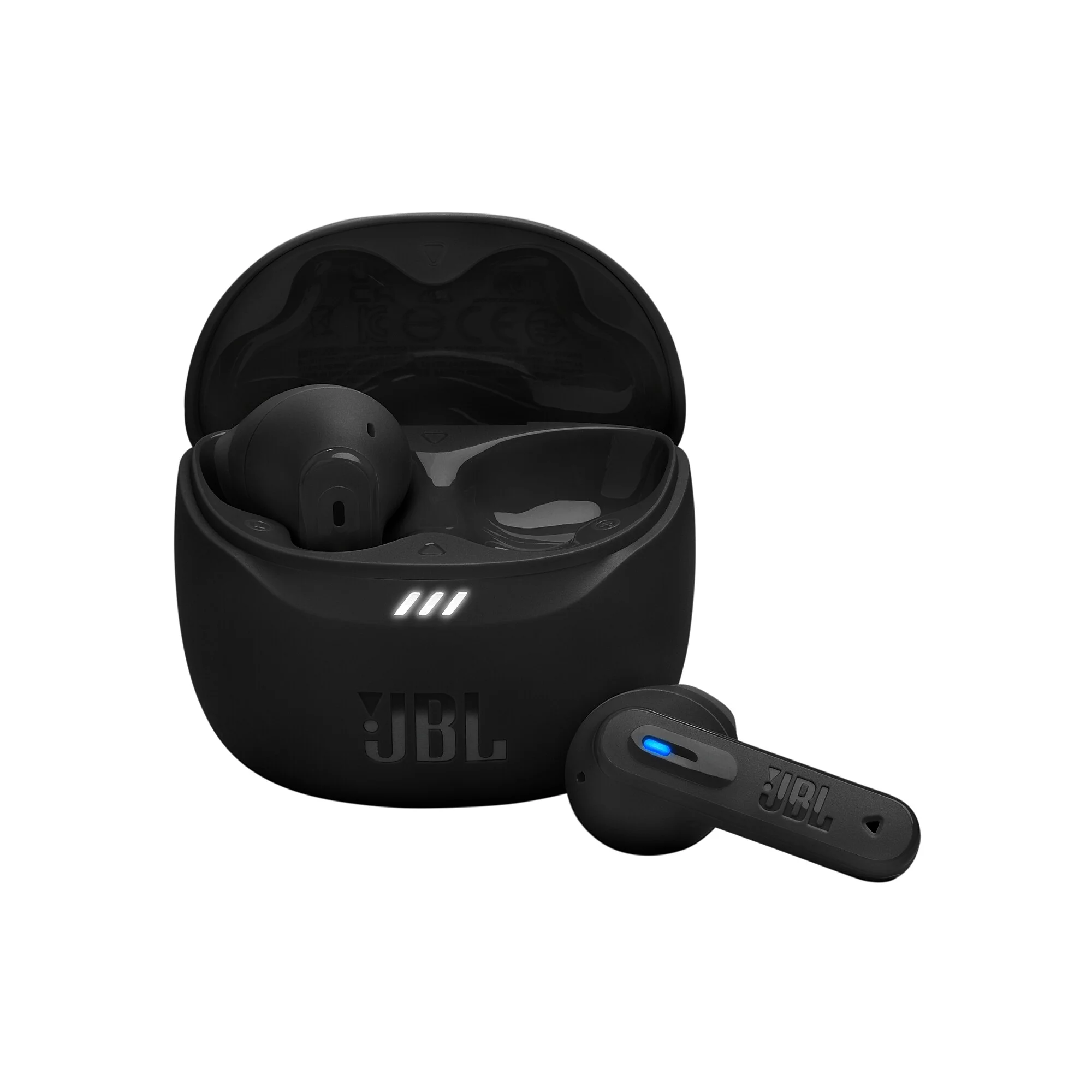
JBL Tune Flex 2 Wireless Noise Canceling Earbuds — £69.95
Best for listeners who prioritise fit and comfort over pure sound quality. These sit between budget true wireless and premium options; they offer ANC (adaptive noise cancelling) and a secure fit for workouts. The issue: at £69.95, they're competing directly with better-sounding alternatives like the Soundcore Space A40 (often £50–60) and feature-richer rivals like the Beats Fit Pro. They're not bad, but they're the least compelling product in this range.
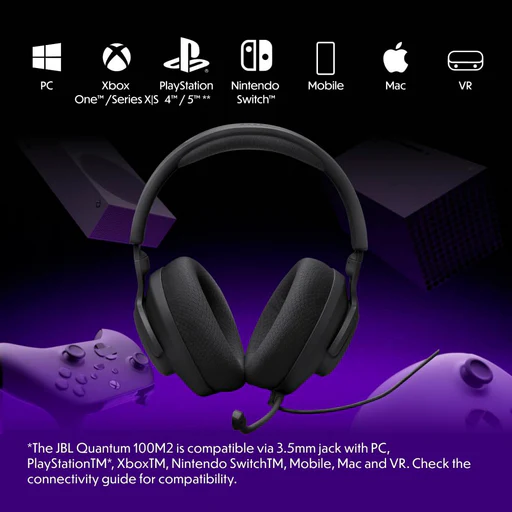
JBL Quantum 100M2 Wireless Over-Ear Gaming Headset — £29.95
Best for casual gamers on a tight budget or anyone needing a second pair of cans for office video calls. At £29.95, this is genuinely cheap—you're getting a functioning wireless headset. The microphone works, the 30-hour battery is strong, and they won't break the bank if they get lost. But they're heavy, the sound profile is muddy (typical of budget gaming headsets), and the ANC is marketing speak—they just isolate passively. Only buy this if your budget is under £40.
Quick Comparison
| Product | Price | Best For | Standout Feature | |---------|-------|----------|------------------| | Tune 670NC | £60 | Commuters | 40-hour battery, ANC at budget price | | Clip 5 | £59.95 | Outdoor use | Waterproof (IP67), carabiner clip | | Tune Flex 2 | £69.95 | Gym-goers | Secure fit, ANC in earbuds | | Quantum 100M2 | £29.95 | Budget gaming | 30-hour battery, ultra-cheap |
What to Look For
- Battery life over features: JBL's real strength. The Tune 670NC delivers 40 hours and the Clip 5 offers 12 hours—these are the longest in their respective categories at these prices. Longer battery trumps marginally better sound quality on products under £70.
- Use case specificity: The Clip 5's waterproofing (IP67 rating) only matters if you're near water; the Tune 670NC's on-ear design only makes sense if you value portability over isolation. Choose based on your actual routine, not feature checklists.
- Noise cancellation realism: JBL's ANC is competent but not premium. It reduces low-frequency rumble (plane engines, traffic) adequately but doesn't match Sony's or Bose's processing. Acceptable trade-off under £70; not if you're spending more.
- Audio profile: JBL products tend toward warm, bass-heavy tuning—good for pop and hip-hop, fatiguing for acoustic music. Listen before buying if sound signature matters to you.
The Bottom Line
The Tune 670NC at £60 is the best all-rounder: it delivers genuine noise cancellation, exceptional battery life, and wearable comfort for commuters or office workers. If you need a speaker, the Clip 5 at £59.95 is a no-brainer for outdoor use—waterproof, durable, and practically useful. Skip the Tune Flex 2 unless fit is critical; skip the Quantum 100M2 unless you absolutely can't spend more than £30.
Frequently Asked Questions
Is JBL good value for money?
Yes, but only in specific categories. JBL's wireless headphones and portable speakers at £50–70 represent fair value compared to equivalently priced rivals. Their noise cancellation doesn't match Sony or Bose, and their sound quality trails audiophile brands, but you're paying for reliability and battery life, not premium sound. Avoid their premium-priced products (£150+)—that's where competitors pull ahead significantly.
Which JBL product has the best battery life?
The Tune 670NC headphones at 40 hours. For context, most wireless headphones offer 20–30 hours; JBL's on-ear design and efficient drivers push this significantly higher. The Clip 5 speaker delivers 12 hours, which is solid for a portable Bluetooth speaker but not class-leading (some UE speakers manage 20 hours).
Are JBL earbuds worth buying compared to AirPods or Samsung Galaxy Buds?
Not at the same price point. The Tune Flex 2 at £69.95 competes with AirPods 3rd generation (£170, but often discounted to £100) and Samsung Galaxy Buds Pro (£200, often £120 on sale). If you can stretch to £100–120, either of those delivers noticeably better sound and ecosystem integration. At exactly £69.95, JBL's earbuds are competent but outmatched by slightly pricier alternatives.
Can I use JBL Clip 5 in the shower or pool?
Yes for showers; no for pools. It has an IP67 waterproof rating, meaning it can be submerged in up to 1 metre of fresh water for 30 minutes. Salt water, chlorine, and prolonged submersion void this protection. It's designed for splashes, rain, and accidental dunks, not water-sports use.