Which Google Products Are Actually Worth Buying? A No-Nonsense Guide
Google's current product range skews toward smart home essentials and fitness tracking. The Google Home Smart Speaker at £154.99 and Nest Hello doorbell at £119.99 are the strongest all-rounders; the Fitbit trackers are solid if you want health metrics, but the category is crowded. Most of these products offer genuine utility rather than novelty—they integrate well with Android devices and feel like mature, daily-use items rather than experiments.
Why Google?
Google manufactures across consumer electronics through several owned brands: Nest (smart home), Fitbit (health wearables, acquired in 2021), and Google Home (AI speakers and displays). Founded in 1998, Google has two decades of experience building connected devices that sync with Android, Gmail, and Google's wider ecosystem. Their advantage isn't cutting-edge design—it's software integration. A Google Home speaker knows your calendar, your commute, and your smart lights out of the box. Fitbit wearables now feed directly into Google Fit. This interconnectedness means less faffing with third-party apps and faster setup for existing Google users.
Top Picks
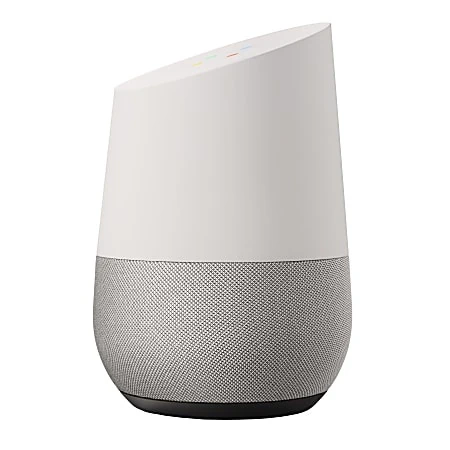
Google Home Smart Speaker — £154.99
Best for: Google ecosystem loyalists and hands-free control. The Home speaker delivers the core smart speaker experience: voice commands to Google Assistant, multi-room audio, Spotify/YouTube Music streaming, and integration with any smart lights or thermostats you've already got. It's not the smallest (7.7cm tall) but the sound quality at this price point is respectable—clearer mids than most budget rivals. If you're already using Android and Gmail, this becomes genuinely useful rather than just a novelty.
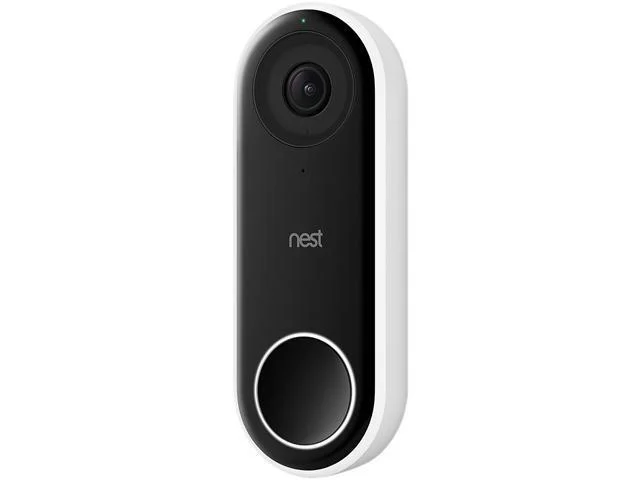
Google Nest Hello Wifi Wired Smart Video Doorbell — £119.99
Best for: Renters and security-conscious households. The Nest Hello is wired (mains-powered, no battery to replace) and records to cloud storage. You get real-time video alerts, person detection, and the ability to speak through the doorbell to visitors. The image sensor is sharp enough to read package labels. At £119.99, it's £30–50 cheaper than Ring Doorbell 4 equivalents while offering tighter Google Home integration. Main caveat: wired installation requires basic electrician skills or a handy friend.
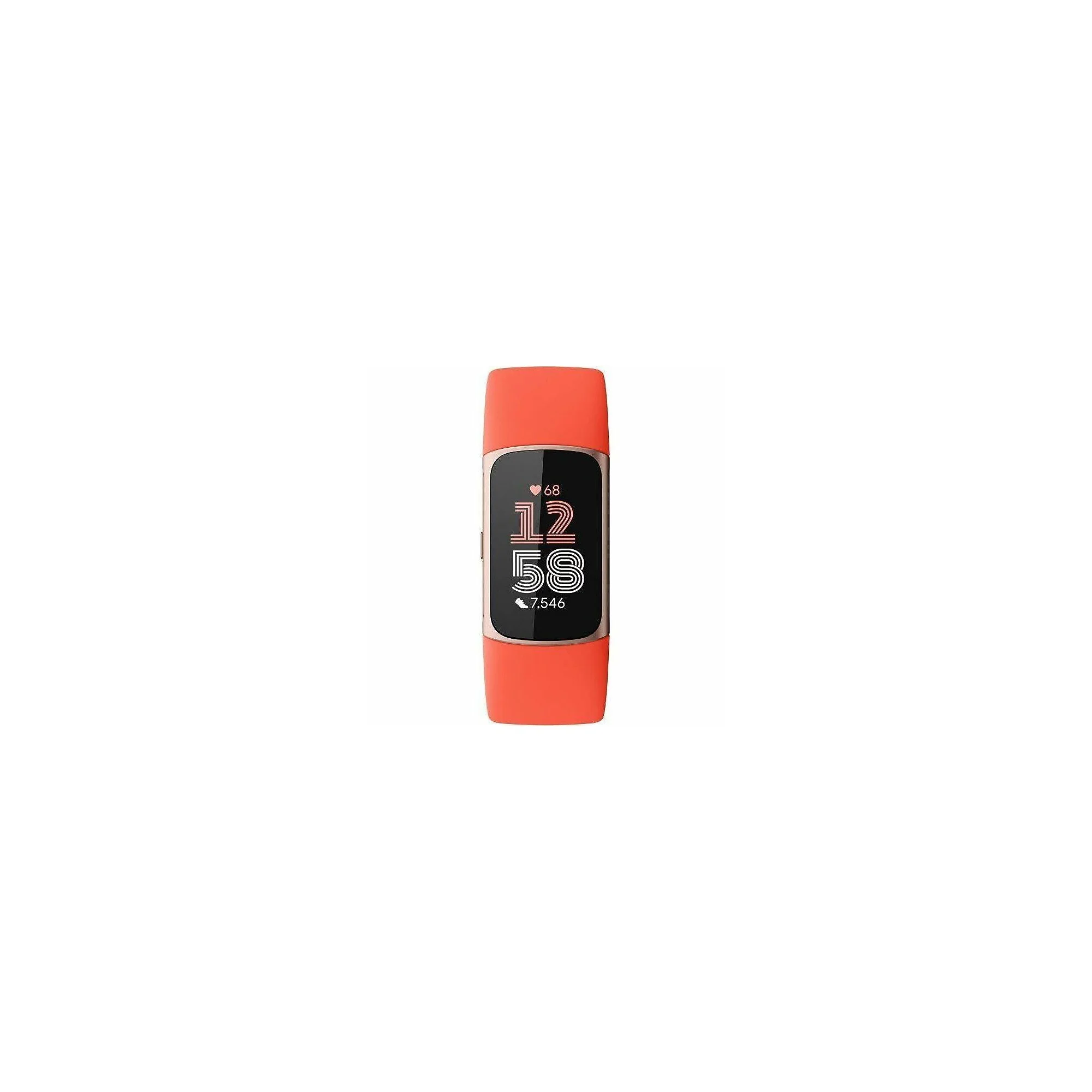
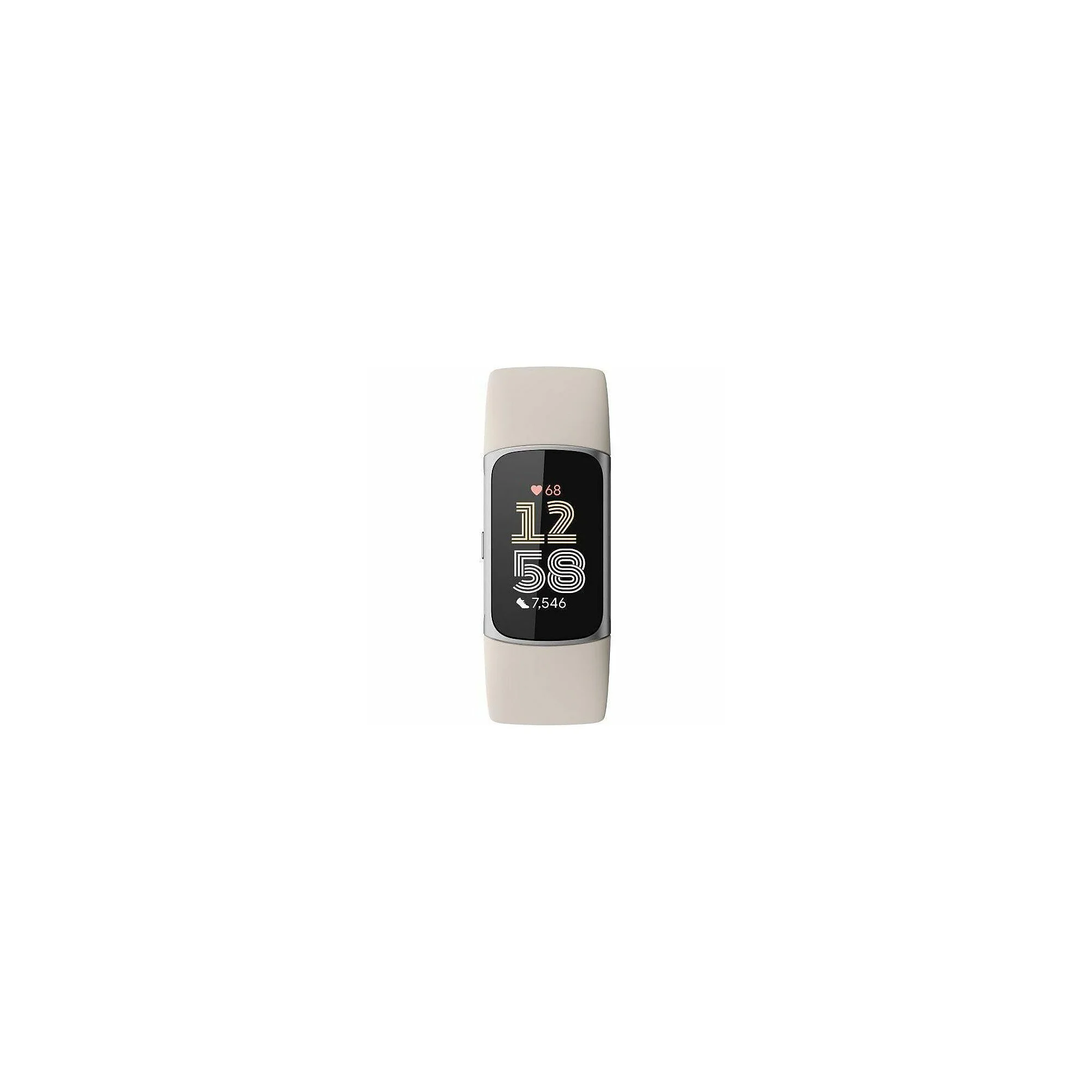
Google Fitbit Charge 6 — £159.95 (Porcelain/Silver or Coral/Champagne Gold)
Best for: Serious fitness trackers who want ECG and blood oxygen. The Charge 6 is Fitbit's mid-tier tracker with a 1.04-inch AMOLED screen, heart rate variability, blood oxygen tracking, and 6+ day battery life. Built-in GPS means no phone needed for route mapping. It syncs automatically with Google Fit and can now show Google Maps directions on your wrist. At £159.95, it's £40 above the Inspire 3 but justifies it if you run, cycle, or need ECG readings for health monitoring.
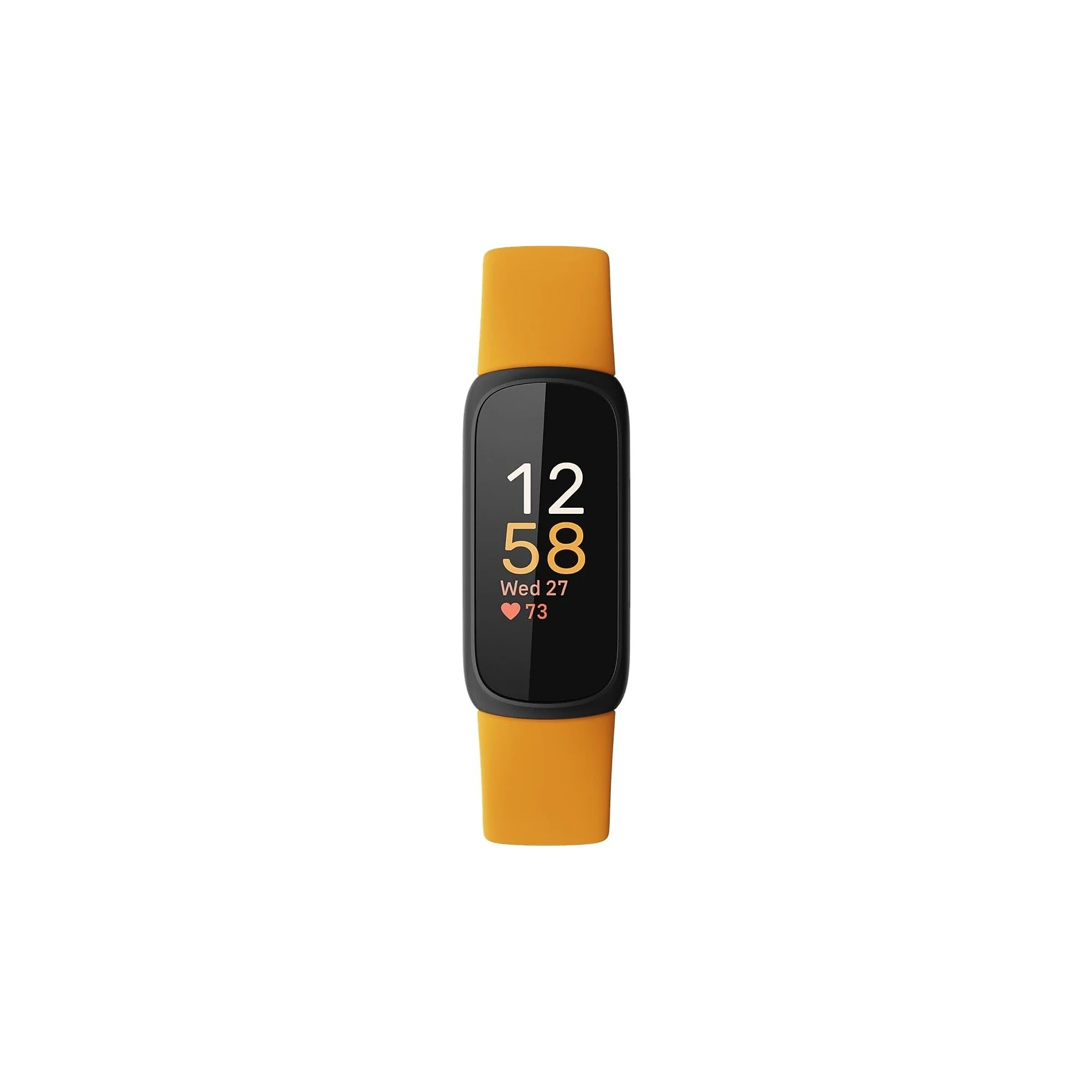
Google Fitbit Inspire 3 — £99.95
Best for: Budget-conscious fitness beginners. The Inspire 3 is Fitbit's entry-level tracker with step counting, heart rate, sleep tracking, and a tiny AMOLED screen. It's lightweight (12.3g) and battery lasts 10 days. No GPS, no ECG—but it works brilliantly as a daily activity monitor and the £99.95 price is fair for what you get. Syncs to Google Fit and Fitbit's app equally well.
Quick Comparison
| Product | Price | Best For | Standout Feature | |---------|-------|----------|------------------| | Google Home Smart Speaker | £154.99 | Smart home control | Multi-room audio + Google Assistant integration | | Nest Hello Doorbell | £119.99 | Security + convenience | Wired power, person detection, cloud recording | | Fitbit Charge 6 | £159.95 | Fitness enthusiasts | ECG, blood oxygen, built-in GPS | | Fitbit Inspire 3 | £99.95 | Activity tracking | 10-day battery, lightweight design |
What to Look For
- Ecosystem fit: All these products link to Google services (Google Home, Google Fit, Google Maps). If you use Gmail, Android, and Google Calendar daily, you'll see payoff. If you're locked into Apple, many features fall flat.
- Setup requirements: The Nest Hello needs mains wiring. Smart speakers need 2.4GHz Wi-Fi (not 5GHz only). Fitbit trackers pair via Bluetooth to your phone. Check these before buying.
- Cloud vs. local storage: Nest Hello records to cloud (paid plans available but not essential for live view). Home speakers store voice data according to your Google privacy settings. Fitbits sync to cloud-based Fitbit accounts—useful for long-term health trends but requires an account.
- Battery and longevity: The Inspire 3 lasts 10 days per charge; Charge 6 lasts 6+ days. Home speakers are permanently plugged in. Nest Hello is wired (no battery concerns). Choose based on your charging habits and lifestyle.
The Bottom Line
The Google Home Smart Speaker at £154.99 is the best entry point if you want a versatile smart device that genuinely earns its place. For security, the Nest Hello at £119.99 is exceptional value. For fitness tracking, pick Fitbit Charge 6 at £159.95 if you run or want health metrics, or Fitbit Inspire 3 at £99.95 if you just want step counts and peace of mind. None of these are flops, but they're only truly worth buying if you're already using Google's ecosystem.
Frequently Asked Questions
Is Google good value for money compared to Amazon or Apple?
Google products typically undercut Apple by £40–80 on equivalent items (e.g., Home speaker vs. HomePod mini). They're competitive with Amazon on price but usually offer tighter software integration if you use Android or Gmail. Value depends on your existing ecosystem—if you're already in Google's world, these are bargains; if you use Apple or Amazon services, they're less compelling.
Do I need a Google Home speaker if I already have a phone?
Not strictly. Your phone's Google Assistant does 80% of what a Home speaker does. But a speaker excels at kitchen use (hands covered while cooking), multi-room audio, and voice commands from anywhere in your house. At £154.99, it's worth it if you genuinely use voice commands daily; otherwise, your phone is enough.
Can I use Fitbit trackers without a Google account?
Yes—Fitbit trackers sync to standalone Fitbit accounts without requiring Google Sign-In. However, you lose the tight Google Fit integration and can't see fitness data on Google Home or Google Maps. For full value, linking to a Google account is worthwhile, but it's not mandatory.
How secure is the Nest Hello doorbell?
The Nest Hello records to encrypted cloud storage and uses HTTPS encryption for live video. Audio from the doorbell speaker goes through your home Wi-Fi. Google's privacy settings let you control data retention. It's as secure as most smart doorbells, but like all cloud devices, assume your video is stored remotely and set your privacy preferences accordingly.