Google's current product range focuses on practical essentials: a smart video doorbell for home security and fitness trackers for health monitoring. These aren't cutting-edge innovations, but they're solid performers at accessible prices, particularly if you already use Google services or Android devices.
Why Google?
Google has been designing consumer hardware since 2016, though their focus has narrowed significantly. They specialise in ecosystem integration—their products are built to work seamlessly with Android, Google Home, and Google's AI services. The brand's strength isn't innovation; it's reliability and data synchronisation. Google owns your fitness data and home footage, which matters for privacy-conscious buyers. Founded in 1998 and headquartered in Mountain View, California, Google brings decades of software expertise to hardware, though their product range remains deliberately curated rather than comprehensive.
Top Picks
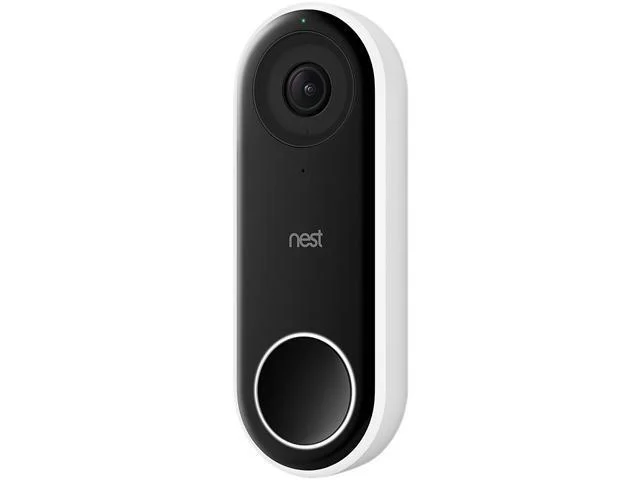
Google Nest Hello Wifi Wired Smart Video Doorbell, Black — £119.99
Best for homeowners wanting simple, secure entry monitoring without monthly subscriptions. The Nest Hello records footage in 1080p, sends real-time alerts to your phone, and integrates directly with Google Home. Installation requires existing doorbell wiring (hardwired, not battery-powered), so it suits homes with traditional setups. No cloud storage fees—you pay once, record indefinitely to local storage or optional paid cloud backup.
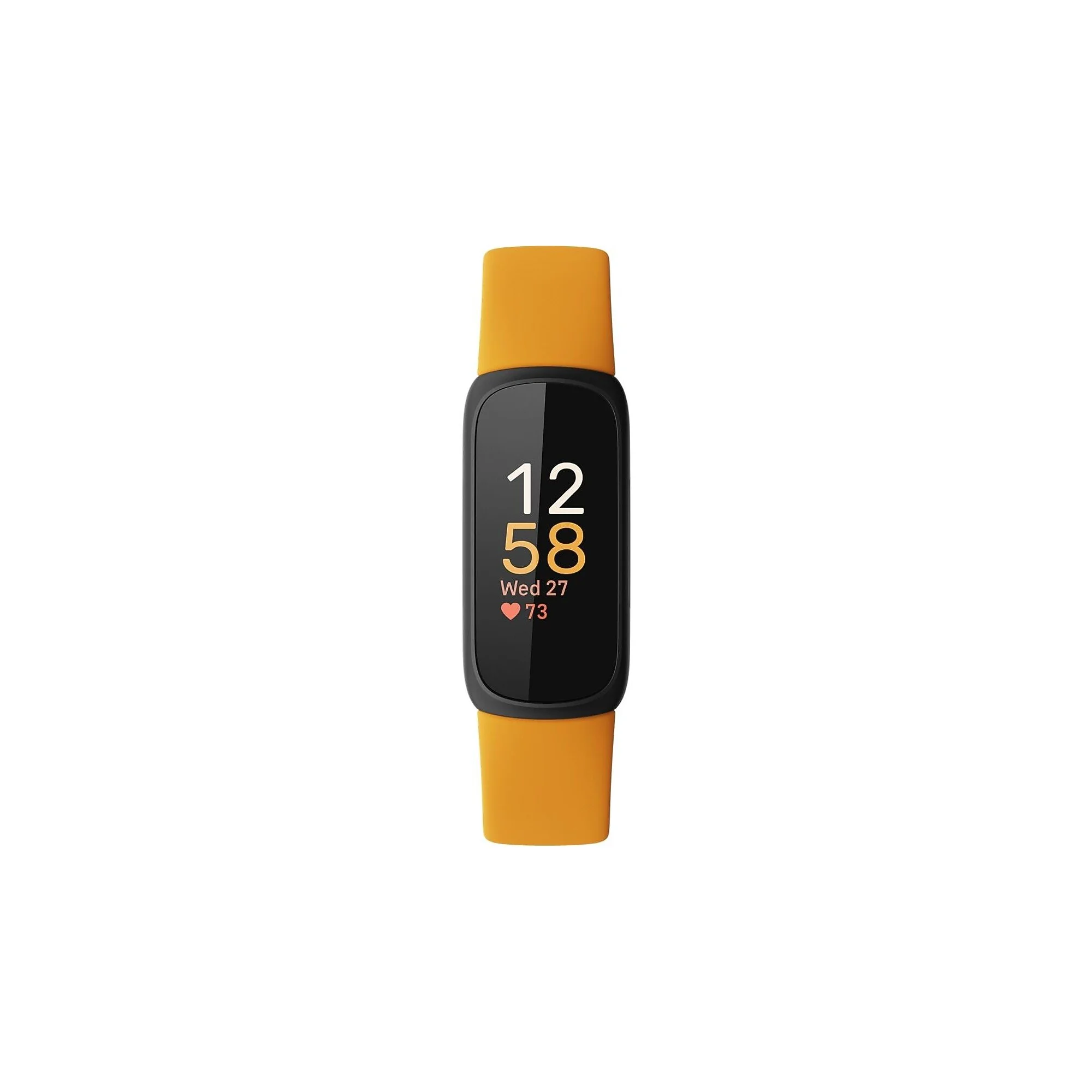
Google Fitbit Inspire 3 Health & Fitness Tracker, Morning Glow/Black — £79.95
Best for beginners tracking daily activity and sleep without complex features. The Inspire 3 monitors steps, calories, heart rate, and sleep quality with a lightweight, minimalist design. It lasts up to 10 days per charge—roughly double the Charge 6—making it ideal for people who dislike frequent charging. The trade-off: no GPS or ECG (electrocardiogram) data. If you're just starting fitness tracking, this covers the essentials at the lowest price point in the range.
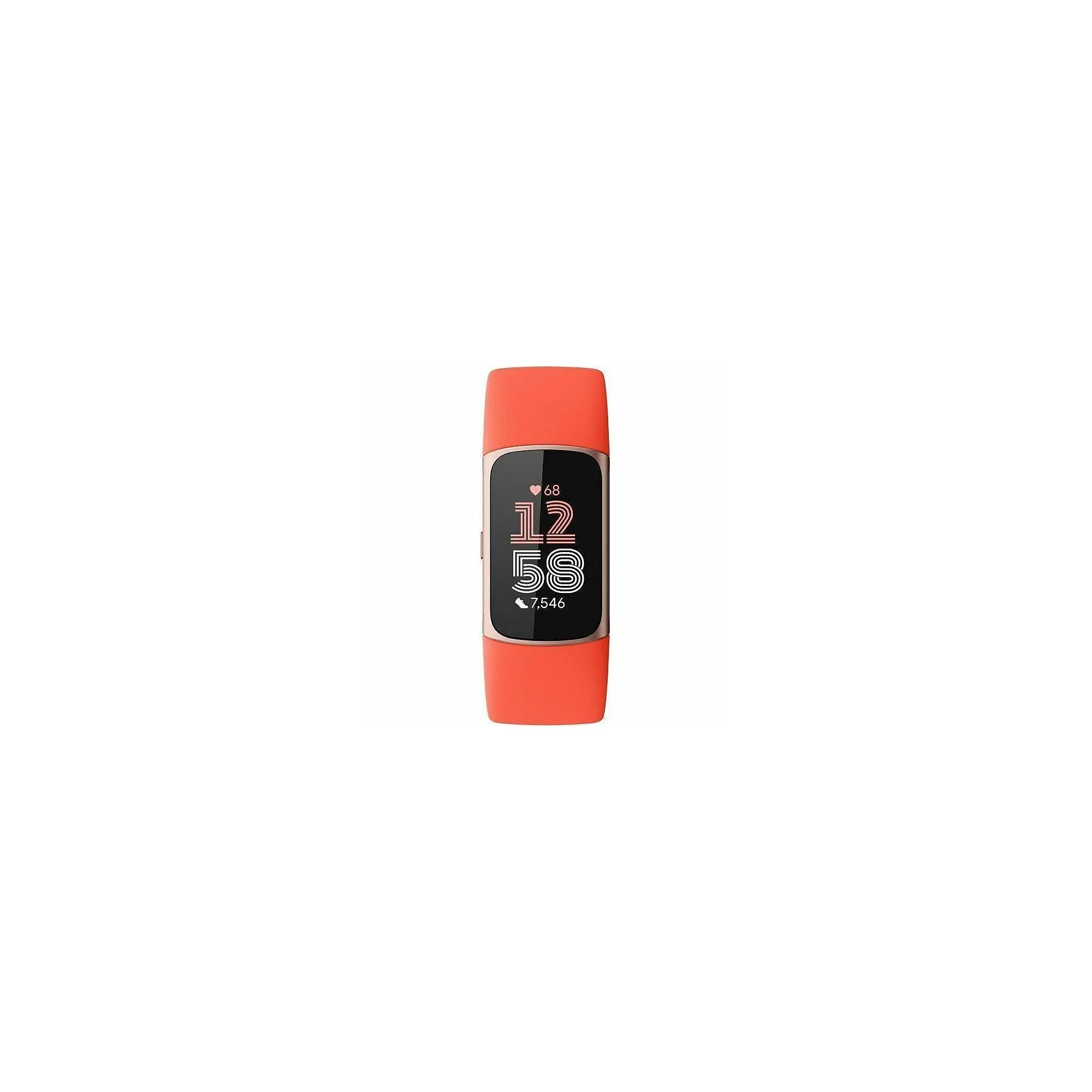
Google Fitbit Charge 6 Fitness Tracker, Coral/Champagne Gold Aluminum — £129.95
Best for serious fitness enthusiasts needing GPS, detailed health metrics, and app ecosystem support. The Charge 6 includes built-in GPS (accurate route tracking without your phone), ECG monitoring (detects irregular heart rhythms), SpO2 sensors, and skin temperature tracking. Battery life is 5 days—shorter than the Inspire 3, but worth it for the richer data. Works with Android and iOS; syncs seamlessly with Google Fit and third-party apps like Strava.
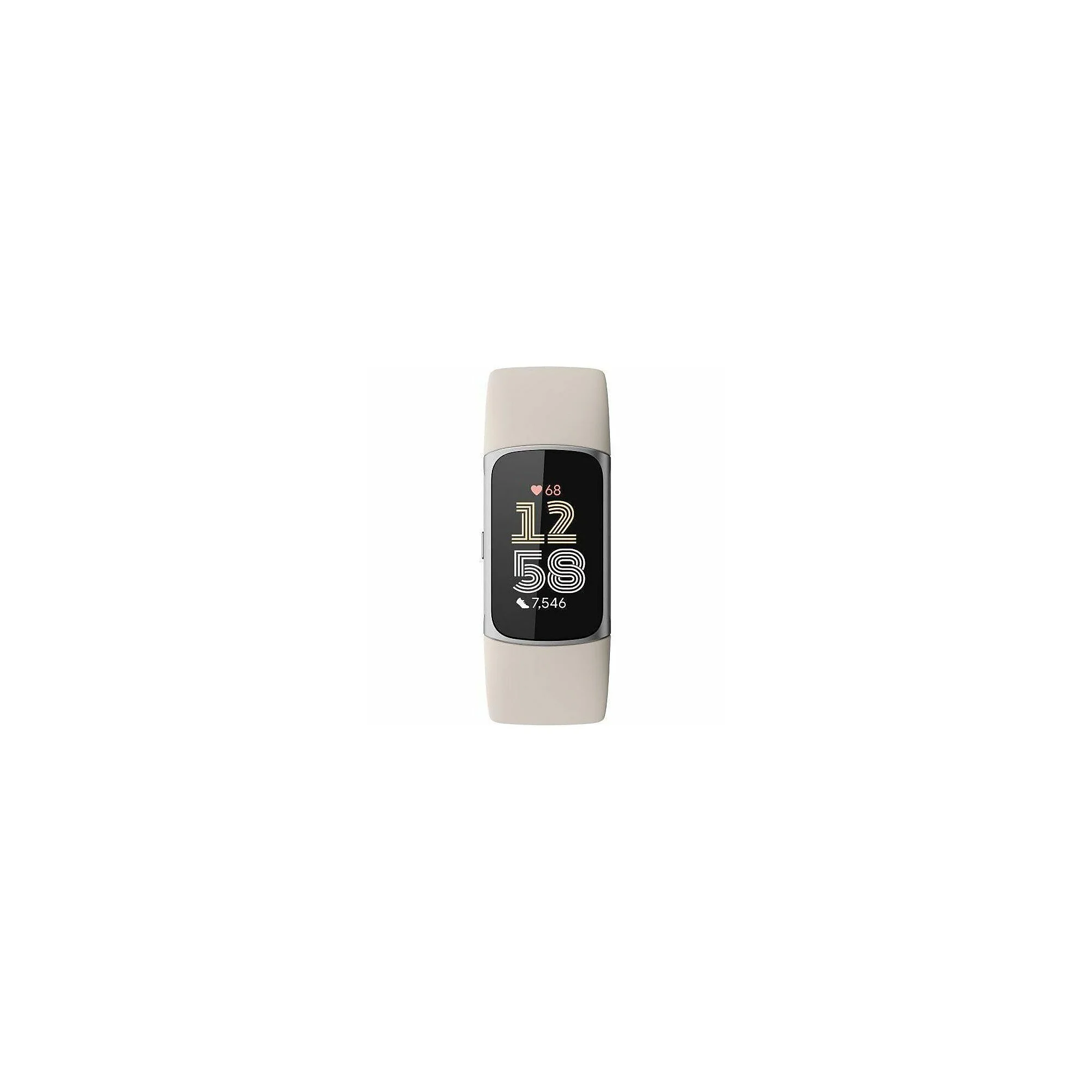
Google Fitbit Charge 6 Fitness Tracker, Porcelain/Silver Aluminum — £129.95
Identical specs to the Coral model—same price, same features, different aesthetic. Choose this if the Porcelain/Silver colourway suits your style preference better. No functional difference between the two Charge 6 variants.
Quick Comparison
| Product | Price | Best For | Standout Feature | |---------|-------|----------|------------------| | Nest Hello Doorbell | £119.99 | Home security | 1080p video, no subscription fees | | Fitbit Inspire 3 | £79.95 | Budget fitness tracking | 10-day battery life | | Fitbit Charge 6 | £129.95 | Advanced fitness tracking | GPS + ECG + SpO2 sensors |
What to Look For
- Battery life expectations: The Inspire 3 lasts 10 days; the Charge 6 lasts 5 days. Choose based on how often you're willing to charge—frequent chargers prefer the Inspire 3, despite fewer features.
- GPS requirement: Only the Charge 6 has built-in GPS. If you run, cycle, or hike and want accurate route mapping without carrying your phone, this is non-negotiable.
- Health metrics depth: The Charge 6 includes ECG (detects atrial fibrillation) and skin temperature tracking; the Inspire 3 doesn't. These matter if you have heart concerns or want advanced sleep analysis.
- Google ecosystem lock-in: All three products sync best with Android and Google Fit. If you use Apple or prefer platform neutrality, consider this a minor friction point—they work with third-party apps, but not as seamlessly.
The Bottom Line
The Google Nest Hello Doorbell at £119.99 is the standout for home security—no subscription trap, solid 1080p video, and local storage. For fitness tracking, choose the Fitbit Inspire 3 (£79.95) if you're new to wearables or dislike charging frequently; pick the Fitbit Charge 6 (£129.95) if you run or need ECG monitoring. Google's range is deliberately small but reliable; buy if you value ecosystem integration over brand variety.
Frequently Asked Questions
Is the Google Nest Hello waterproof?
The Nest Hello is weather-resistant (rated IP64), so it handles rain and moisture, but it's not fully waterproof. Don't submerge it. Installation behind an outdoor overhang or eave adds protection.
Can I use a Fitbit tracker without a smartphone?
Fitbit trackers store data locally and sync when your phone is nearby. You don't need an app open constantly, but you'll need a smartphone to set up the device initially and to view full stats. Basic activity counting happens on the tracker itself.
Does Google Nest Hello work with non-Google smart home systems?
The Nest Hello integrates tightly with Google Home but has limited compatibility with Alexa or Apple HomeKit. If you're deep in another ecosystem, this doorbell may not be the best fit.
Which Fitbit is better for sleep tracking: Inspire 3 or Charge 6?
Both track sleep duration and quality similarly. The Charge 6 adds skin temperature monitoring (useful for detecting illness or hormonal changes), but the Inspire 3 is sufficient for standard sleep metrics. Unless you specifically need temperature data, they're equivalent for sleep.