Garmin makes genuine fitness and outdoor tech, not just fashion pieces pretending to track steps. Their current range includes a stripped-back fitness tracker, a mid-range GPS smartwatch, and a premium option with Wi-Fi—but only one is worth most people's money.
Why Garmin?
Garmin has been making GPS and navigation devices since 1989, which means they understand outdoor tracking better than Apple or Samsung. They specialise in accurate GPS, multi-day battery life (not the 1-2 days you get from mainstream smartwatches), and sport-specific metrics—VO2 max tracking, training load, recovery time. Their watches don't try to be phones; they're fitness computers that happen to show notifications. That focus shows in their algorithms and reliability among runners, cyclists, and hikers.
Top Picks
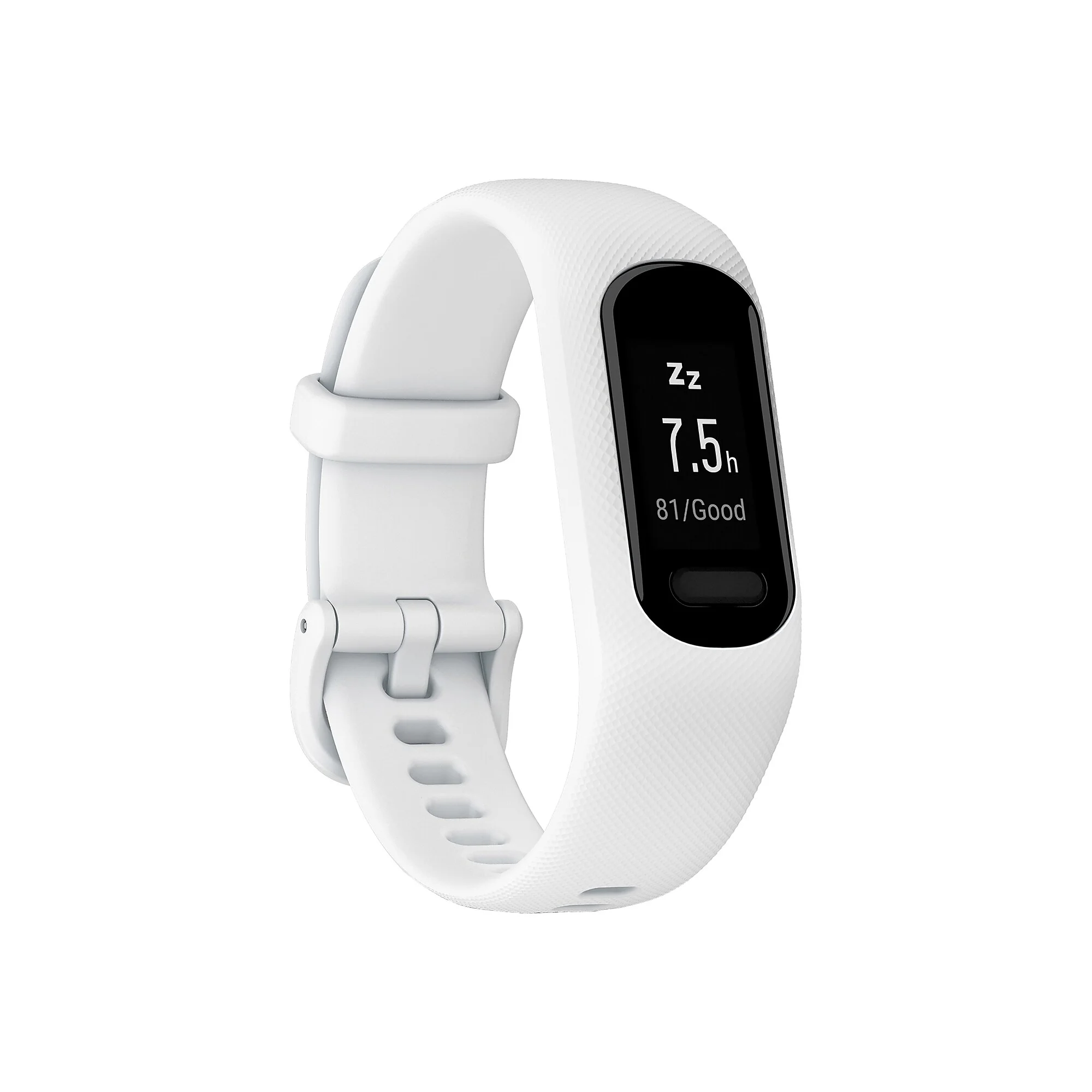
Garmin Vívosmart 5 Fitness Tracker—£159.89
Best for people who just want daily step counts without wrist clutter. This is a slim tracker, not a watch—it shows time and basic metrics on a small screen. No GPS, no Wi-Fi, no pretence. Perfect if you already own a smartphone and just need sleep tracking and activity reminders without paying for redundant smartwatch features.
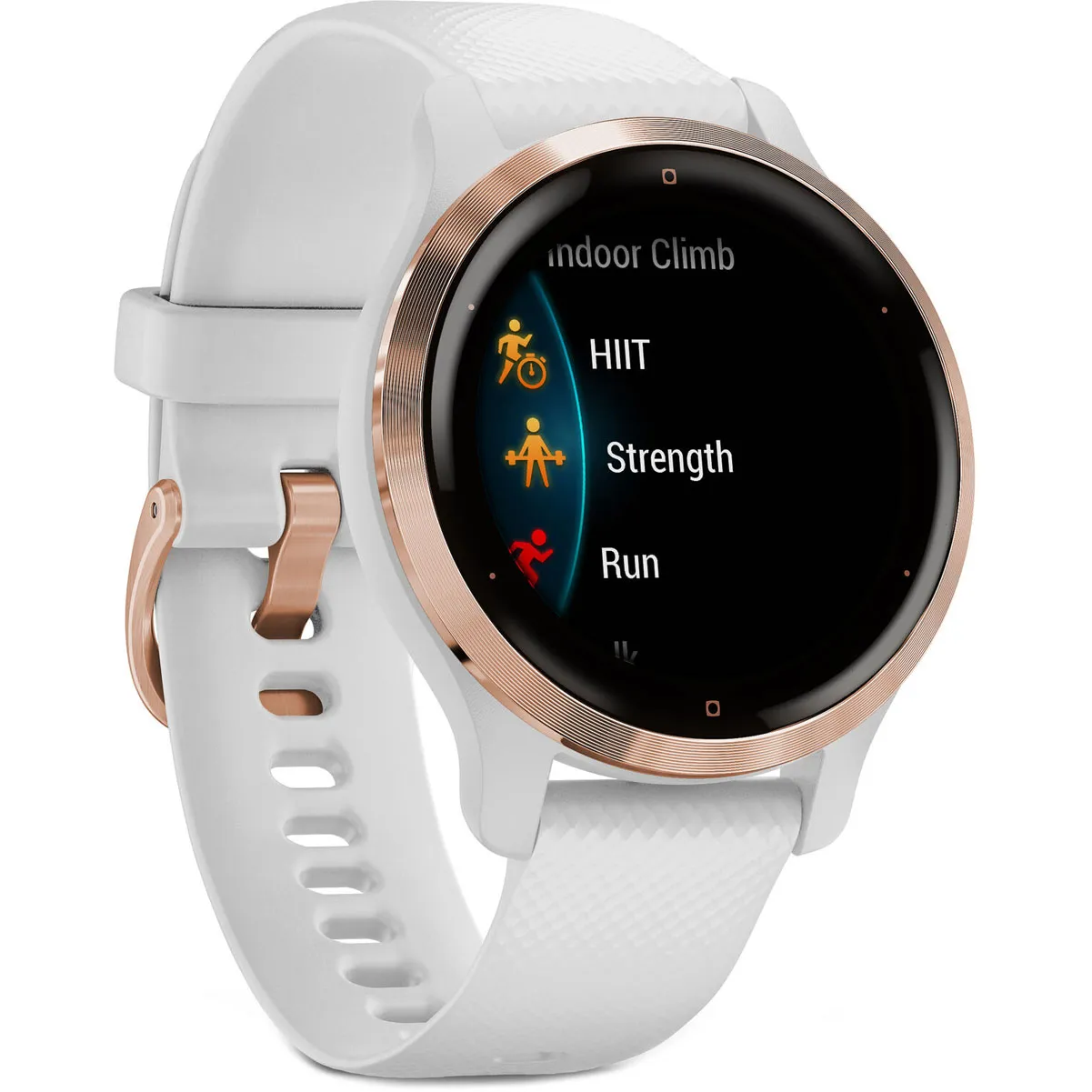
Garmin Venu 2s GPS Smartwatch (Rose Gold/White)—£300.00
Best value for runners and cyclists who want actual GPS mapping and multi-day battery. The 2s is the smaller version of the Venu 2, with a 41mm screen instead of 45mm—better for narrower wrists. You get built-in GPS (meaning real route tracking, not phone-dependent), Wi-Fi syncing, 11-day battery life in smartwatch mode, and sport-specific workouts (running, cycling, swimming, yoga). The price jump from the Vívosmart (£140 more) buys you GPS and a proper smartwatch form factor.
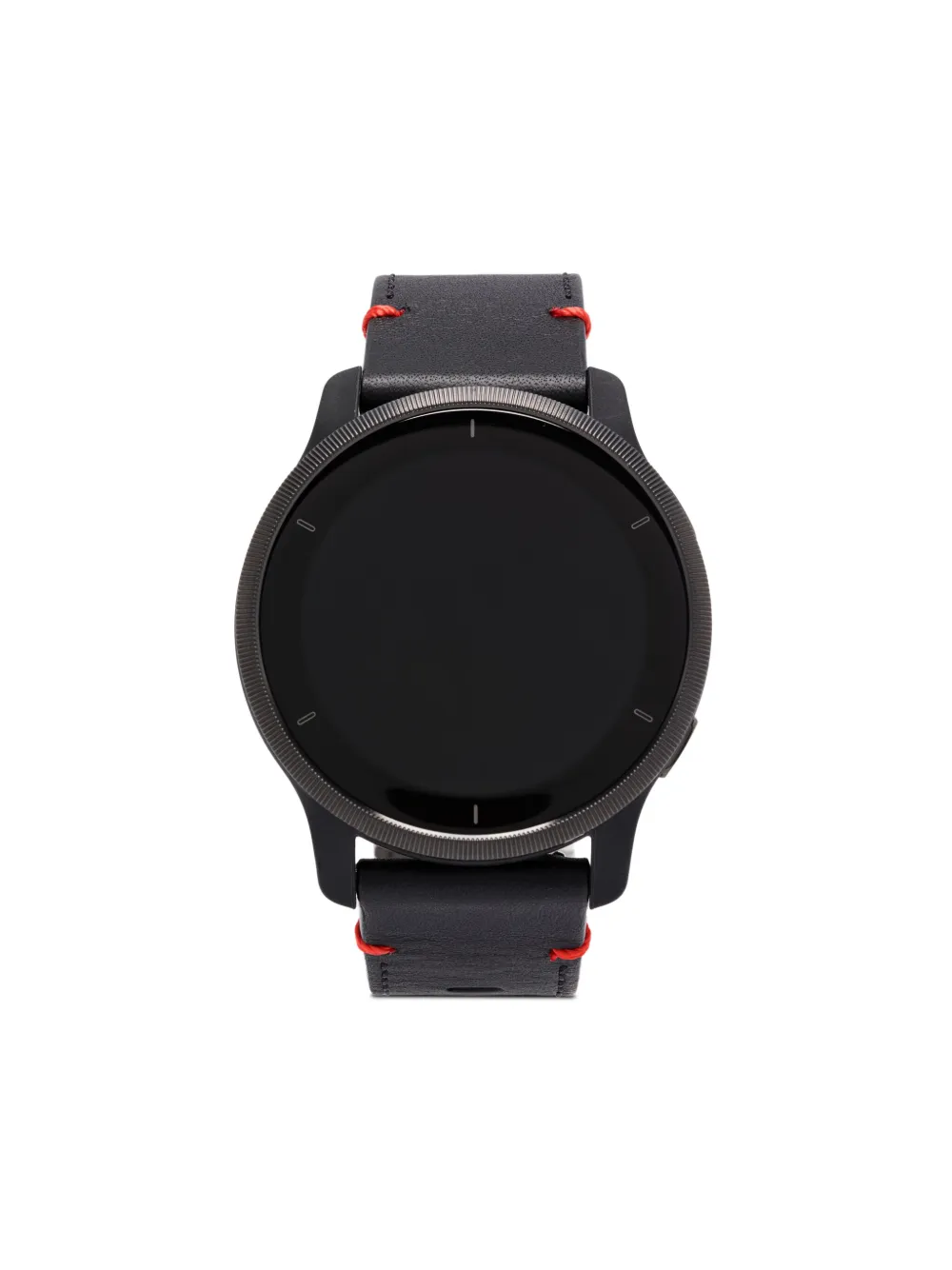
Garmin Venu 2 (42mm)—£709.00
Best for serious athletes who want the premium feature set. The 42mm Venu 2 is Garmin's flagship wrist device: 1.3-inch AMOLED display (bright and sharp), integrated Wi-Fi, GPS, 11-day battery, and advanced metrics like Training Effect, Sleep Tracking, and Pulse Ox. The 42mm sits between the Venu 2s (41mm) and standard Venu 2 (45mm), offering a middle ground on screen size. At £709, it's a significant jump from the 2s, and most people won't justify the extra cost unless they're training seriously.
Quick Comparison
| Product | Price | Best For | Standout Feature | |---------|-------|----------|------------------| | Vívosmart 5 | £159.89 | Daily step tracking without GPS | Slim form factor, 7-day battery | | Venu 2s | £300.00 | Runners and cyclists on budget | GPS mapping + 11-day battery | | Venu 2 (42mm) | £709.00 | Serious athletes | AMOLED display, advanced metrics |
What to Look For
- Battery life in smartwatch mode: The Venu 2s and Venu 2 both claim 11 days; the Vívosmart 5 manages 7. That's a crucial difference if you travel or want to avoid daily charging. Most smartwatches from Apple or Samsung need charging every 2 days.
- GPS accuracy: All three have GPS (the Vívosmart 5 uses your phone's GPS only, so it's not true standalone GPS). Garmin's GPS is consistently among the most accurate for route mapping—important if you're logging runs or hikes seriously.
- Screen type: The Venu 2s and Vívosmart 5 use LCD (always on, lower power, easier to read in sunlight). The flagship Venu 2 uses AMOLED (richer colours, deeper blacks, higher power drain). If battery life matters, LCD wins.
- Wrist size: 42mm and 45mm cases suit most men; 41mm is better for women or smaller wrists. Check case width, not just diameter—the Venu 2s at 41mm may feel more balanced on narrower wrists than the standard Venu 2 at 45mm.
The Bottom Line
Buy the Venu 2s (£300) unless you need a reason not to. It's the middle ground: real GPS, 11-day battery, proper smartwatch screen, and the price gap from the Vívosmart 5 (£140 more) is worth it for GPS alone. Only step up to the Venu 2 (£709) if you're a competitive athlete who values AMOLED display and advanced training metrics; everyone else is throwing away £400 on screen technology they don't need.
Frequently Asked Questions
Is Garmin good value compared to Apple Watch or Samsung Galaxy Watch?
Yes, if you value battery life and GPS accuracy over app ecosystem. A Garmin smartwatch charges once every 11 days; an Apple Watch charges daily. Garmin's GPS is built-in and standalone; Samsung's Galaxy Watch relies on your phone for navigation. You trade third-party app support for days of battery and reliable sports tracking. That swap makes sense if you run, cycle, or hike regularly.
Which Garmin is best for swimming?
All three officially support water resistance (the Vívosmart 5 to 5ATM, the Venu models to 5ATM). However, only the Venu 2s and Venu 2 have dedicated swim tracking with lap counting and stroke type detection. The Vívosmart 5 will survive being wet but won't actively track swimming strokes. For serious swimmers, the Venu 2s is the minimum choice.
Do I need Wi-Fi if I have Bluetooth and a smartphone?
Not critically, but it's convenient. Wi-Fi on the Venu 2s and Venu 2 lets the watch sync activity data and download maps without your phone nearby—useful if you're out hiking and want updates sent while you're still outdoors. Bluetooth syncing (which all three have) waits until you're back near your phone. If you're always near your phone, Wi-Fi is a nice-to-have, not essential.
Can Garmin watches run apps like Spotify or Apple Pay?
No. Garmin deliberately keeps their watches focused on fitness and navigation. They don't support third-party apps, streaming music, or contactless payments. If you need those features, choose Apple Watch or Samsung Galaxy Watch instead. Garmin's trade-off is simplicity and battery life for that limitation.