Which Fitbit Should You Buy? A Comparison of Their Current Range
Fitbit's current lineup offers three distinct options across different price points, each targeting different fitness tracking needs. The Inspire 3 is the entry-level choice at £99.95, the Charge 6 is the fitness-focused mid-range option at £159.95, and the Versa 4 is the feature-rich smartwatch at £199.95. Your choice depends on whether you prioritise affordability, advanced fitness metrics, or full smartwatch functionality.
Why Fitbit?
Fitbit was acquired by Google in 2021 and has been a fitness tracking specialist since 2007. The brand focuses on wearable health devices that track heart rate, sleep, steps, and calories—with no bloat or unnecessary features. What sets them apart is integration with Google services (including Google Fit and Google Home on some models) and their focus on health insights rather than just raw data. All three current models offer 24/7 heart rate monitoring and multi-sport tracking, which is standard across the range regardless of price.
Top Picks
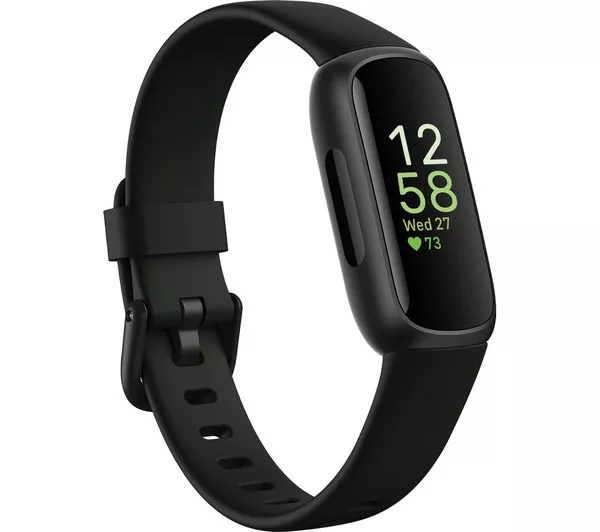
Fitbit Inspire 3 — £99.95
Best for first-time fitness tracker buyers who want GPS without paying premium prices. The Inspire 3 includes built-in GPS, 38mm Aluminum case, and an AMOLED display. Battery life reaches 10 days between charges. This is the entry point to Fitbit's ecosystem—solid core features, no unnecessary complexity. The black midnight case with zen silicone band is practical and professional.
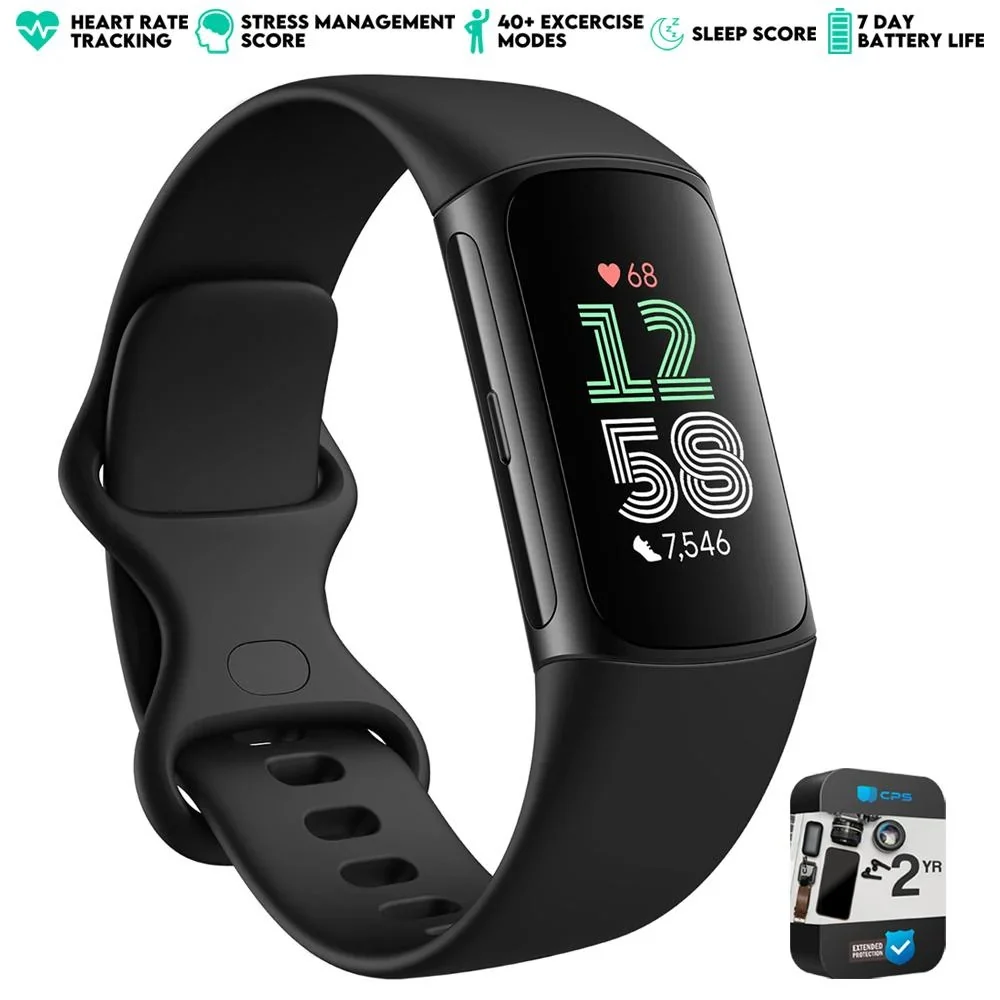
Fitbit Charge 6 — £159.95
Best for serious fitness enthusiasts who need detailed workout metrics on the wrist. The Charge 6 adds Google Wallet integration, workout zones, and an ECG app compared to the Inspire 3. The obsidian black aluminum body is more durable than plastic, and the larger screen provides better readability during exercise. Battery lasts 7 days. This is where you get smartwatch-adjacent features without paying smartwatch prices.
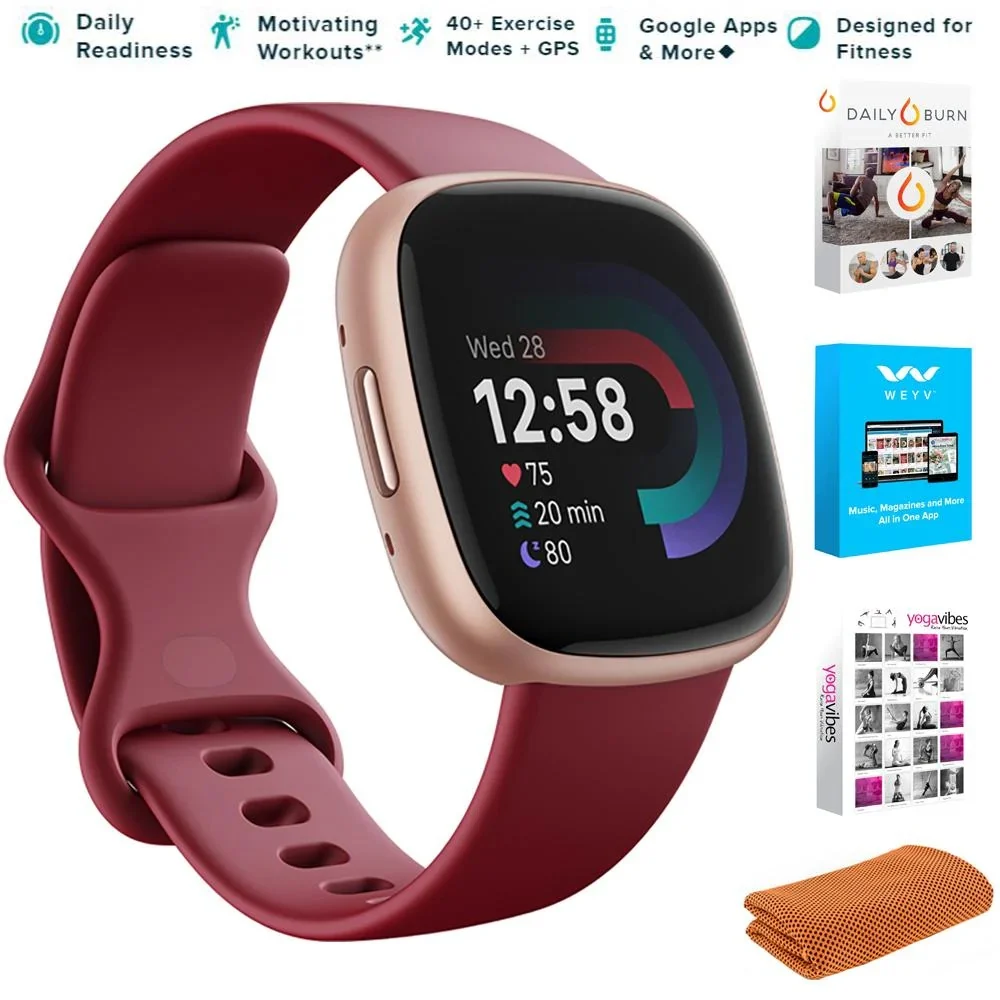
Fitbit Versa 4 — £199.95
Best for people who want a full smartwatch that doubles as a fitness tracker. The Versa 4 offers app store access, Spotify integration, phone notifications, and a larger 1.58-inch display compared to Charge 6's 1.04 inches. It's noticeably bulkier than the Charge 6, which matters if you wear it to sleep (which Fitbit recommends for sleep tracking). Battery lasts 6 days. Choose this if you want smartwatch convenience—notifications, app launching—alongside fitness data.
Quick Comparison
| Model | Price | Best For | Standout Feature | |-------|-------|----------|------------------| | Inspire 3 | £99.95 | Budget-conscious buyers | Built-in GPS at entry price | | Charge 6 | £159.95 | Fitness-first users | Google Wallet + ECG app | | Versa 4 | £199.95 | Full smartwatch users | Spotify control + app store |
What to Look For
- GPS capability: The Inspire 3 and Versa 4 both include GPS; the Charge 6 does not. If you run outdoors without your phone, GPS matters. Built-in GPS adds approximately £40-60 to the base price across Fitbit's range.
- Display size: Inspire 3 has a smaller display (1.1 inches), Charge 6 is mid-sized (1.04 inches), and Versa 4 is largest (1.58 inches). Larger screens are easier to read during workouts but less comfortable sleeping.
- Battery life expectations: All three last under 2 weeks per charge. The Inspire 3 reaches 10 days, making it the most practical if charging access is limited.
- Wrist size fit: The Inspire 3 comes in 38mm only. Charge 6 and Versa 4 come in multiple sizes depending on wrist circumference—verify dimensions before buying if you have very small or large wrists.
The Bottom Line
For most people, the Fitbit Charge 6 at £159.95 offers the best value: GPS, heart rate data, sleep tracking, and smartwatch features like Google Wallet without the bulk of a full smartwatch. If you want GPS at the lowest price, choose the Inspire 3 (£99.95). If you want notifications and app access, spend the extra £40 on the Versa 4 (£199.95). All three are legitimate fitness trackers—the choice is about feature depth, not quality.
Frequently Asked Questions
Is Fitbit good value for money?
Yes, particularly the Charge 6 and Inspire 3. Both include GPS and 24/7 heart rate monitoring at price points where many competitors charge extra for GPS alone. The Versa 4 is competitively priced against basic smartwatches from Garmin or Samsung in the same £199 bracket, though those offer more app variety.
Can I use Fitbit without a smartphone?
Fitbit devices work standalone for tracking—they'll record your steps, heart rate, and workouts without a phone nearby. However, you need a smartphone to set up the device initially and to sync data to the Fitbit app. GPS-equipped models (Inspire 3 and Versa 4) can record outdoor routes without your phone, but you'll upload the data to the app later.
How accurate is Fitbit's heart rate monitoring?
Fitbit's optical heart rate sensors are generally accurate during steady-state exercise (running, cycling) to within 5-10 bpm of a medical-grade monitor. Accuracy drops during high-intensity interval training or activities with vigorous arm movement. All three models use the same sensor technology, so accuracy doesn't differ between them.
Which Fitbit is best for sleep tracking?
All three models track sleep equally well using heart rate and movement data. However, the Inspire 3 is most practical for nightly sleep tracking because its smaller, lighter 38mm case is less noticeable on the wrist while sleeping. The Versa 4, being bulkier, may feel uncomfortable if you sleep on your side.