Which Fitbit Should You Buy? A Breakdown of Current Models Worth Your Money
If you're deciding between Fitbit's current lineup, the choice depends on whether you prioritise detailed fitness metrics, smartwatch functionality, or affordability. The Charge 6 (£129.95) offers the most comprehensive fitness tracking with an AMOLED screen; the Versa 4 (£149.95) adds full smartwatch features like apps and call notifications; the Inspire 3 (£99.95) delivers solid basics for daily step and sleep tracking without the premium price tag.
Why Fitbit?
Fitbit has dominated wearable fitness tracking since 2007, now owned by Google. The brand specialises in converting raw biometric data into actionable insights—their algorithms track heart rate variability, sleep staging (light, deep, REM), and SpO2 levels across consumer-friendly devices. Unlike smartwatch-first brands like Apple, Fitbit prioritises health metrics over notifications. All three current models sync seamlessly with Google Fit and offer 6-7 day battery life, a significant advantage over Apple Watch's single-day endurance.
Top Picks
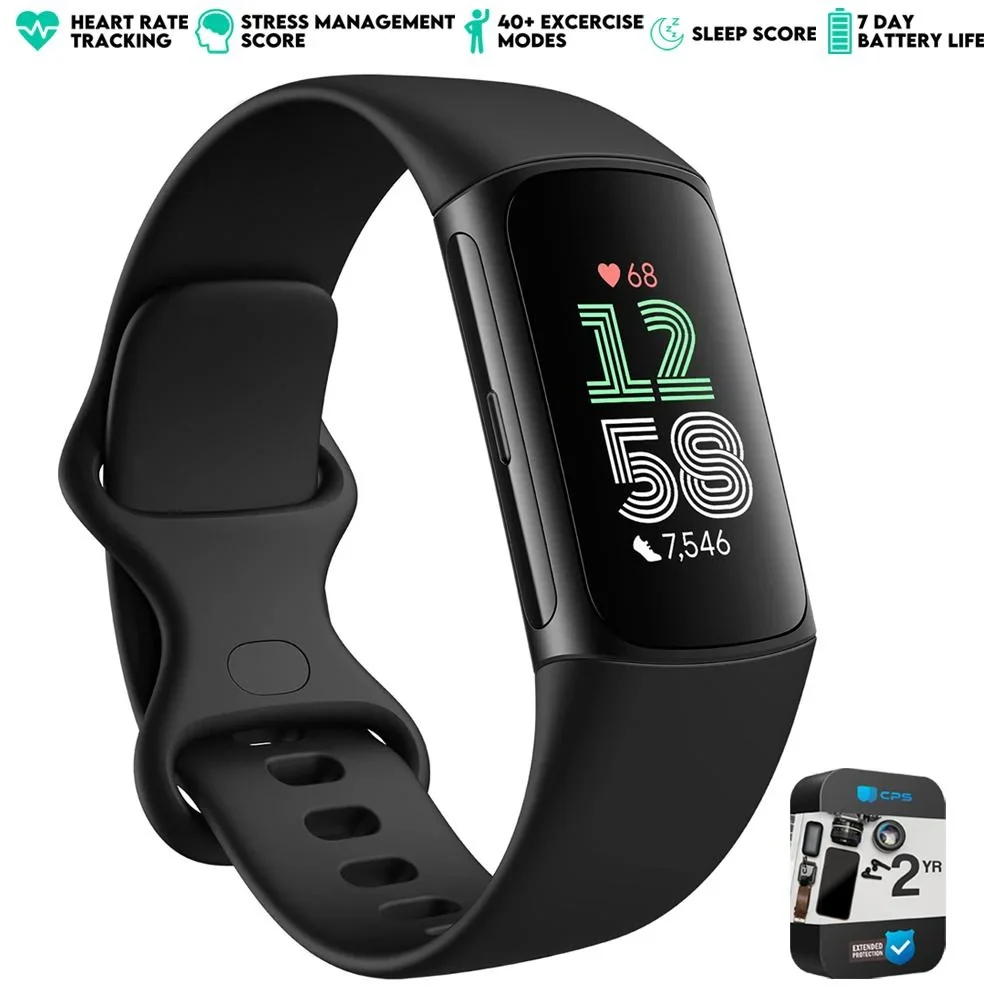
Google Fitbit Charge 6 Fitness Tracker — £129.95
Best for fitness enthusiasts who want detailed metrics without smartwatch bloat. The 1.4-inch AMOLED touchscreen is bright enough for outdoor use, GPS is built-in for route mapping, and the tracker captures 40+ exercise modes with automatic rep counting for strength training. The obsidian aluminium casing feels durable and weighs just 28g. SpO2 monitoring runs continuously, stress tracking uses EDA (electrodermal activity) sensors, and menstrual cycle tracking is included. No app ecosystem, but that keeps the interface focused.
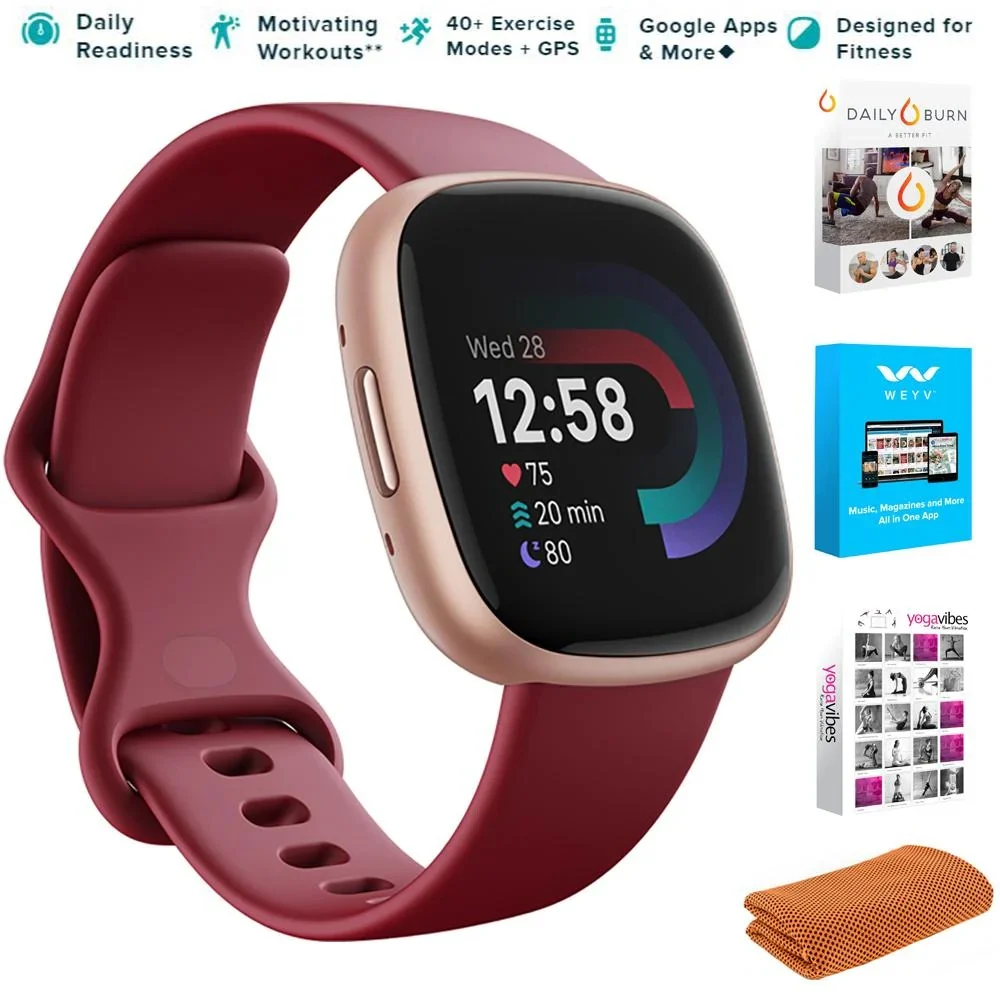
Google Fitbit Versa 4 Smart Watch — £149.95
Best for people who want fitness tracking plus everyday smartwatch convenience. The 1.58-inch AMOLED display is noticeably larger than the Charge 6, Bluetooth calls work through your wrist speaker/mic, and you can reply to texts with voice or quick responses. App support includes Spotify, Google Maps, and third-party fitness apps. Battery lasts 6 days even with heavier use. The pink sand copper rose aluminium case is the only aesthetic option in this range—if you need black, the Charge 6 is your choice. Sleep and exercise tracking quality matches the Charge 6, but the bigger screen and notification features justify the £20 premium.
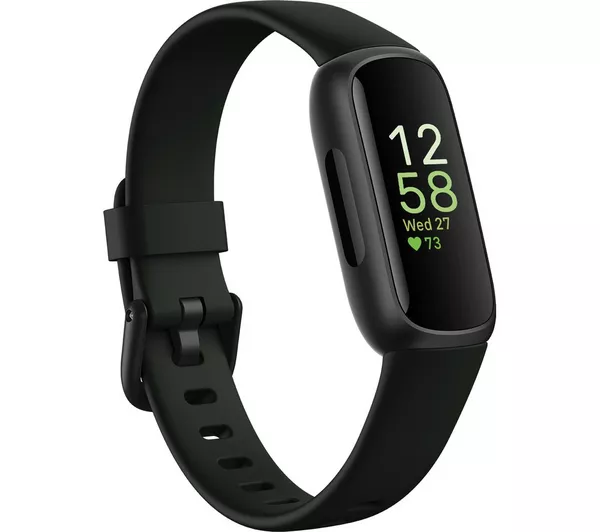
Fitbit Inspire 3 Smart Watch GPS — £99.95
Best for casual users and newcomers to fitness tracking. At 38mm, it's the smallest and lightest of the three (weighing 21g), making it ideal for smaller wrists or all-day comfort. GPS is onboard, so you can track running routes without your phone. The LCD display isn't as vibrant as AMOLED options, but battery stretches 10+ days—the longest endurance in this lineup. Heart rate, steps, calories, and sleep tracking all work reliably. No EDA stress sensor or blood oxygen tracking, and there's no app ecosystem. This is pure fitness tracking at entry-level price.
Quick Comparison
| Product | Price | Best For | Standout Feature | |---------|-------|----------|------------------| | Charge 6 | £129.95 | Fitness-focused tracking | AMOLED screen + automatic rep counting | | Versa 4 | £149.95 | Smartwatch + fitness combo | Bluetooth calling + app support | | Inspire 3 | £99.95 | Budget-conscious newcomers | 10+ day battery life |
What to Look For
- Screen type: AMOLED (Charge 6, Versa 4) is sharper and readable outdoors, but LCD (Inspire 3) drains battery slower. If you check your tracker dozens of times daily, invest in AMOLED.
- Battery endurance: Inspire 3 lasts 10+ days, Charge 6 and Versa 4 manage 6-7 days. Choose based on how often you're willing to charge—weekly charging is the Fitbit standard.
- Built-in GPS: All three have it. This matters if you run or cycle and don't want your phone. GPS drains roughly 1-2 days of battery per full-length run.
- Advanced metrics: Charge 6 and Versa 4 include SpO2 (blood oxygen), stress tracking via EDA sensors, and detailed sleep stages. Inspire 3 skips these—fine for basic health awareness, but limited for sleep analysis.
The Bottom Line
Buy the Fitbit Charge 6 (£129.95) if you want the best balance of metrics, battery life, and price—it's the most complete tracker without smartwatch overhead. If you need Bluetooth calls and app notifications, stretch to the Versa 4 (£149.95). For absolute beginners or small-wristed users on a tight budget, the Inspire 3 (£99.95) is solid entry point, though you sacrifice advanced health metrics for lower cost.
Frequently Asked Questions
Is Fitbit good value for money compared to Apple Watch?
Fitbit and Apple Watch serve different priorities. Fitbit excels at battery life (6-10 days vs. 1 day), detailed sleep/stress tracking, and fitness metrics—you'll pay less for more comprehensive health data. Apple Watch offers superior app ecosystem, cellular connectivity options, and tighter iOS integration. If health metrics matter most, Fitbit is better value; if you need full smartwatch power, Apple Watch justifies the cost.
Can I use Fitbit without a smartphone?
Partially. Fitbit trackers sync with a smartwatch-sized screen, but to see full data, set goals, and access insights, you need to pair with a smartphone (iOS or Android) or web app. The device itself tracks independently, but you won't get notifications or app features without connectivity. The Inspire 3 is the most self-contained option for basic step/calorie viewing on-wrist.
How accurate is Fitbit's heart rate and sleep tracking?
Fitbit's optical sensors are solid for resting heart rate (typically within 3-5 bpm of medical monitors) but less reliable during high-intensity exercise due to arm motion. Sleep tracking accuracy depends on stillness—deep sleep is usually correct, but light vs. REM differentiation can vary. Independent studies show Fitbit sleep staging is roughly 70-80% accurate compared to clinical sleep labs. For casual health awareness, it's reliable; for medical-grade data, use a smartwatch as a trend tool, not a diagnostic device.
Which Fitbit is best for swimming and water sports?
All three are water-resistant to 50m, safe for swimming. The Charge 6 and Versa 4 include dedicated swim-tracking modes counting laps and calories in pool workouts. The Inspire 3 also has swim tracking. Don't use any of them for diving—50m resistance means splash/shower safety, not sustained underwater pressure.