Which Bose Product Should You Buy? A Breakdown of Their Current Range
Bose's current range spans three categories: over-ear headphones, true wireless earbuds, and portable speakers. The Quietcomfort Ultra (2nd Gen) headphones lead for sound quality and isolation, the Quietcomfort Ultra earbuds suit commuters and gym-goers, and the Soundlink Plus speaker handles outdoor gatherings. Your choice depends on mobility needs and budget.
Why Bose?
Bose has specialised in noise-cancelling audio since 1964, when founder Amar Bose developed early active noise cancellation technology at MIT. They're known for three core strengths: industry-leading noise cancellation algorithms that reduce ambient sound by up to 30dB, proprietary speaker tuning that prioritises clarity over bass-heavy distortion, and consistent durability across price points. Unlike competitors who chase trendy features, Bose focuses on the listening experience itself. Their current products use custom-tuned drivers and refined active noise cancellation profiles that adapt to environment changes in real-time.
Top Picks
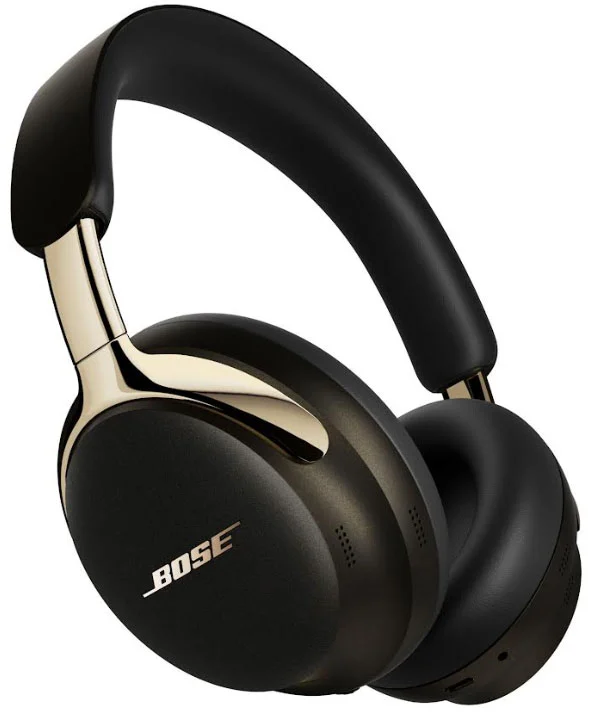
Bose Quietcomfort Ultra (2nd Gen) Wireless Noise Cancelling Headphones — £449.00
Best for: All-day listeners and office workers who prioritise isolation and comfort.
These over-ear headphones offer Bose's most aggressive noise cancellation with a custom acoustic seal that blocks 30-40dB of ambient sound. The 2nd Gen refresh adds improved Bluetooth 5.3 stability and adaptive audio modes that adjust to your environment. Battery life reaches 24 hours on a single charge, and the touch-sensitive ear cups control volume and playback without reaching for your phone. The memory-foam earcups support up to 8 hours of continuous wear without fatigue—a meaningful detail for desk workers. If you've experienced Bose's previous-gen models, the 2nd Gen tightens connection reliability and adds spatial audio support for compatible streaming services.
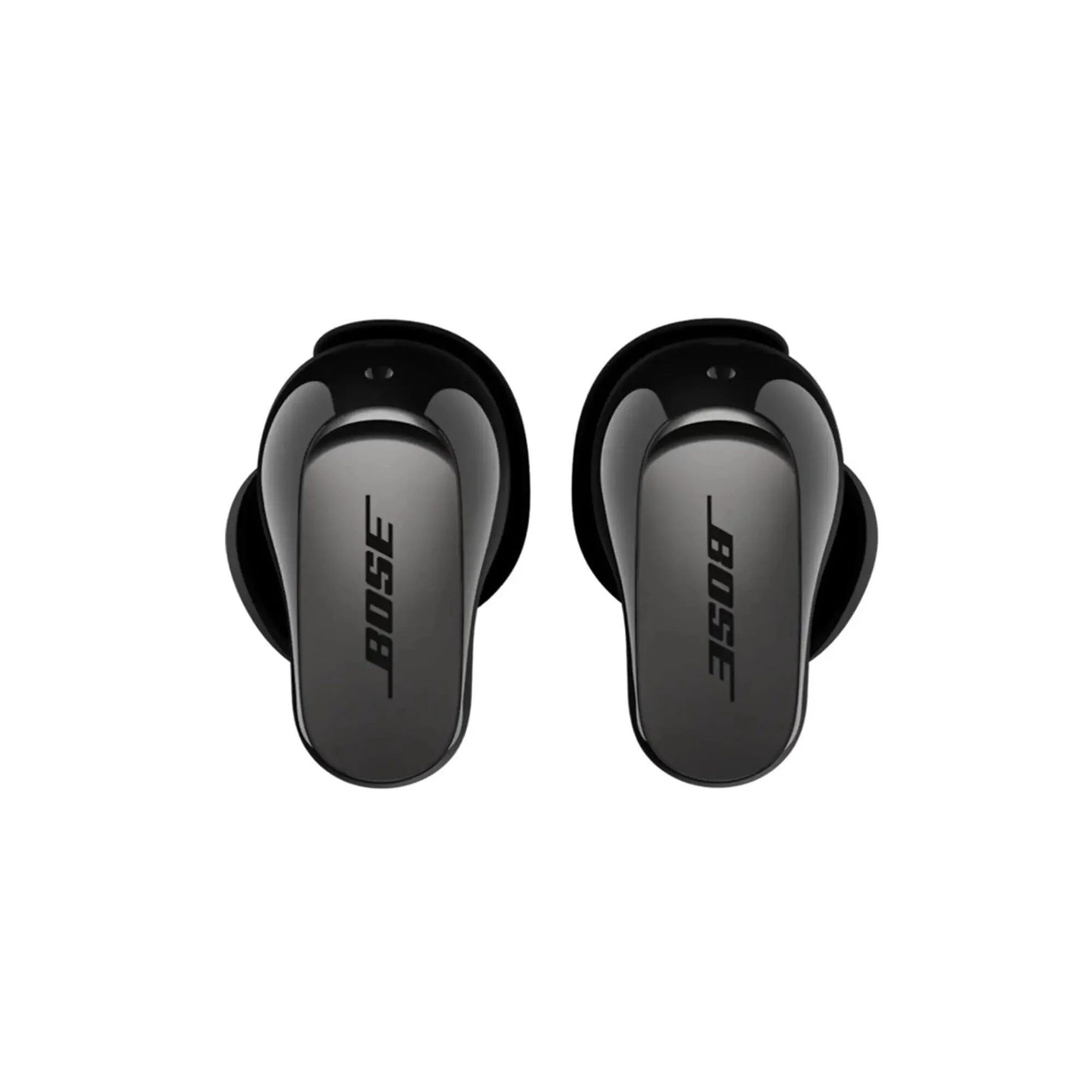
Bose Quietcomfort Ultra Wireless Active Noise Canceling Earbuds (2nd Gen) — £299.00
Best for: Commuters, gym sessions, and users who need buds they forget they're wearing.
These true wireless earbuds deliver 96% of the noise cancellation power of the over-ear model in a form factor you can pocket. Each bud weighs just 6.24g—light enough that they stay secure through running and head movement. The 6-hour battery per charge (plus case adds 18 hours) covers a full working day without recharge. Bose's CustomTune technology calibrates sound to your ear shape on first use, accounting for individual variation in ear canal acoustics. The touch controls work reliably in rain and sweat, and the semi-open design lets you hear announcements or traffic if you switch to Awareness Mode. These suit people who move between environments—office, commute, gym—without managing multiple devices.
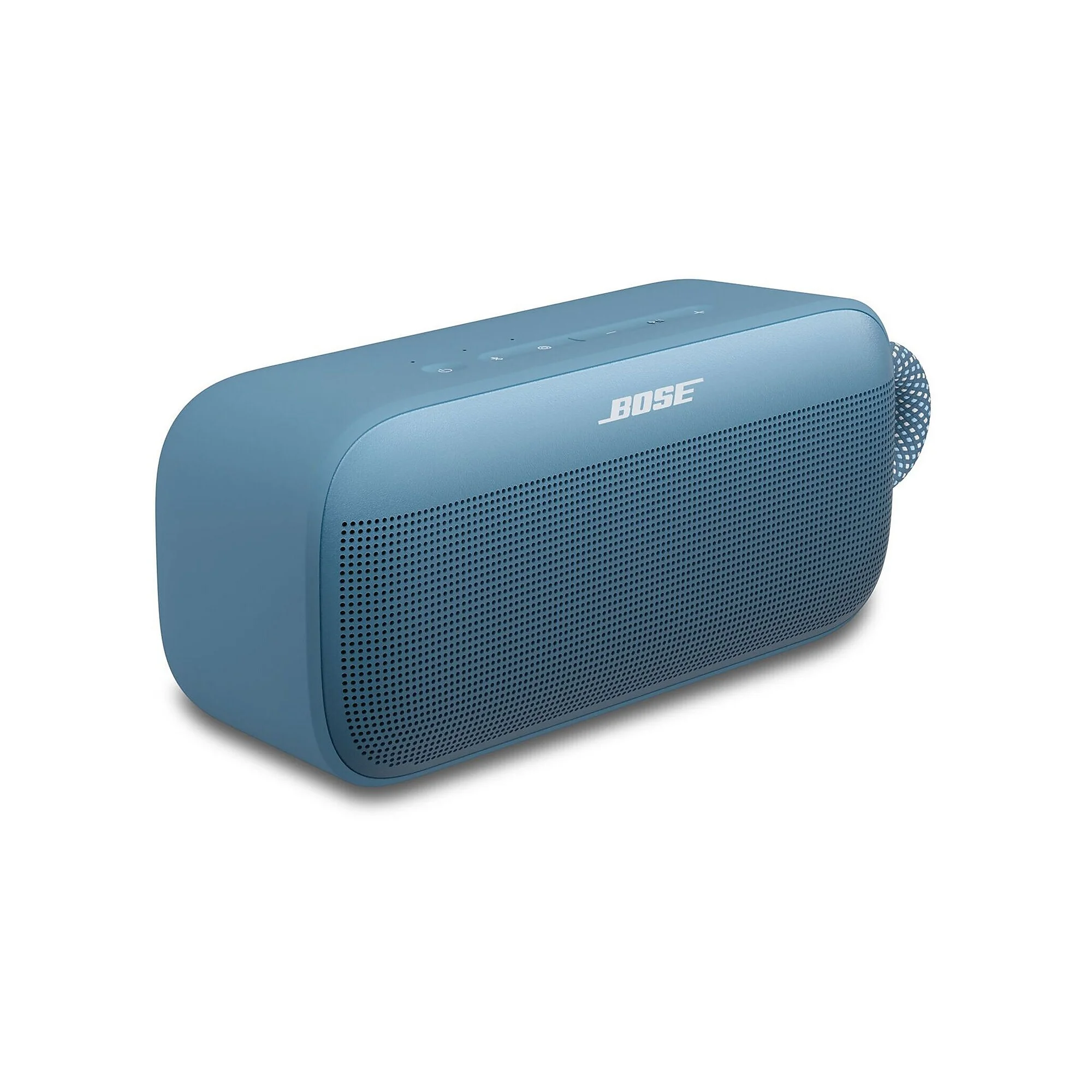
Bose Soundlink Plus Wireless Bluetooth Portable Speaker — £269.00
Best for: Garden gatherings, beach trips, and situations where group listening matters more than isolation.
This compact Bluetooth speaker (960g, fits in a backpack) uses dual passive radiators to project 360-degree sound outdoors. The 17-hour battery outlasts most portable speakers in its price range, and the IP67 waterproof rating survives submersion up to 1 metre for 30 minutes. Unlike the noise-cancelling products, this prioritises social listening—the SpectraFlow bass tuning produces room-filling sound without distortion at maximum volume. If you're choosing between headphones and a speaker for a group, the Soundlink Plus is the better social choice; it's not designed to isolate sound but to fill space.
Quick Comparison
| Product | Price | Best For | Standout Feature | |---------|-------|----------|------------------| | Quietcomfort Ultra (2nd Gen) Headphones | £449 | All-day isolation & work | 30-40dB noise cancellation; 24-hour battery | | Quietcomfort Ultra Earbuds (2nd Gen) | £299 | Commutes & workouts | 6.24g per bud; CustomTune calibration | | Soundlink Plus Speaker | £269 | Outdoor group listening | 17-hour battery; IP67 waterproof rating |
What to Look For
- Noise Cancellation Depth: Bose's active noise cancellation ranges from 30dB (speaker—none) to 30-40dB (over-ear headphones). If blocking crying babies or traffic is non-negotiable, the over-ear model delivers; earbuds offer 70% of that isolation in a smaller form.
- Battery Expectations: Over-ear headphones last 24 hours; earbuds offer 6 hours per charge plus 18 hours case storage; the speaker reaches 17 hours. Match this to your typical usage pattern (e.g., 8-hour office day favours the over-ear; intermittent gym sessions suit earbuds).
- Waterproofing for Environment: The speaker is IP67-rated (survives puddles); earbuds handle sweat and light rain but aren't submersible. If you swim regularly, neither Bose product is designed for that—you'd need a dedicated waterproof model.
- Comfort Duration: The over-ear model supports 8-hour wear; earbuds average 4-6 hours before fatigue. If you work 9-hour shifts, the headphones prevent mid-day discomfort; earbuds require a break or swap.
The Bottom Line
Buy the Quietcomfort Ultra (2nd Gen) headphones at £449 if you spend your day in noisy environments and need all-day isolation—they're Bose's premium offering and justify the price through noise cancellation depth and battery life. Choose the Quietcomfort Ultra earbuds at £299 if you need portability and don't mind shorter battery life between charges. Pick the Soundlink Plus speaker at £269 if you're hosting or gathering in groups where isolation isn't the goal. All three are built to last 3+ years with normal care, so any choice represents fair value for Bose's category position.
Frequently Asked Questions
Is Bose better than Sony or Sennheiser for noise cancellation?
Bose and Sony are roughly equivalent at the premium end—both deliver 30dB+ noise cancellation in over-ear models. Bose historically invented the category and tends toward more refined sound tuning; Sony emphasises feature breadth (touch controls, spatial audio) and slightly better battery longevity. Sennheiser focuses on mid-range options below £300. For isolation alone, Bose edges ahead; for overall feature set, Sony wins. The choice depends whether you prioritise pure ANC performance (Bose) or ecosystem features (Sony).
Do Bose products work with Android and iOS equally well?
Yes. All three products use standard Bluetooth 5.3 and work identically on Android and iOS. Bose's companion app functions the same across platforms, offering equaliser adjustments, firmware updates, and touch-control customisation. There's no platform preference or limitation.
How long do Bose products typically last before they fail?
Bose headphones and earbuds typically last 3-5 years with normal use (daily wear, occasional drops on carpet, regular charging). The battery capacity degrades to 80% after roughly 500 charge cycles—typically 18-24 months of daily use. The speaker, with fewer moving parts, often lasts 5+ years. Bose offers a 2-year warranty covering manufacturing defects; AppleCare-style extended protection isn't available, but many retailers offer optional accidental damage cover for £30-50.
Are there cheaper Bose alternatives if these are outside my budget?
Bose's product line is narrow—these three products represent their current offer. If your budget is under £269, you'd need to look at previous-generation models (Quietcomfort 45 headphones, original Quietcomfort Earbuds) from refurbished sellers, or consider competitors like Anker's Soundcore or JBL's Tour Pro 2 in the £80-200 range. Those trade noise cancellation depth and sound refinement for lower cost; they're reliable but not Bose-class isolation.