Which ASUS Gaming Keyboard Should You Buy? A Comparison of Their Top Models
ASUS makes three compelling gaming keyboards at different price points: the budget-friendly TUF Gaming K1 at £49.99, the mid-range ROG Azoth Wireless at £207.99, and the premium ROG Azoth Extreme at £249.99. Your choice depends on whether you prioritise cost, wireless convenience, or mechanical precision — but all three deliver solid performance for their respective positions.
Why ASUS?
ASUS, founded in 1989, has built its reputation on high-performance gaming and computing hardware. The company specialises in mechanical keyboards through its ROG (Republic of Gamers) subsidiary, combining ergonomic design with durable construction. What sets ASUS apart is their attention to switch quality — most ROG models use proprietary or premium third-party switches — and their commitment to wireless stability, which matters for competitive gaming where latency can affect performance. Their TUF line balances affordability with reliability, making gaming peripherals accessible to budget-conscious players without cutting essential corners.
Top Picks
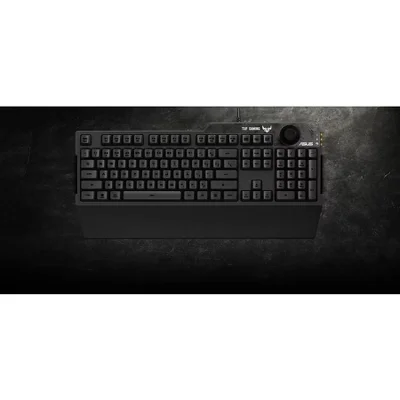
ASUS TUF Gaming K1/CA RGB Wired Keyboard — £49.99
Best for gamers on a tight budget who still want RGB lighting and responsive keys. The K1 delivers wired stability and customisable RGB zones at an entry-level price point, making it ideal for casual players and esports fans who don't need wireless convenience. Wired connection eliminates any latency concerns, and the rubber dome construction prioritises durability over mechanical feel.
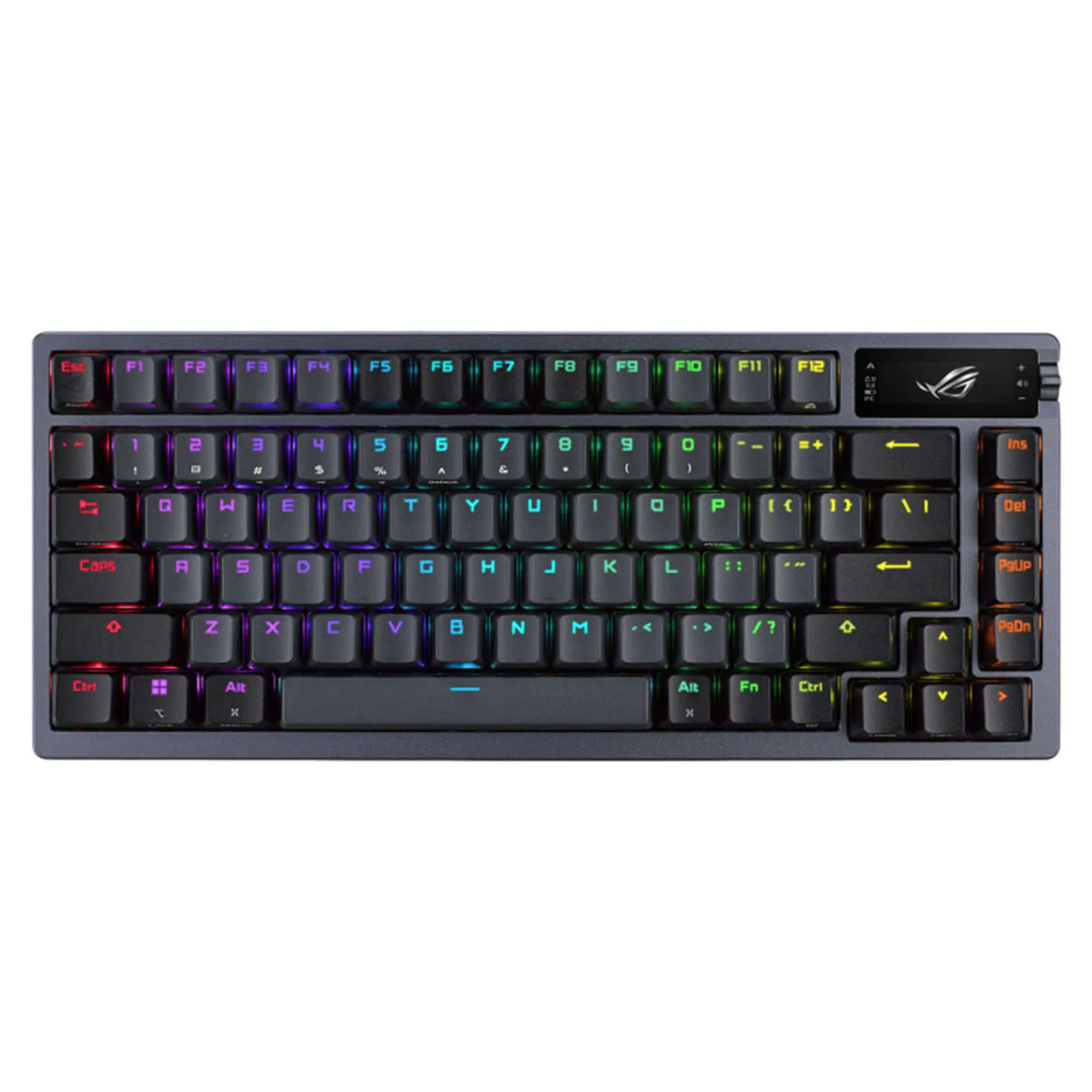
ASUS ROG Azoth Wireless Ergonomic Gaming Mechanical Keyboard, Black — £207.99
Best for players seeking wireless mechanical performance without premium pricing. This model combines hot-swappable mechanical switches with a wireless connection (2.4GHz or Bluetooth), plus an ergonomic wrist rest that reduces strain during long sessions. The mid-range price makes it the sweet spot for serious gamers who want mechanical quality with the freedom of wireless play.
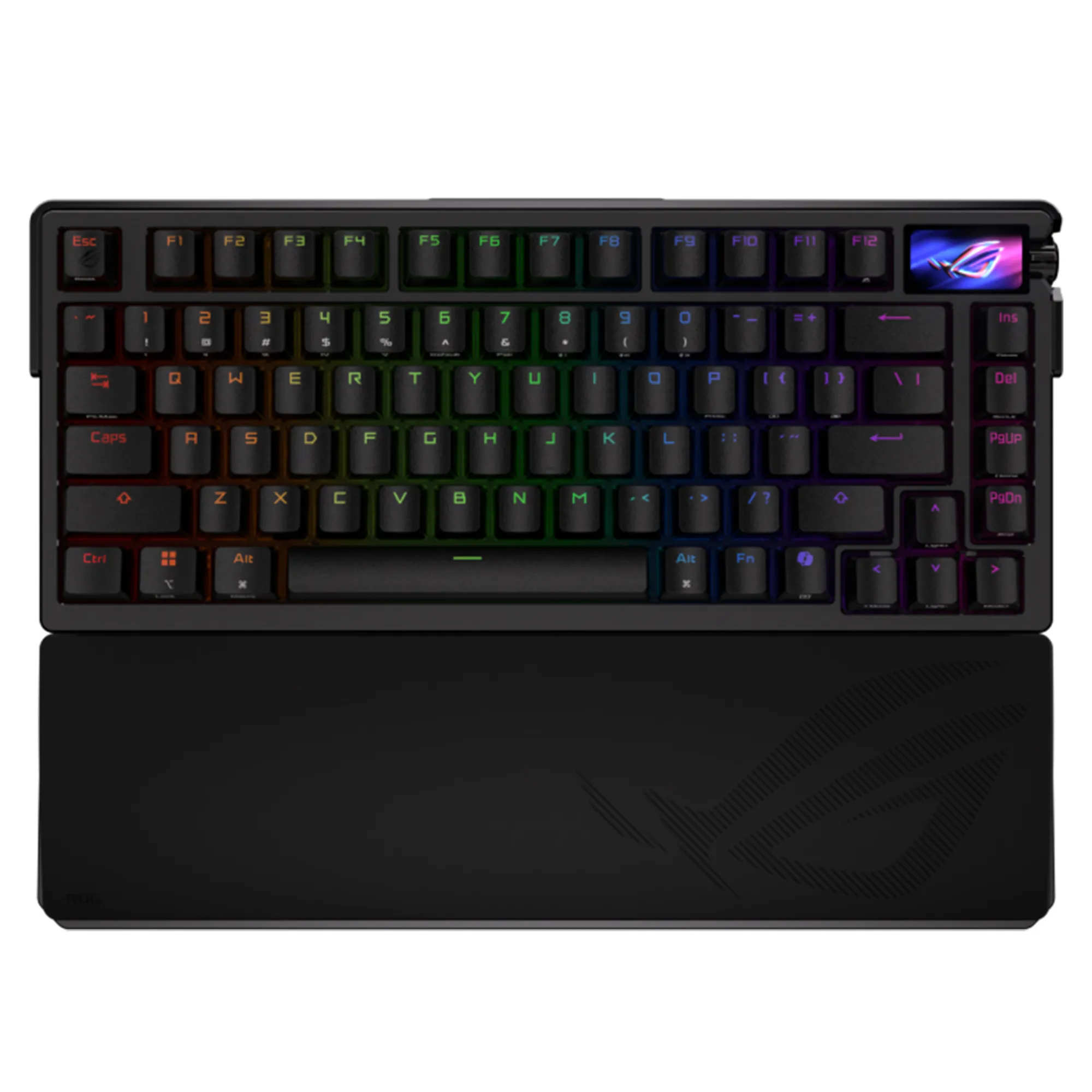
ASUS ROG Azoth Extreme Wired/Wireless Mechanical Keyboard – NX Storm — £249.99
Best for competitive gamers and enthusiasts who want maximum flexibility and premium build. The Extreme edition adds wired capability (eliminating any wireless lag), dual wireless modes (2.4GHz and Bluetooth), and NX Storm mechanical switches tuned for rapid actuation. The dual-mode connectivity means you can switch between wireless convenience and wired reliability depending on your gaming context.
Quick Comparison
| Model | Price | Switch Type | Connection | Best For | Standout Feature | |-------|-------|-------------|-----------|----------|------------------| | TUF Gaming K1/CA | £49.99 | Rubber Dome | Wired Only | Budget Gaming | RGB Customisation | | ROG Azoth Wireless | £207.99 | Mechanical (Hot-Swappable) | Wireless 2.4GHz/Bluetooth | Mid-Range Builders | Ergonomic Wrist Rest | | ROG Azoth Extreme | £249.99 | NX Storm Mechanical | Wired + Wireless Dual-Mode | Competitive Play | Maximum Connectivity Options |
What to Look For
- Switch Type: Mechanical switches (found on ROG models) offer individual keypress feedback and faster actuation (typically 50-60ms) compared to rubber dome switches. If you play fast-paced games like FPS titles, mechanical is worth the upgrade.
- Connection Stability: Wired eliminates latency entirely (critical for esports), while dual-mode keyboards like the Azoth Extreme let you choose based on context. 2.4GHz wireless is faster than Bluetooth for gaming (typically 1-5ms lag).
- Ergonomics: The ROG Azoth Wireless includes a detachable wrist rest; the K1 does not. For sessions over 4 hours, an ergonomic design reduces hand fatigue and improves aim consistency.
- Customisation: Hot-swappable mechanical switches (Azoth models) let you swap individual keys without soldering, while the K1's fixed rubber domes can't be modified — factor this in if you plan to upgrade switches later.
The Bottom Line
For most gamers, the ASUS ROG Azoth Wireless at £207.99 offers the best balance of mechanical performance, wireless convenience, and ergonomic comfort. If budget is tight, the TUF Gaming K1 at £49.99 delivers surprising value for casual play; if you're competitive and want maximum flexibility, the ROG Azoth Extreme at £249.99 justifies its premium through dual-mode connectivity and faster switches. All three are reliable choices — your decision should rest on whether you prioritise cost, wireless freedom, or professional-grade performance.
Frequently Asked Questions
Is ASUS good value for money in gaming keyboards?
Yes, ASUS offers strong value across three distinct price tiers. The TUF line proves competitive gaming gear doesn't require premium pricing, while the ROG Azoth models balance mechanical quality with wireless reliability better than many competitors at similar price points. You're paying for switch durability and ergonomic design, not just branding.
Should I buy a wireless or wired gaming keyboard?
Wired keyboards eliminate any latency (critical for esports), but modern 2.4GHz wireless keyboards like ASUS's ROG models introduce only 1-5ms lag, which is imperceptible for most players. Choose wireless if you value desk space and flexibility; choose wired if you play competitive shooters where every millisecond matters, or if you want maximum reliability in tournaments.
What's the difference between the ROG Azoth Wireless and the Azoth Extreme?
The Extreme adds wired connectivity (so you can plug in when needed), faster NX Storm mechanical switches, and dual-mode wireless (2.4GHz plus Bluetooth). The Wireless-only Azoth is lighter on the wallet (£42 cheaper) but loses the wired fallback. Choose Extreme if you play competitively and want zero-compromise connectivity.
Are hot-swappable mechanical switches worth the extra cost?
Yes, if you think you'll customise your keyboard beyond factory settings. Hot-swappable switches let you change individual keys without tools or soldering, so you can experiment with different tactile feels, actuation speeds, or upgrade to better switches down the line. The TUF K1's fixed rubber domes can't be modified, which limits long-term flexibility.