Which Asics Running Shoes Should You Buy? Here's Our Top Picks
Asics running shoes deliver reliable cushioning and stability at competitive prices. The GT 2000 14 (£119.84) is the standout for balanced performance, the Gel-Nimbus 27 (£110.00) excels for maximum comfort, and the GT-2160 Illusion Blue (£45.00) offers exceptional value if you're not chasing the latest tech.
Why Asics?
Asics was founded in 1949 in Kobe, Japan, and specialises in running footwear and sportswear engineered for biomechanical efficiency. The brand is known for three core technologies: Gel cushioning (shock absorption), Flytefoam (lightweight midsole), and Guidance Trusstic (medial support for overpronators). Unlike lifestyle brands dabbling in running, Asics invests heavily in laboratory testing and athlete feedback—most models undergo 10,000+ kilometres of real-world testing before release. Their shoes typically sit in the mid-to-premium range (£90–£180), targeting serious recreational runners rather than casual joggers.
Top Picks
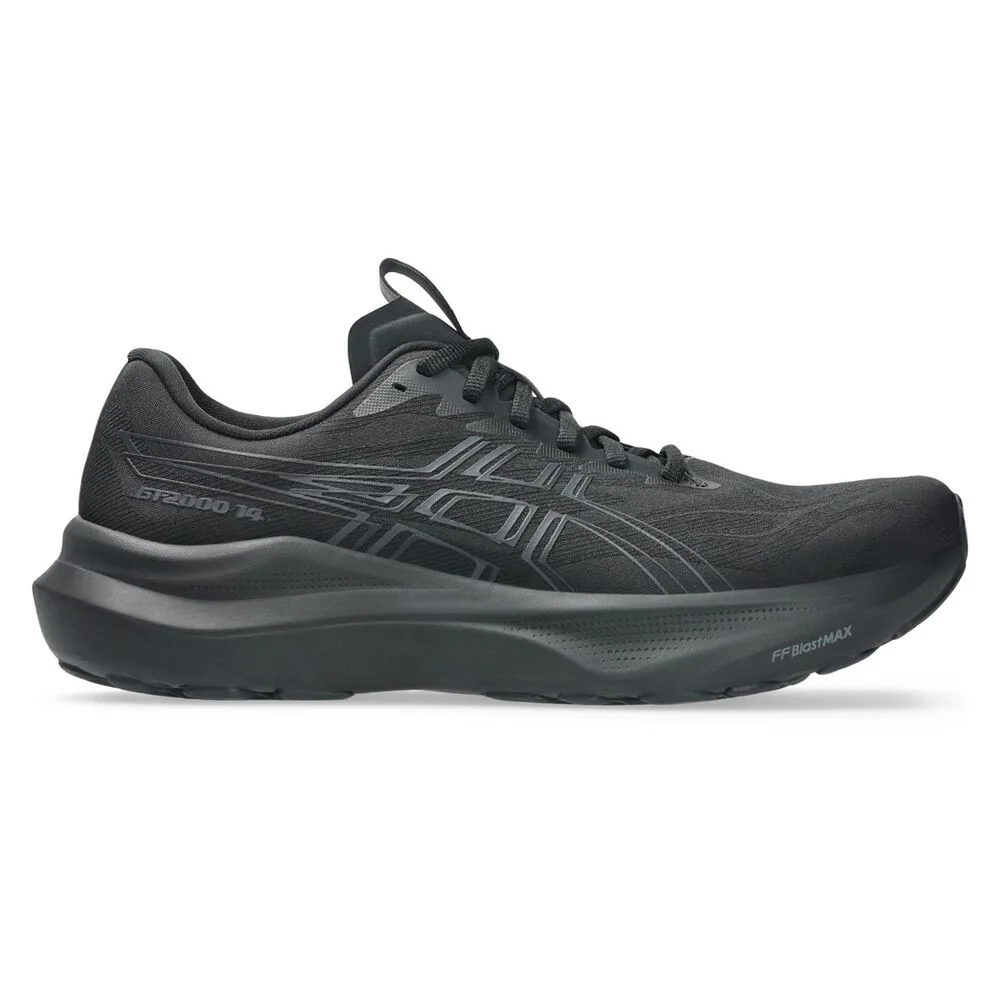
Asics GT 2000 14 Mens Running Shoes — £119.84
Best for: Overpronators seeking stability and everyday training support. The GT 2000 series is Asics's workhorse stability shoe, combining Gel cushioning in the forefoot and rearfoot with a reinforced medial post to control inward foot roll. It's heavier than pure racing shoes (~280g) but designed for 160–240 km of training before noticeable wear. Ideal if you log 25–40 km per week.
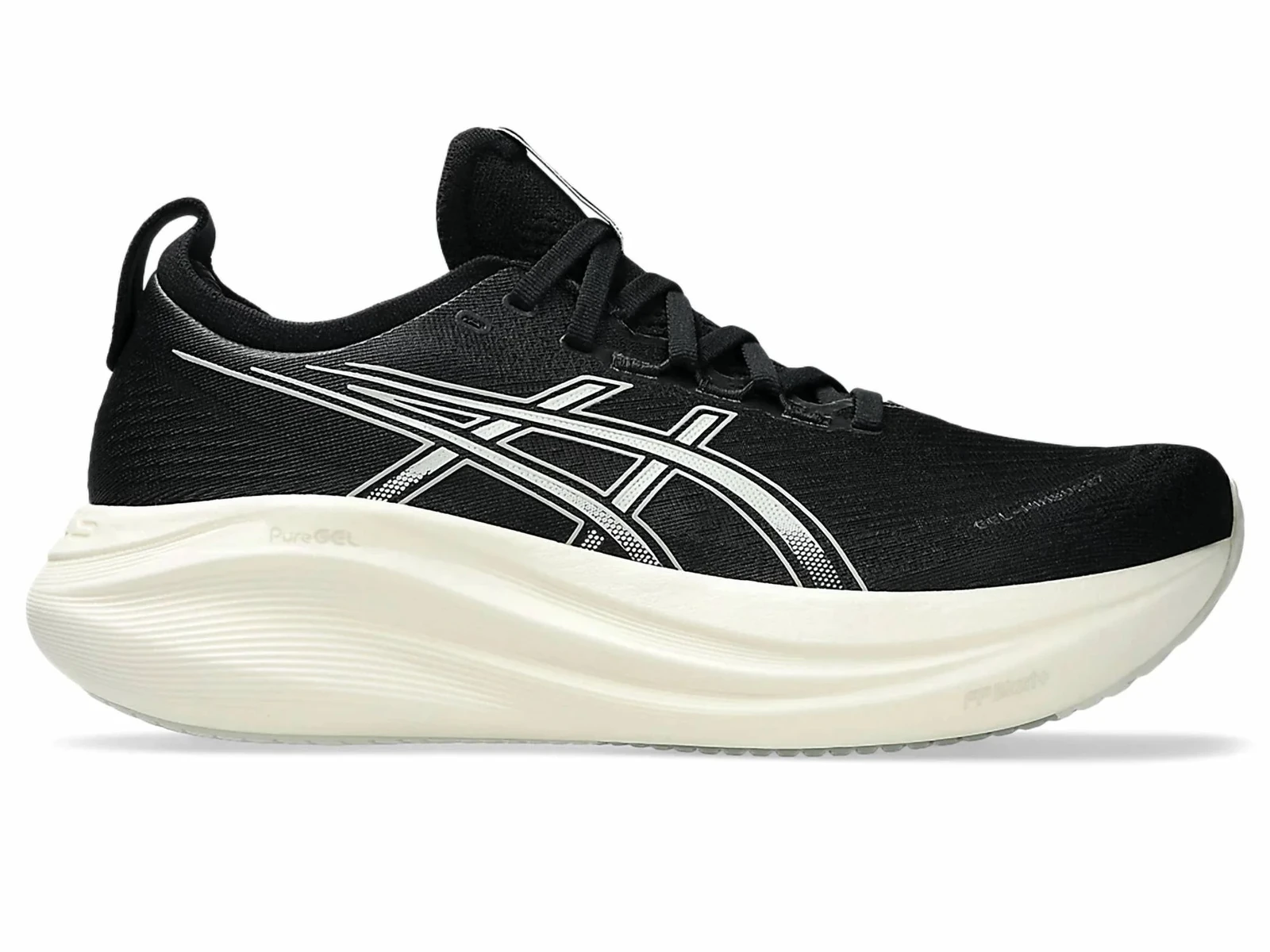
Asics Gel-Nimbus 27 Shoes — £110.00
Best for: Comfort-first runners on longer, slower sessions. The Nimbus series prioritises plush cushioning over responsiveness—Gel is deployed across the entire midsole for maximum impact protection. At approximately 290g, it's one of Asics's heaviest daily trainers, making it unsuitable for speed work but excellent for recovery runs and runners over 85 kg seeking joint protection.
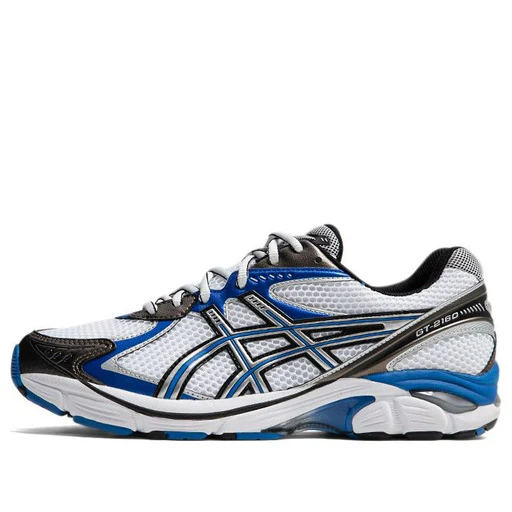
Asics GT-2160 Illusion Blue — £45.00
Best for: Budget-conscious runners or casual gym use. This is a previous-generation stability shoe marked down to clear. It still features Gel cushioning and guidance trusstic support, but lacks the newer Flytefoam refinements found in the GT 2000 14. Expect less responsiveness and potentially quicker cushioning degradation, but the core stability features remain solid for walking, light jogging, or cross-training.
Quick Comparison
| Product | Price | Best For | Standout Feature | |---------|-------|----------|------------------| | GT 2000 14 | £119.84 | Stability training | Dual Gel + Guidance Trusstic support | | Gel-Nimbus 27 | £110.00 | Maximum cushioning | Full-length Gel midsole | | GT-2160 Illusion Blue | £45.00 | Budget/casual use | Previous-gen stability at clearance price |
What to Look For
- Pronation type: The GT 2000 14 is designed for overpronators (inward foot roll > 15°); the Gel-Nimbus 27 is neutral-to-overpronator. If you supinate (outward roll), neither suits you—look elsewhere in Asics's range.
- Cushioning durability: Asics Gel typically lasts 480–640 km before noticeable softness loss. If you run 50+ km weekly, budget a new pair every 10–13 weeks.
- Weight and speed: The GT 2000 14 at ~280g is suitable for easy/moderate paces (5:30–7:00 min/km); the Nimbus 27 at ~290g is strictly for recovery (7:00+ min/km). Neither is designed for tempo or interval work.
- Fit consistency: Asics runs true-to-size in most models, but the GT 2000 14 has a slightly narrower toe box than the Nimbus 27—consider half a size up if you have wide forefeet.
The Bottom Line
Buy the GT 2000 14 at £119.84 if you're a recreational runner logging 25–40 km weekly and need stability. It strikes the best balance between cushioning, support, and performance without premium pricing. If comfort over speed is your priority and budget allows, the Gel-Nimbus 27 (£110.00) is nearly as good for £9.84 less. The GT-2160 (£45.00) is a bargain for light use but shouldn't be your primary trainer if you run regularly.
Frequently Asked Questions
Is Asics good value for money?
Yes, Asics typically offers better value than Nike or Brooks at the same price point. The brand's mid-range shoes (£90–£140) include proven technologies like Gel cushioning and structured support that most competitors only add at £160+. However, you're paying for stability and durability, not brand prestige.
How long do Asics running shoes last?
Asics shoes typically last 480–640 km before cushioning noticeably softens—roughly 10–16 weeks for a runner doing 50 km weekly. The GT 2000 14's rubber outsole may last longer (600+ km), while the Gel-Nimbus 27's softer compound wears faster in high-impact zones.
Are Asics better for flat feet or high arches?
Asics specialises in flat feet and overpronation support through the GT and Foundation ranges, which include medial posts and firmer midsoles. If you have high arches (supination), Asics's neutral cushioned shoes like the Nimbus work better, but dedicated supination shoes are limited—Brooks or ASICS's own Novablast might suit you better.
Can I use Asics running shoes for gym workouts or cross-training?
The GT 2000 14 and Gel-Nimbus 27 are designed for forward-motion running and aren't ideal for lateral movement (required in court sports or CrossFit). For gym work, the GT-2160 or any lightweight Asics trainer is acceptable, but dedicated cross-training shoes offer better ankle support. Both are fine for stationary cycling or elliptical machines.