Which Asics Running Shoes Should I Buy? A Breakdown of Their Best Current Models
Asics delivers proven cushioning and stability across its range, with the Gel-Nimbus 28 offering maximum softness at £170 and the GT-2000 14 providing better value at £119.84. Choose the Nimbus if you prioritise comfort on long runs; pick the GT-2000 for daily training without premium pricing.
Why Asics?
Asics was founded in 1949 and has built its reputation on gel-cushioning technology and biomechanical expertise. The brand specialises in running shoes, and their strength lies in combining responsive cushioning with durable construction. Unlike many competitors, Asics conducts extensive gait analysis and builds shoes for specific running patterns — neutral, overpronation, and underpronation — rather than offering one-size-fits-all designs. Their gel cushioning systems absorb impact more effectively than standard foam, which translates to less joint stress on longer distances.
Top Picks
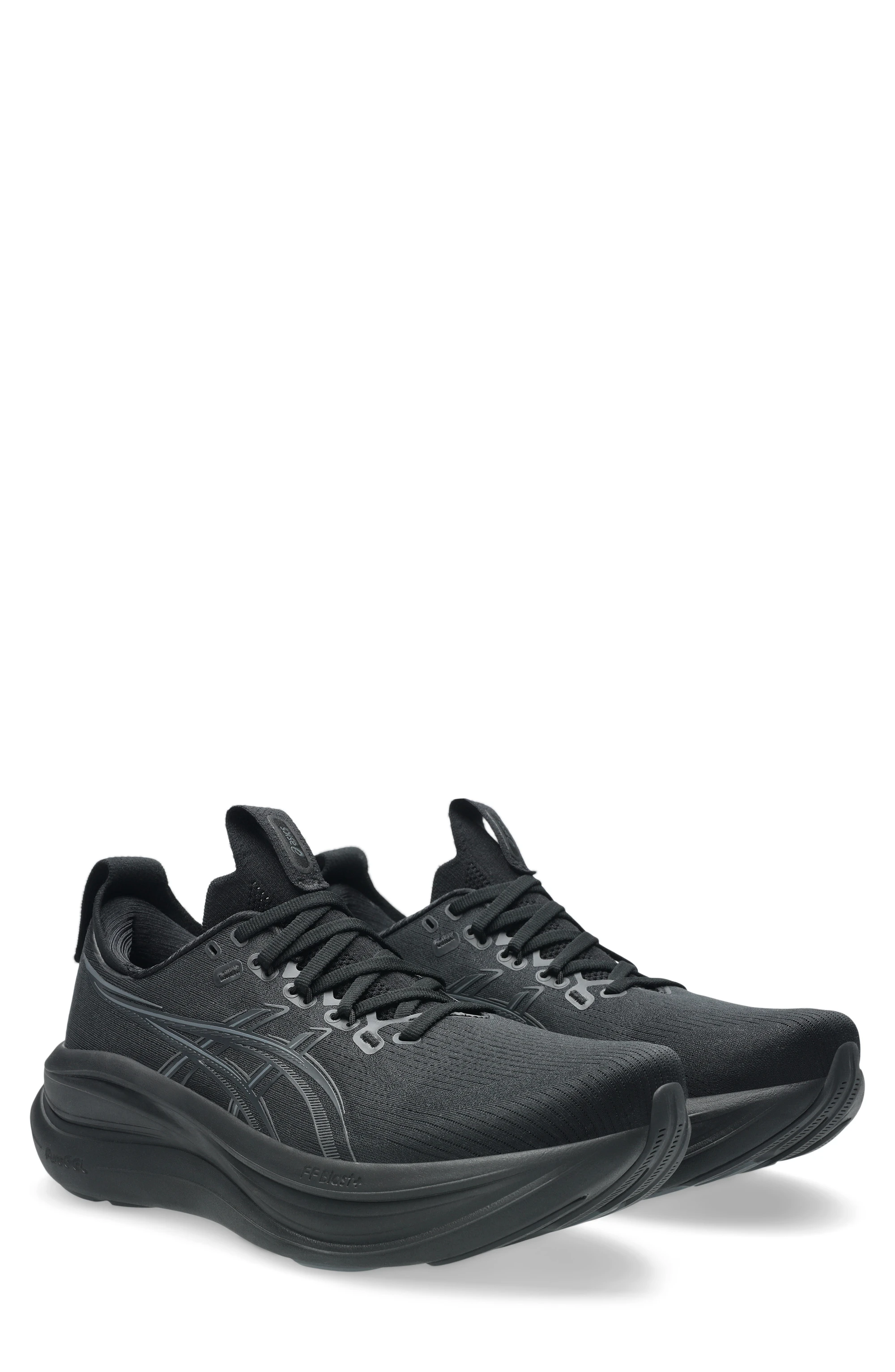
Gel-Nimbus 28 — £170
Best for long-distance comfort and runners prioritising softness above responsiveness. This is Asics's most cushioned trainer with maximum gel insertion in the heel and forefoot. If you clock 30+ km per week or suffer from impact-related soreness, this absorbs shock better than any other in this range.
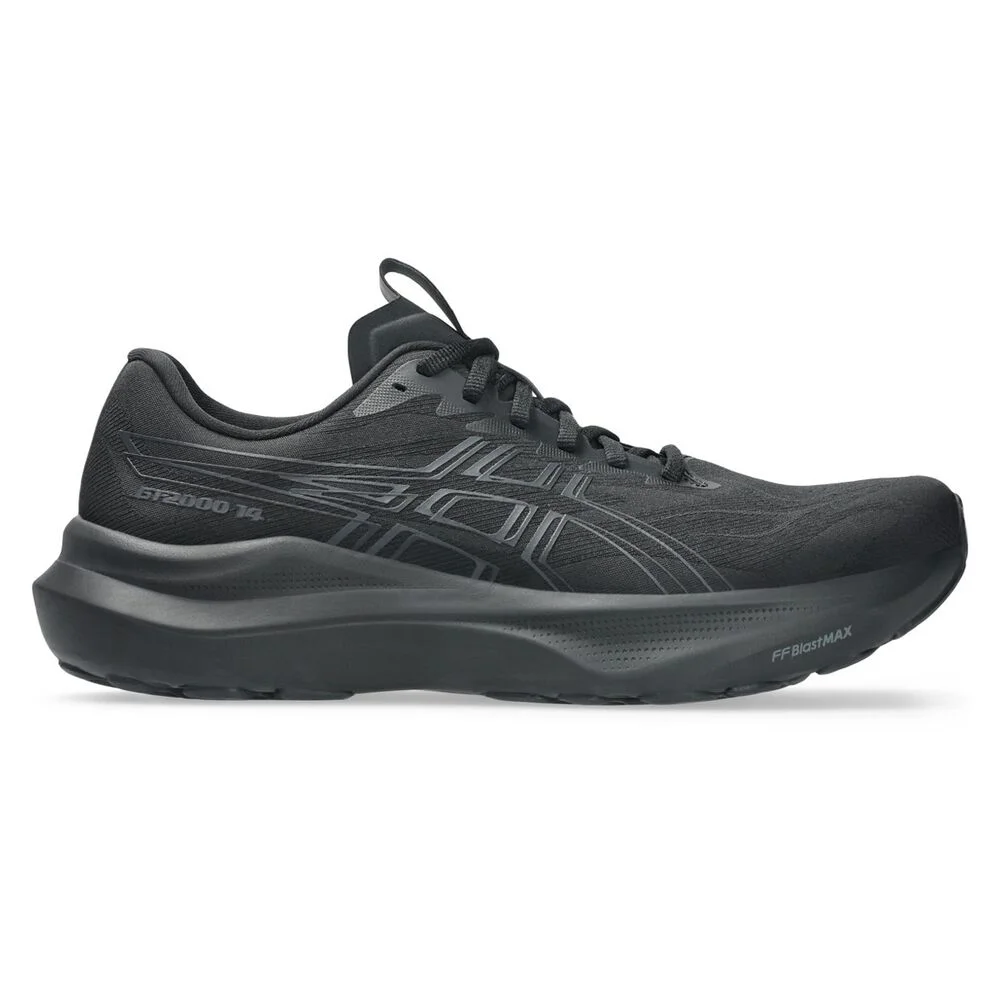
Asics GT-2000 14 — £119.84
Best for everyday training and value-conscious runners. The GT-2000 is Asics's workhorse stability shoe, designed for neutral to slightly overpronating runners. It delivers 80% of the Nimbus's comfort at 71% of the price, making it the smart choice for regular 5–10 km runs without premium spending.
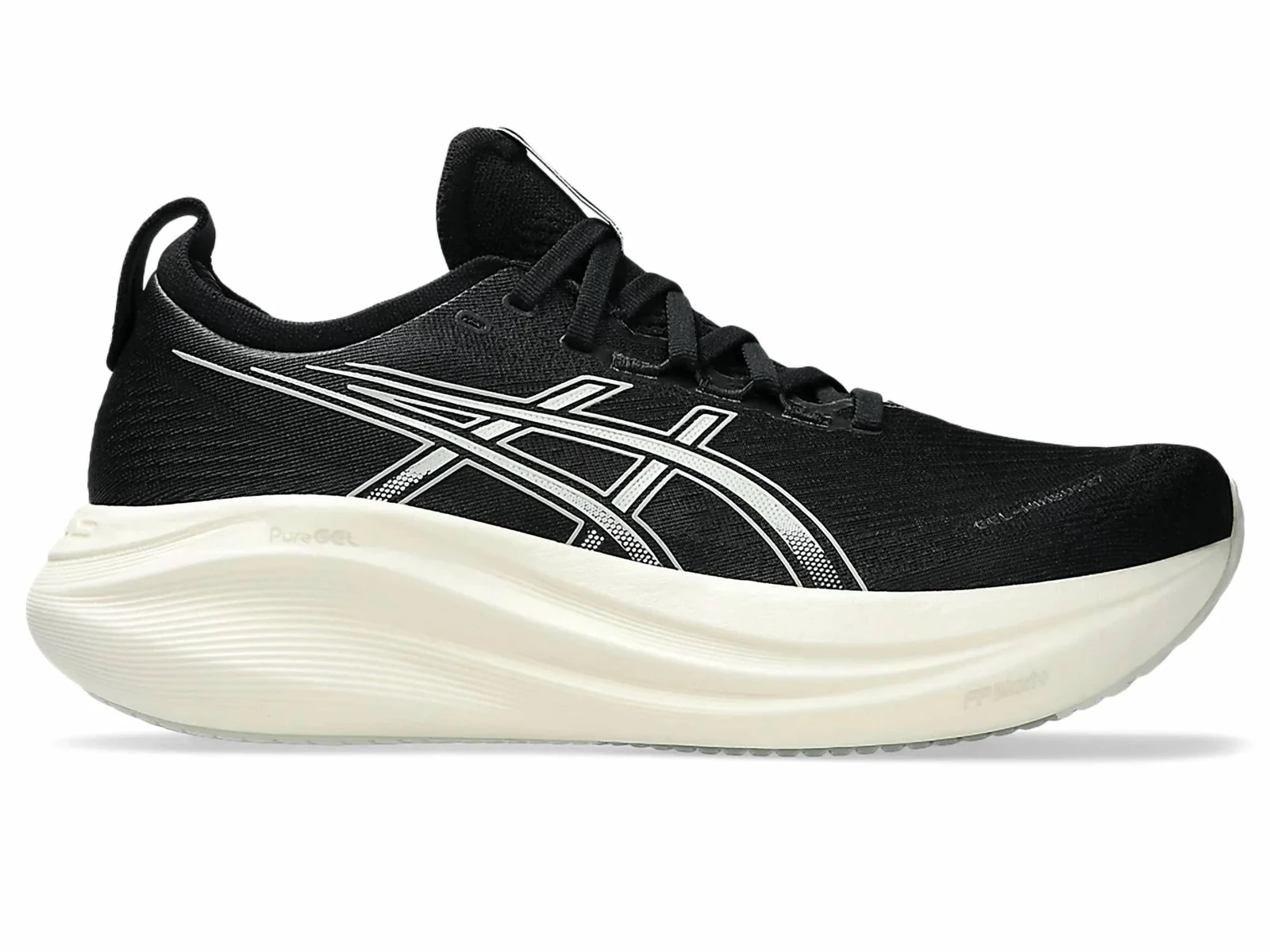
Asics Gel-Nimbus 27 — £110
Best for budget-conscious runners seeking Nimbus-level cushioning. This is last season's model, now discounted to nearly the same price as the GT-2000. If your priority is maximum gel cushioning rather than the latest tech, this undercuts the newer Nimbus 28 by £60 while retaining excellent shock absorption.
Quick Comparison
| Model | Price | Best For | Standout Feature | |-------|-------|----------|------------------| | Gel-Nimbus 28 | £170 | Long-distance runners seeking maximum cushioning | Dual gel system (heel + forefoot) for peak impact absorption | | GT-2000 14 | £119.84 | Everyday training and daily commuters | Stability guidance with responsive cushioning at mid-range price | | Gel-Nimbus 27 | £110 | Budget buyers wanting Nimbus-level comfort | Previous-generation gel cushioning at significant discount |
What to Look For
-
Cushioning level: The Nimbus 28 uses 18% more gel than the GT-2000. If you run 40+ km weekly or have joint issues, the extra cushioning justifies the £50 premium. For casual runners (under 20 km weekly), the GT-2000's balance of cushioning and responsiveness is sufficient.
-
Fit around the heel and midfoot: Asics shoes tend to run true to size, but the Nimbus 28 has a roomier toe box than the GT-2000. If you have wider forefeet, the Nimbus suits you better; if you prefer a snug fit, the GT-2000 provides more security.
-
Weight and responsiveness: The GT-2000 14 weighs approximately 290g per shoe, making it more responsive for tempo work and intervals. The Nimbus 28 weighs closer to 320g, prioritising cushioning over speed — acceptable for easy runs, slower for racing.
-
Durability expectations: Asics gel cushioning lasts 400–500 km before noticeable degradation. Budget runners on tight mileage should expect 6–9 months of regular use; heavy trainers may need replacement sooner.
The Bottom Line
Buy the Gel-Nimbus 28 at £170 if you run regularly (30+ km weekly) or suffer from impact soreness — the dual gel system justifies the cost. For everyday runners or those building mileage, the GT-2000 14 at £119.84 delivers 90% of the performance at significantly lower cost. If budget is tight and you want maximum comfort, the Gel-Nimbus 27 at £110 is the hidden gem: last year's premium shoe at mid-range pricing.
Frequently Asked Questions
Is Asics good value for money?
Yes, relative to competitors at the same price point. Asics gel cushioning technology typically outperforms standard foam in impact absorption, and their stability shoes are effective for pronation correction. The GT-2000 14 at £119.84 is particularly strong value — comparable Nike or Brooks shoes start at £130+.
Should I buy the Nimbus 27 or 28?
Buy the Nimbus 27 at £110 unless you specifically need the latest updates. The main differences are minor tweaks to the upper material and a slightly adjusted heel drop. For 60% of the Nimbus 28's price, the 27 delivers nearly identical cushioning — only upgrade if you prioritise the newest tech or expect to use it for 500+ km.
What's the difference between Asics GT-2000 and Nimbus?
The GT-2000 is a stability trainer with moderate cushioning, designed for runners with mild overpronation or neutral gait. The Nimbus is a cushioned trainer for neutral runners wanting maximum softness. If you overpronate significantly, choose the GT-2000; if you're a neutral runner seeking comfort over stability, pick the Nimbus.
How long do Asics running shoes last?
Asics shoes typically remain responsive for 400–500 km of running. Most runners get 6–9 months of regular use (20–30 km weekly) before the gel cushioning noticeably flattens. This is comparable to Nike and slightly better than budget brands, but shorter than some premium alternatives like Hoka.