Which Apple Speaker Should You Buy? HomePod vs HomePod Mini vs Beats
Apple's audio lineup offers something for every budget, but the real question isn't which is "best"—it's which suits your home setup and listening habits. The HomePod 2nd Generation (£295–£299) is the premium all-rounder, the HomePod Mini (£79.99) is the smart home hub everyone should consider, and the Beats Pill (£129.95) is the portable option if you value mobility over ecosystem integration.
Why Apple?
Apple has dominated the consumer electronics market since 1976, but its audio strategy is relatively recent and deliberately different. Unlike generic Bluetooth speakers, Apple's HomePod range is engineered to work as a control centre for HomeKit automation—the company's home security and device management system used by millions globally. The HomePod 2nd Generation uses spatial audio and computational audio processing to deliver fuller sound than devices at similar price points, whilst the HomePod Mini proves you don't need premium pricing to access Siri voice control and Thread connectivity (a mesh networking protocol that strengthens smart home reliability).
Beats, owned by Apple since 2014, occupies a different position: portable speakers and wireless earbuds designed for people who prioritise freedom of movement over home integration.
Top Picks
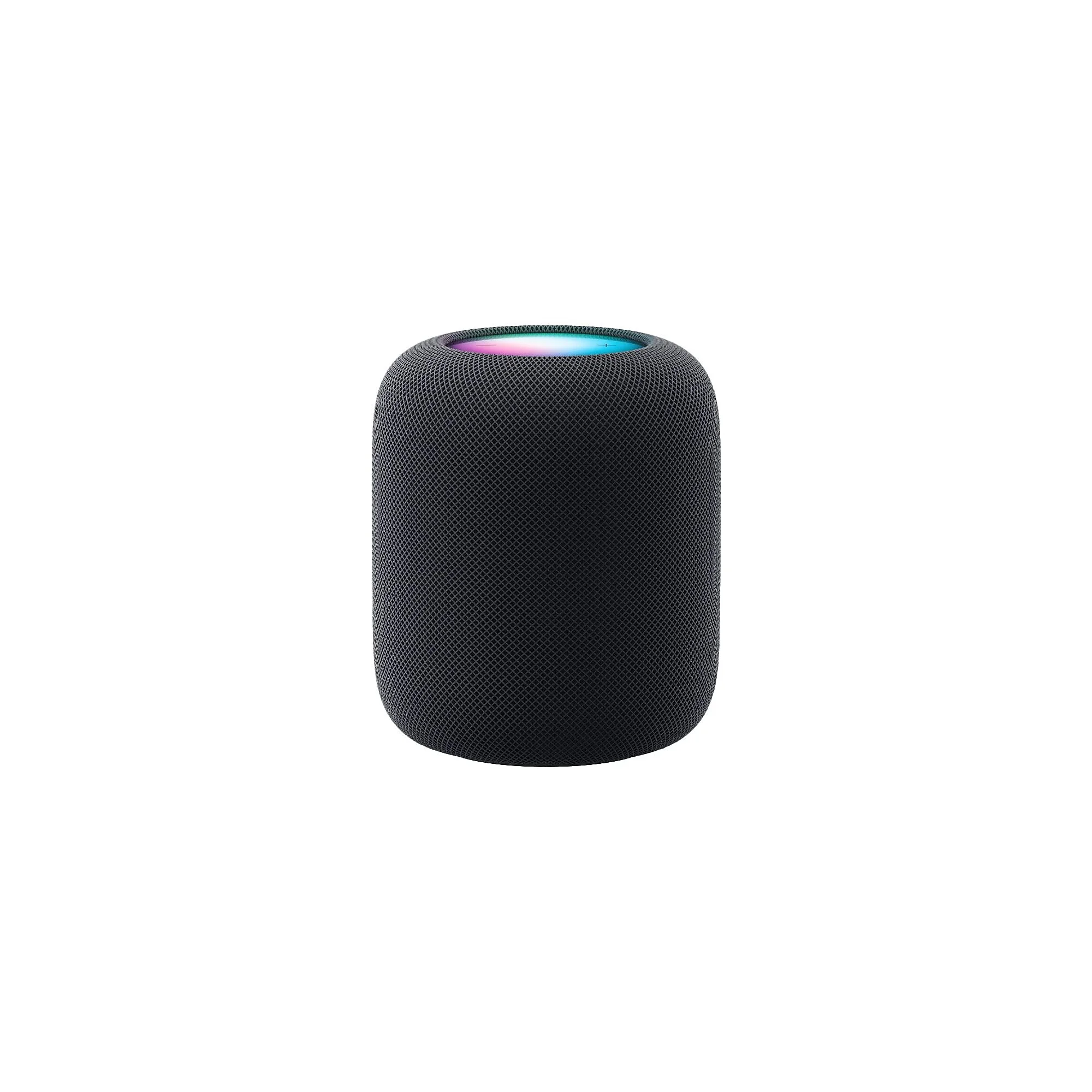
HomePod 2nd Generation — £295–£299
Best for controlled rooms and HomeKit enthusiasts. This is Apple's flagship speaker, featuring six-microphone array for Siri, spatial audio support, Thread and Matter compatibility (making it a bridge device for smart home protocols), and dual force-cancelling woofers. The 2024 update added support for Matter, the industry standard for smart home devices. Choose this if your living room is your listening room and you're building a HomeKit ecosystem.
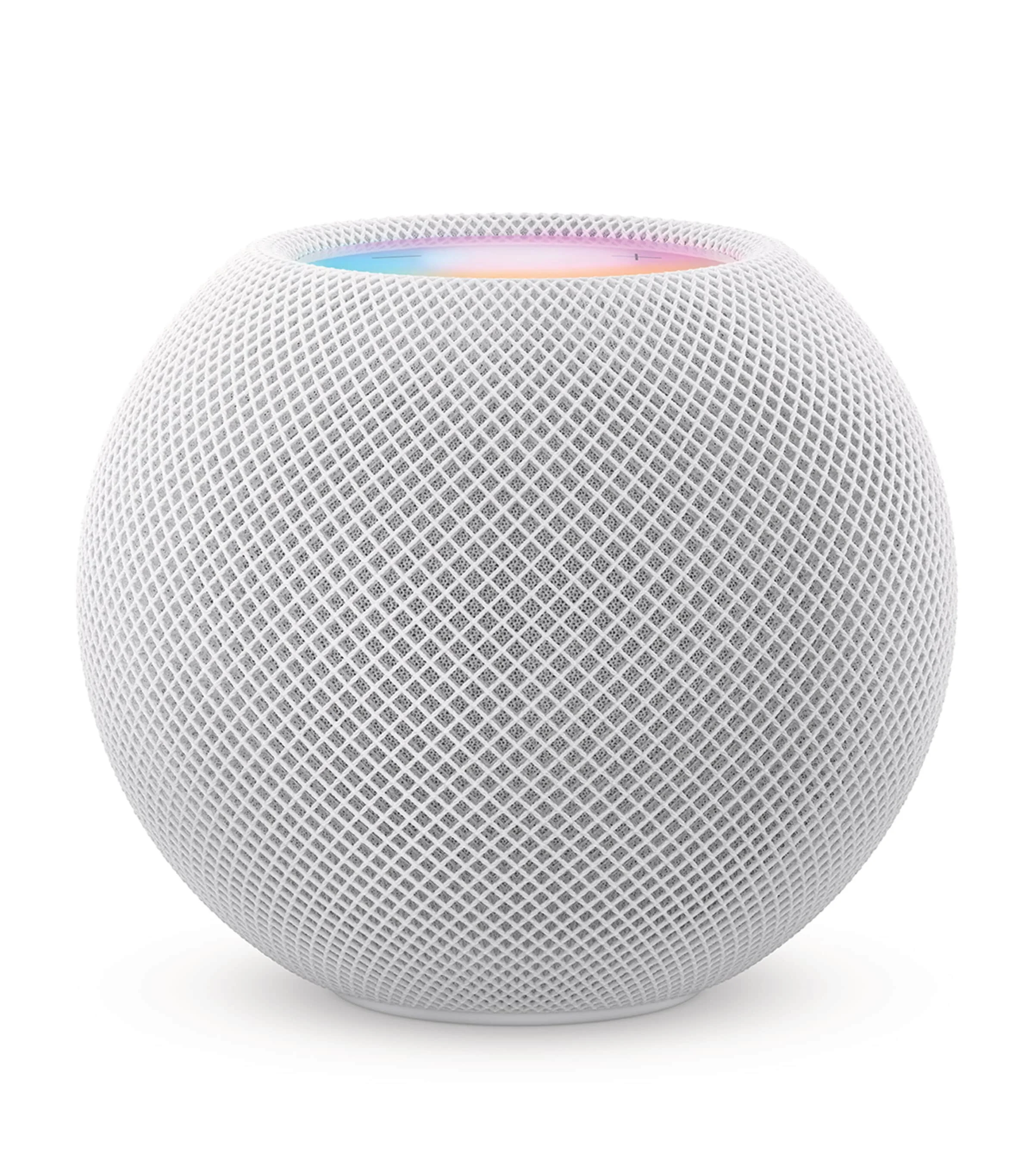
HomePod Mini — £79.99
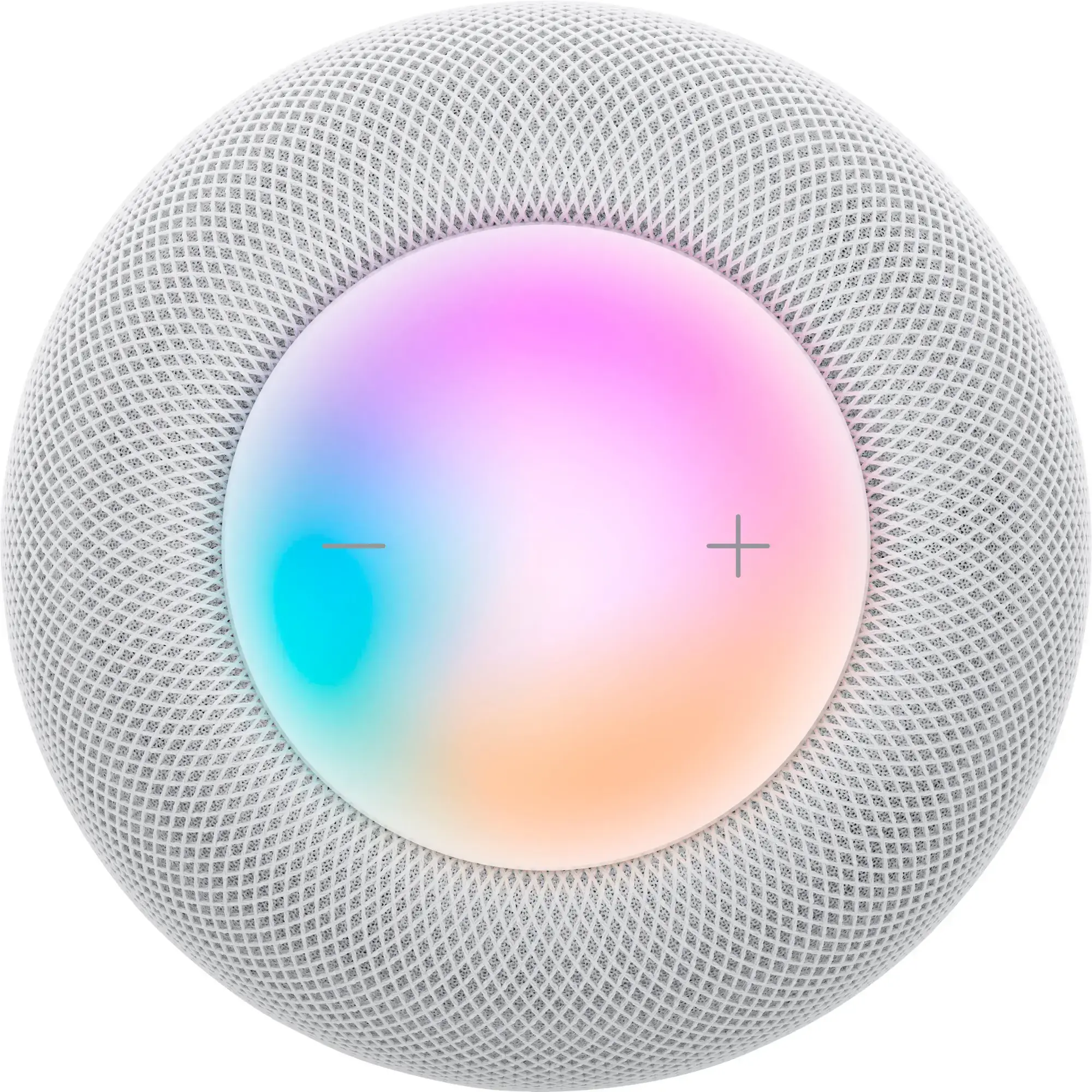
Best value for smart home control. At under £80, the HomePod Mini delivers the essentials: full Siri integration, Thread support, HomeKit control, and surprisingly capable bass for its size (3.3 inches tall, 0.34kg). Sound quality is respectable for bedroom or kitchen use, though it won't match the full HomePod's power. This is the overlooked gem—most buyers should start here because it acts as your HomeKit hub, enabling remote home automation control.
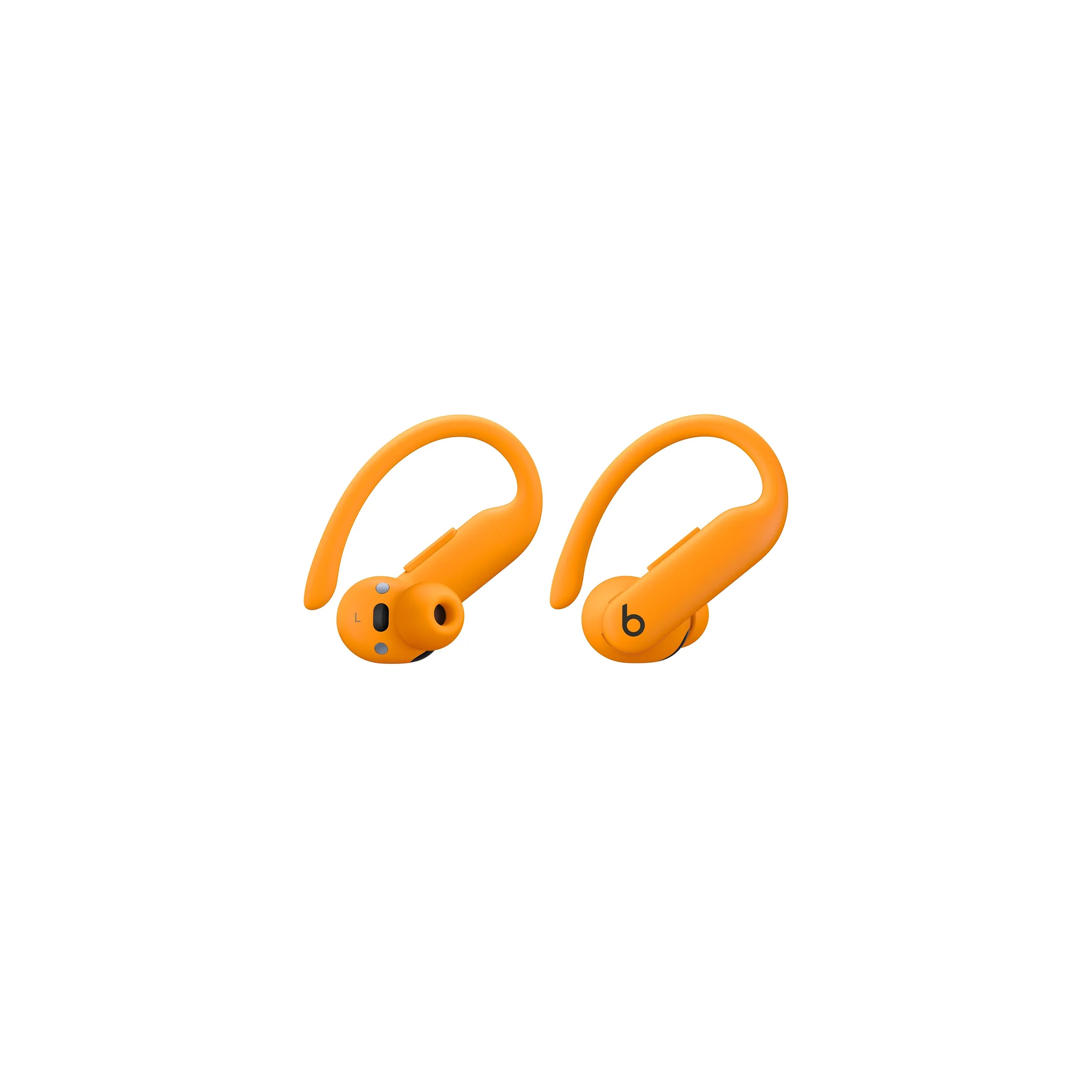
Powerbeats Pro 2 — £249.95
Best wireless earbuds for active use. If you're buying Apple audio primarily for portability, these over-ear earbuds (not traditional earbud form) offer noise cancellation, transparency mode, and 6 hours of battery life per charge. The secure fit is designed for workouts, and they pair instantly with any Apple device via W1 chip technology.
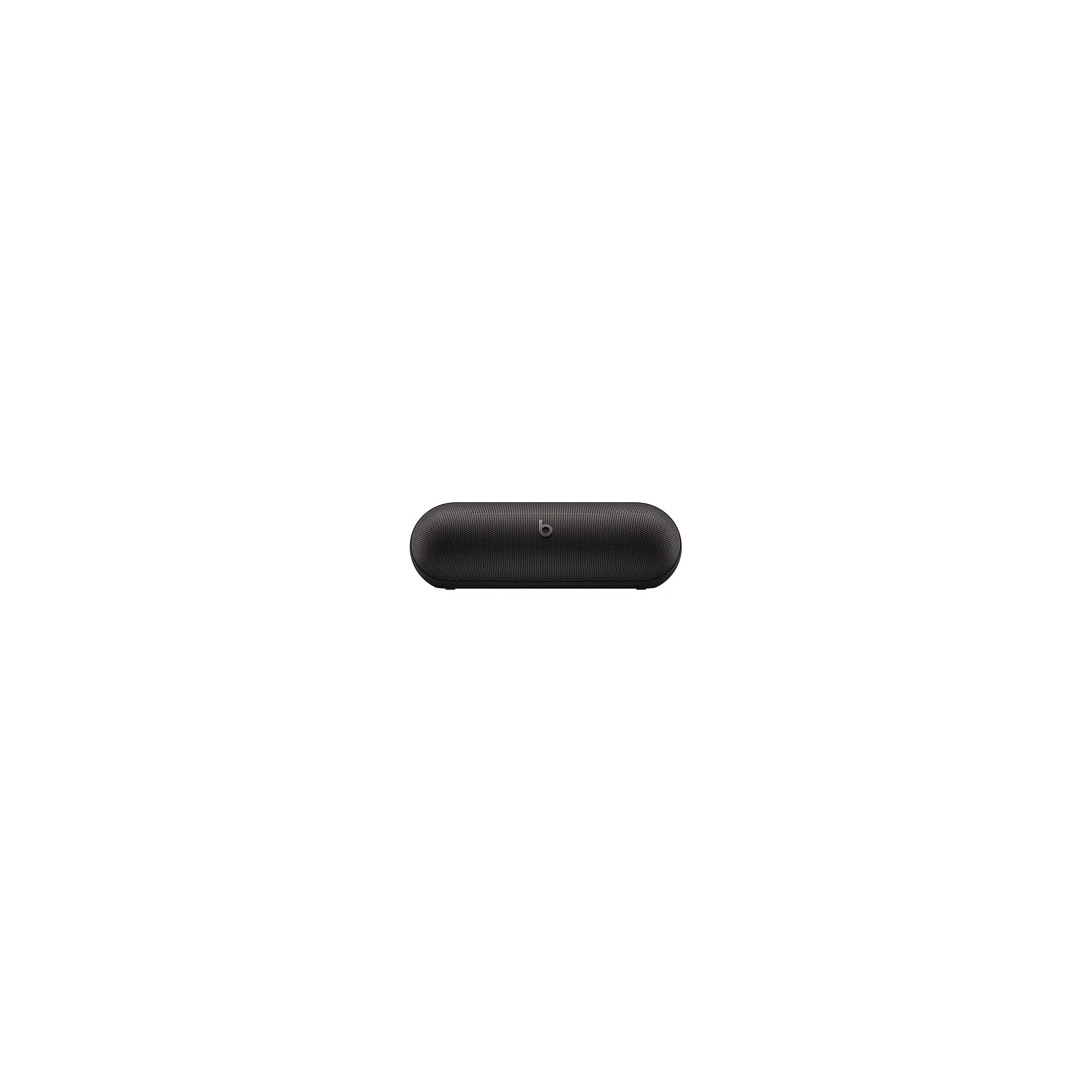
Beats Pill Wireless — £129.95
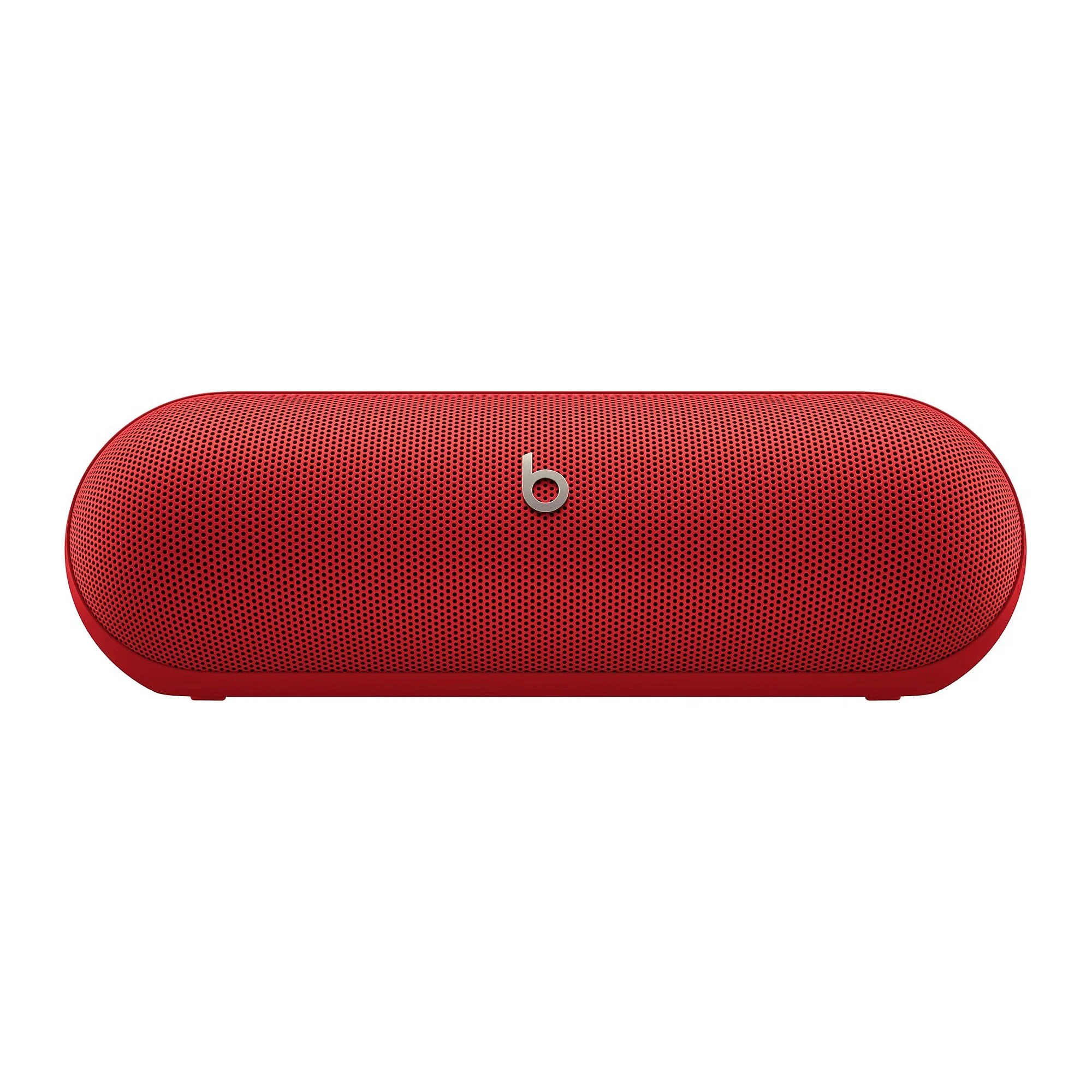
Best portable speaker for casual listening. A compact (6.7cm × 6.7cm × 5.1cm) Bluetooth speaker available in White or Statement Red. The Pill sacrifices smart home features entirely but gains true portability—it's genuinely pocketable, offers 12-hour battery life, and Bluetooth connectivity works with any device (not just Apple). Sound is basic but acceptable for outdoor use or travel.
Quick Comparison
| Product | Price | Best For | Standout Feature | |---------|-------|----------|------------------| | HomePod 2nd Gen (White or Midnight) | £295–£299 | High-fidelity home listening | Thread/Matter bridge device, spatial audio | | HomePod Mini (White) | £79.99 | Smart home hubs on a budget | HomeKit control under £80, full Siri support | | Powerbeats Pro 2 | £249.95 | Active/mobile listening | Secure over-ear fit, 6-hour battery | | Beats Pill (White or Red) | £129.95 | Portable casual listening | Genuinely pocketable, 12-hour battery, non-Apple device compatible |
What to Look For
- Room size and acoustics: HomePod 2nd Gen (with dual woofers and 360-degree sound dispersion) works best in rooms under 30 square metres. HomePod Mini suits kitchens and bedrooms up to 15 square metres. For larger open-plan spaces, consider multiple Mini units networked together.
- Smart home commitment: If you own HomeKit devices (smart locks, lights, cameras), prioritise HomePod or HomePod Mini as a bridge device—without one, HomeKit automation won't work remotely. Thread support (both HomePod models) is increasingly important as manufacturers adopt the standard; Wi-Fi only is becoming dated.
- Portability vs. fidelity trade-off: HomePods are stationary; Beats Pill prioritises movement. If you want decent sound quality on the move, accept that battery life (Pill: 12 hours, Powerbeats: 6 hours per charge) and portability will outweigh raw audio power.
- Ecosystem lock-in: HomePod and Powerbeats integrate tightly with Apple devices (automatic pairing, iCloud sync). Beats Pill works with any Bluetooth device, making it the only choice if you use Android or non-Apple ecosystems.
The Bottom Line
Buy the HomePod Mini (£79.99) first if you're into smart homes—it's the cheapest entry to HomeKit automation and Thread support, and it's genuinely useful in any room. Upgrade to the HomePod 2nd Generation (£295–£299) only if you have a dedicated listening space and want spatial audio quality that justifies the £200+ premium. For portability, the Beats Pill (£129.95) is the only practical choice; the Powerbeats Pro 2 (£249.95) are for people doing active listening while moving.
Frequently Asked Questions
What's the difference between HomePod and HomePod Mini?
The HomePod 2nd Generation costs £295–£299 and delivers room-filling sound via dual woofers and larger drivers; the HomePod Mini costs £79.99 and is designed for small rooms (kitchens, bedrooms, offices). Both support Thread, Matter, and HomeKit, so the choice is about sound ambition, not features. The full HomePod is a genuine stereo speaker; the Mini is functional but noticeably quieter. For most people, the Mini is enough.
Can I use HomePod with Android or non-Apple devices?
No. HomePod requires iOS 18 or later and only works as a smart speaker with Apple devices. If you have Android phones or tablets, buy the Beats Pill instead—it connects to any Bluetooth device without ecosystem restrictions. The trade-off: you lose Siri voice control and HomeKit automation.
Is spatial audio on the HomePod 2nd Gen worth the premium?
Yes, if you listen to music from lossless or hi-res sources (Apple Music lossless, Tidal). Spatial audio uses positional audio cues to create a wider, more immersive soundstage—it's noticeable on headphones and worthwhile on a £299 speaker. If you mostly stream compressed audio (Spotify, YouTube Music at standard quality), the benefit is marginal. Test it first via an Apple Store demo if possible.
Which Apple speaker is best for outdoors or travel?
The Beats Pill (£129.95) is the only practical choice. It's compact (pocket-sized), water-resistant enough for casual outdoor use, and its 12-hour battery outlasts everything else in the range. HomePod and HomePod Mini require mains power, so they're interior-only devices. Powerbeats Pro 2 are earbuds, not speakers—they're personal audio, not ambient sound.