Which Apple Products Are Worth Buying? A Breakdown of the HomePod, Watch, and Beats Pill
Apple's current lineup spans smart speakers, wearables, and portable audio—each targeting different needs. The HomePod 2nd Gen (£295.86) excels for deep HomeKit integration, the Apple Watch Series 10 (£424.99) is the best smartwatch for iPhone users, and the Beats Pill (£129.95) offers affordable portability. Whether they're worth buying depends entirely on your ecosystem lock-in and budget constraints.
Why Apple?
Apple has designed these products around seamless integration within its ecosystem rather than standalone functionality. Founded in 1976, the company now controls hardware, software, and services—meaning their products communicate with each other in ways competitors struggle to match.
The HomePod 2nd Gen uses Thread and Matter protocols for future-proof smart home connectivity, not just AirPlay. The Apple Watch Series 10 integrates directly with iOS health data, notifications, and payments in ways Android watches cannot replicate. The Beats Pill, acquired by Apple in 2014, maintains a more platform-agnostic design but still benefits from tight AirPlay integration.
Apple's strength is ecosystem lock-in—if you're already in the Apple world, these products feel essential. If you're not, they offer less advantage than competitors at similar price points.
Top Picks
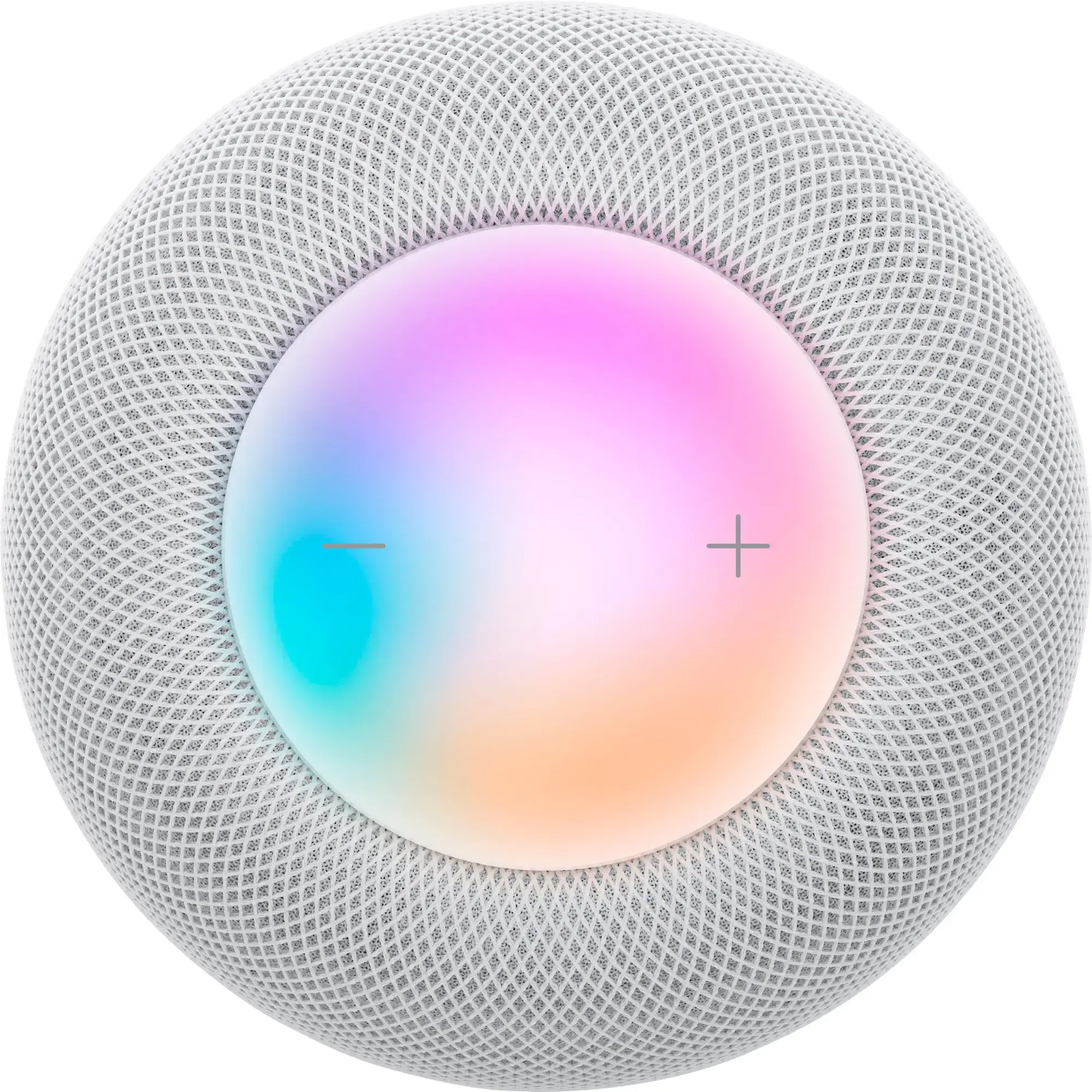
HomePod 2nd Gen (2nd Generation) — £295.86
Best for HomeKit-heavy smart homes with existing Apple devices. The HomePod 2nd Gen combines premium sound quality (360-degree audio, 5-inch woofer, tweeter array) with HomeKit functionality that rivals dedicated smart speakers costing £400+. Thread and Matter support future-proofs your smart home investment. If you already own iPhones, iPads, or Macs, this becomes a hub device that unlocks remote access and automation across all HomeKit accessories. The trade-off: it's expensive for a speaker alone, and its smart features only shine if you're committed to the HomeKit ecosystem.
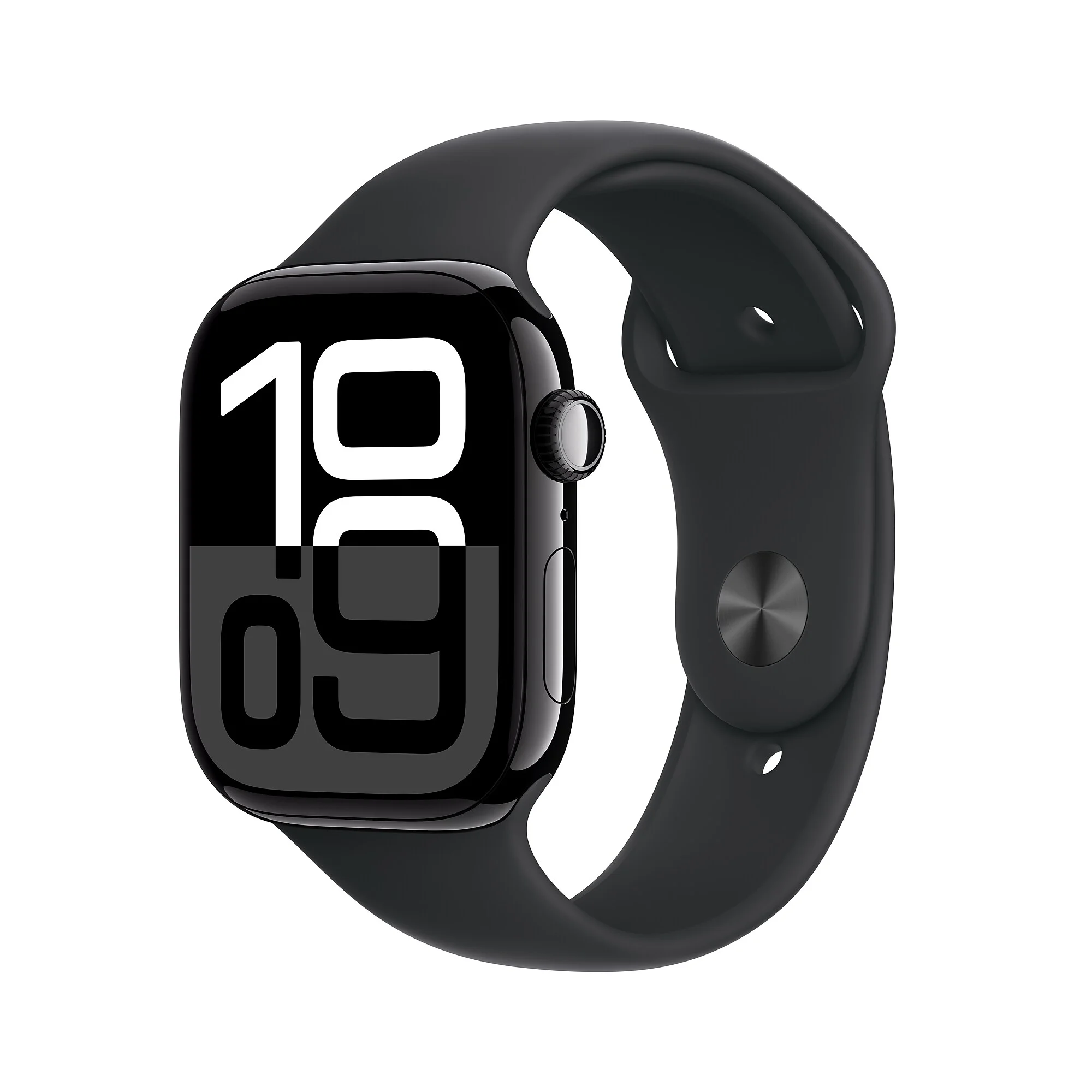
Apple Watch Series 10 — £424.99
Best for iPhone users who want the most comprehensive health and fitness tracking. The Series 10 (46mm variant tested here) features the largest display ever on an Apple Watch, a faster S10 processor, and expanded health metrics including blood oxygen, ECG, and temperature sensing. Battery life reaches 18 hours per day, and the always-on display remains visible in sunlight. It's the closest competitor to premium smartwatches from Garmin or Suunto, but only if you're using an iPhone—it doesn't work standalone with Android.
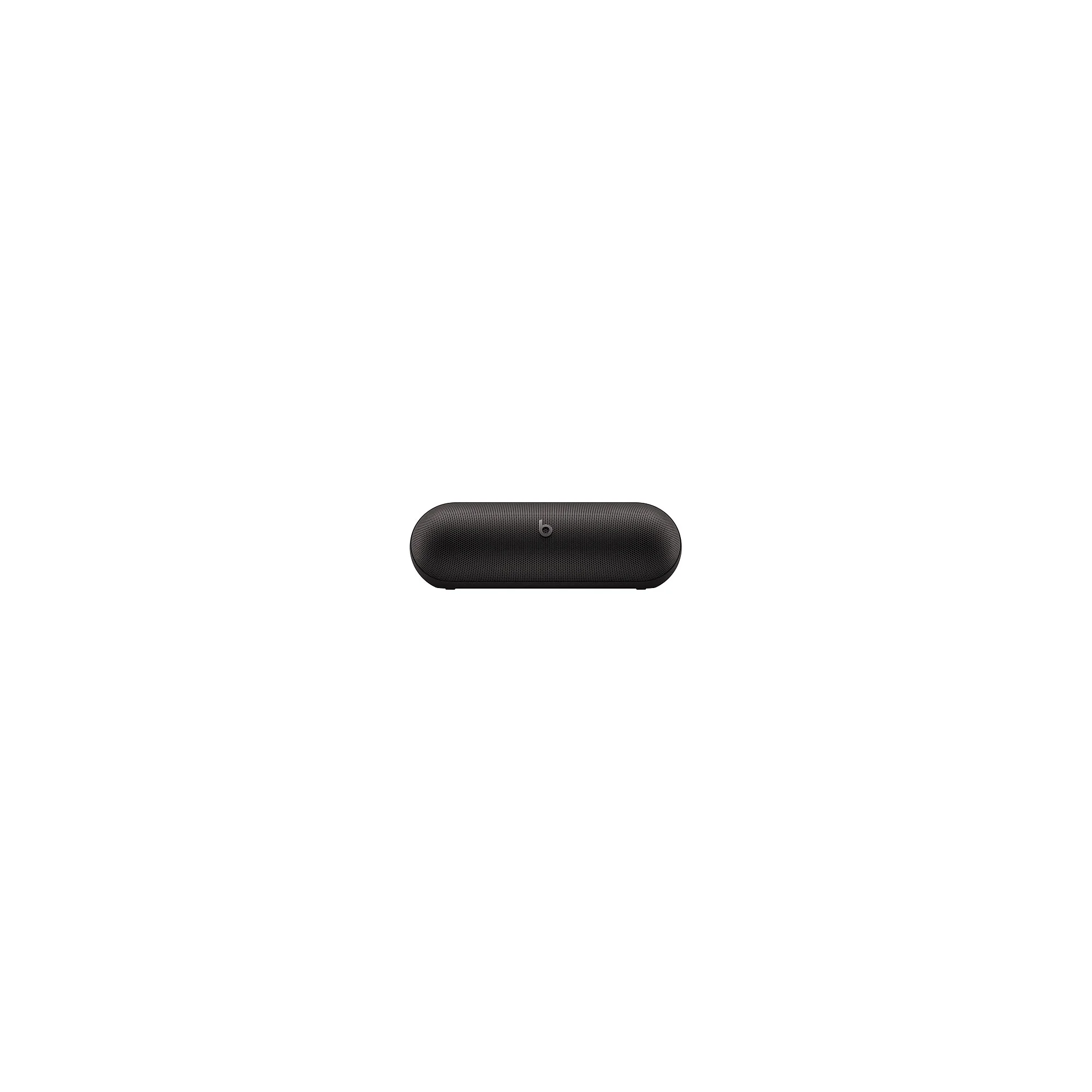
Beats Pill Wireless Bluetooth Portable Speaker — £129.95
Best for budget-conscious buyers who prioritise portability over smart home features. The Pill is compact (470g), delivers solid stereo sound across mid-to-high frequencies, and costs roughly 56% less than the HomePod. It supports Bluetooth 5.3 and works with any phone, not just iPhones. Battery life spans 24 hours per charge. The downside: no smart assistant, no HomeKit support, and audio clarity doesn't match the HomePod's spatial sound capabilities.
Quick Comparison
| Product | Price | Best For | Standout Feature | |---------|-------|----------|------------------| | HomePod 2nd Gen | £295.86 | HomeKit integration, premium home audio | Thread + Matter protocol support for future-proof smart homes | | Apple Watch Series 10 | £424.99 | iPhone users, fitness tracking | Largest always-on display (1.32 inches), 18-hour battery | | Beats Pill | £129.95 | Portable, platform-agnostic audio | 24-hour battery life, Bluetooth 5.3, 470g weight |
What to Look For
- Ecosystem compatibility: If you own zero Apple devices, the HomePod and Watch lose 40-50% of their utility. Beats Pill works with any phone via Bluetooth, making it the safest bet for mixed households.
- Smart home protocol support: The HomePod uses Thread (802.15.4 wireless mesh) and Matter (universal smart home standard). This future-proofs it against protocol changes—check if your existing HomeKit accessories support these standards before buying.
- Audio drivers and frequency range: The HomePod delivers 360-degree sound via a 5-inch woofer and tweeter array. The Beats Pill uses two 40mm custom drivers optimised for portable use. Both handle 20Hz–20,000Hz, but the HomePod achieves deeper bass and wider soundstaging—critical if you use it as your primary home speaker.
- Sensor count and health tracking: The Apple Watch Series 10 includes 8 sensors (optical heart rate, blood oxygen, ECG, temperature, accelerometer, gyroscope, compass, barometer). Most Android smartwatches max out at 5-6 sensors. This translates to richer health data but requires iOS 18.1 or later to access all features.
The Bottom Line
For Apple ecosystem users with a budget, the HomePod 2nd Gen at £295.86 delivers unmatched smart home functionality and audio quality—but only if you plan to build a HomeKit setup. The Apple Watch Series 10 is mandatory for serious iPhone health tracking, though it requires a companion iPhone to unlock its best features. If you want affordable, portable audio that works on any device, the Beats Pill at £129.95 is the only sensible choice and offers 24-hour battery life with no ecosystem lock-in.
Frequently Asked Questions
Is Apple good value for money?
Apple commands premium pricing because of tight hardware-software integration and ecosystem lock-in. If you own multiple Apple devices, their products deliver exceptional value—the HomePod becomes a HomeKit hub worth £300, the Watch becomes a health hub worth £400+. If you're a single-device user or platform-agnostic, you're paying 30-50% more than competitors for less relative benefit.
Can I use the Apple Watch without an iPhone?
No. The Apple Watch Series 10 requires an iPhone running iOS 18 or later to set up and function. It cannot pair with Android phones. Standalone cellular models exist, but they still require an iPhone for initial configuration and ongoing syncing.
Does the HomePod 2nd Gen work without HomeKit?
Yes, but most of its value disappears. Without HomeKit, it functions as a standard AirPlay speaker with Siri voice control. It will not control smart home accessories, create automation routines, or act as a home hub. You'd pay £295.86 for smart speaker features available elsewhere at £100-150.
Is the Beats Pill compatible with iPhones and Android phones?
Yes. The Beats Pill connects via Bluetooth 5.3, making it work with any modern smartphone. It does not require an Apple device, iTunes account, or HomeKit setup. This makes it the most platform-agnostic option in this range.