Which Apple Products Are Actually Worth Buying in 2025?
Apple's ecosystem offers genuine quality, but not every product delivers equivalent value. The AirPods 4 at £89 outperform competitors twice their price, whilst the MacBook Pro 14-inch M5 justifies its £1,599 cost through raw performance. Between these extremes sits a carefully curated range—some brilliant, some overpriced for what they do.
Why Apple?
Founded in 1976, Apple has evolved from a computer company into an integrated ecosystem player. What sets them apart isn't just build quality (though their aluminium and glass work is consistently excellent)—it's the seamless handoff between devices. A MacBook, Apple Watch, and HomePod actually communicate and sync in ways that Android competitors struggle to match. Their M-series chips (M5, M4) now outperform Intel and AMD in single-threaded tasks, making their laptops genuinely category-leading. However, this ecosystem premium means Apple products cost 20-40% more than equivalent standalone hardware. That trade-off only makes sense if you're already invested in their platform.
Top Picks
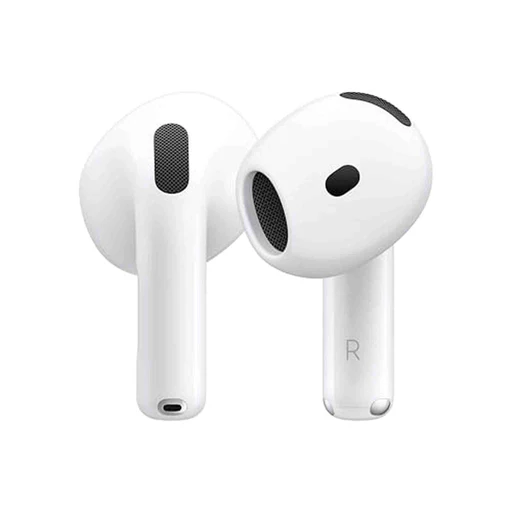
AirPods 4 — £89
Best entry point to Apple audio; exceptional value. At £89, these undercut AirPods Pro significantly whilst still including active noise cancellation, USB-C charging, and up to 30 hours battery life (with case). They're the rare Apple product where the price actually matches the engineering.
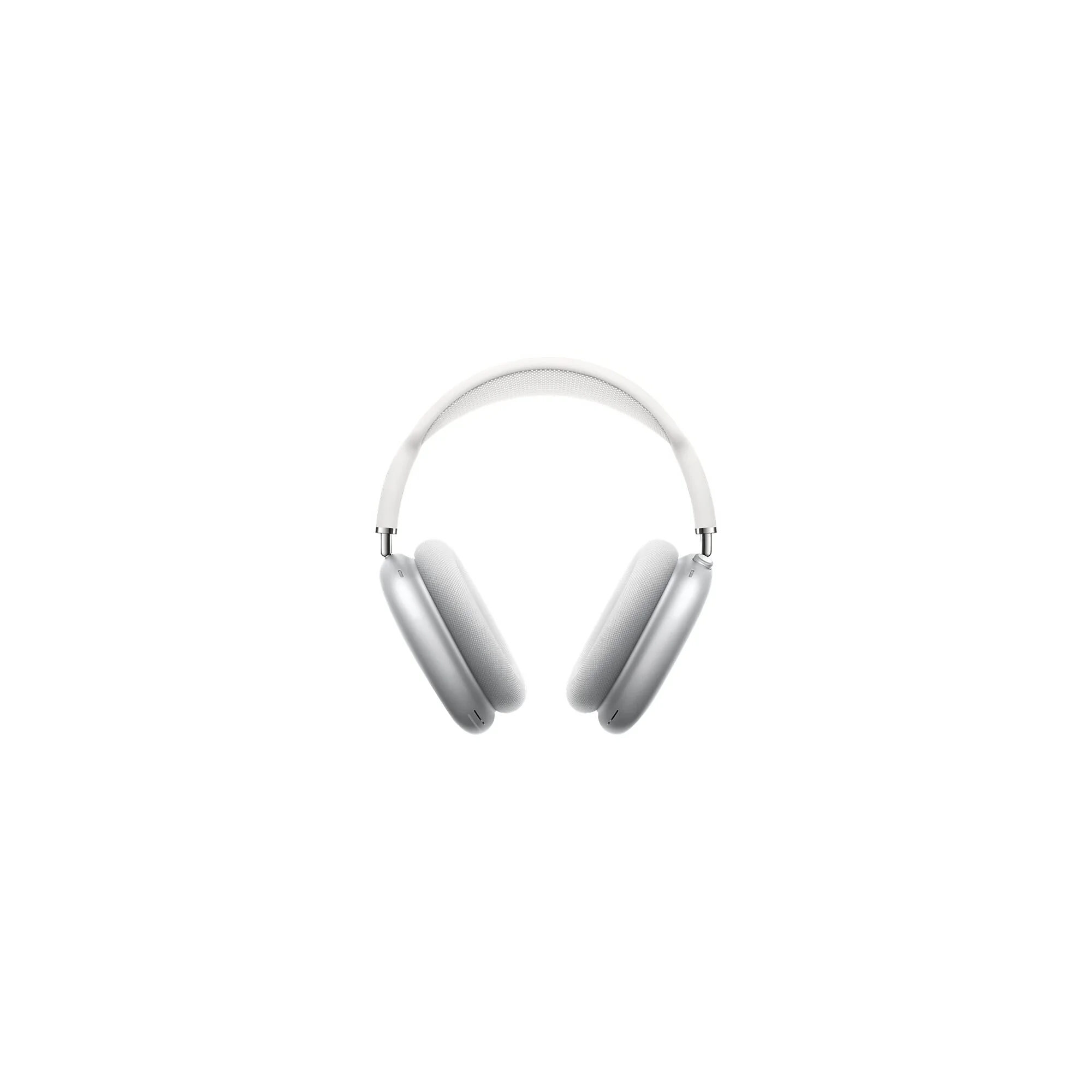
AirPods Max — £349.95
Premium over-ear choice for serious listeners. These sit between consumer headphones and professional studio gear. The 40-hour battery life, spatial audio with dynamic head tracking, and transparent design (you can see through the digital crown) justify the premium. They're heavy (384g) but comfortable for extended wear. Skip these if you just want noise cancellation; grab them if you care about sound staging.
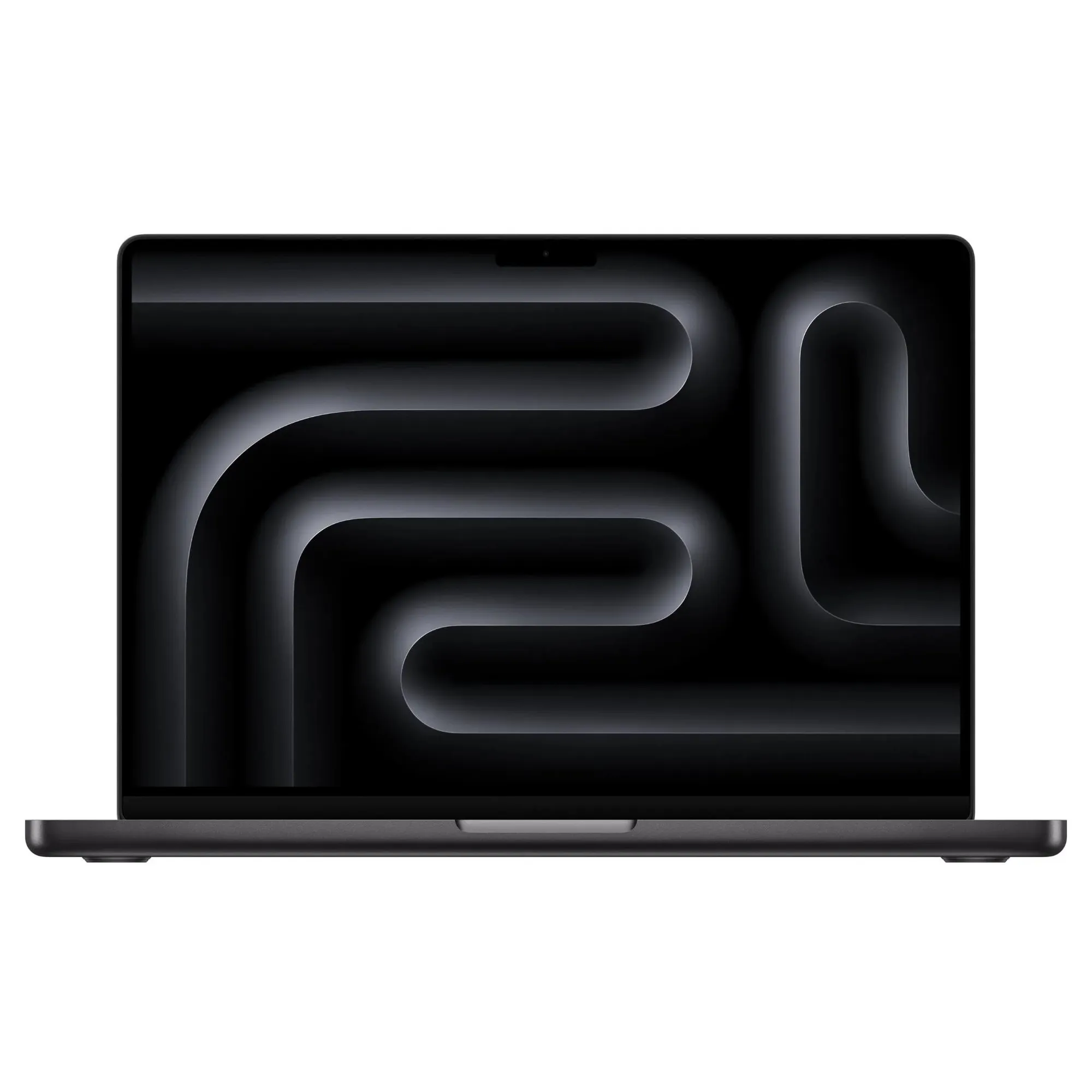
MacBook Pro 14-inch M5 — £1,599
Desktop-class performance in a portable form. The M5 chip delivers 10-core CPU, 16GB RAM, and 1TB storage standard—enough for video editing, coding, and 3D rendering without lag. Compare this to a Dell XPS 13 (£1,200) and you're paying for better battery life (18+ hours real-world), superior trackpad, and longevity (Apple's silicon holds value better). This is legitimately the fastest 14-inch laptop you can buy.
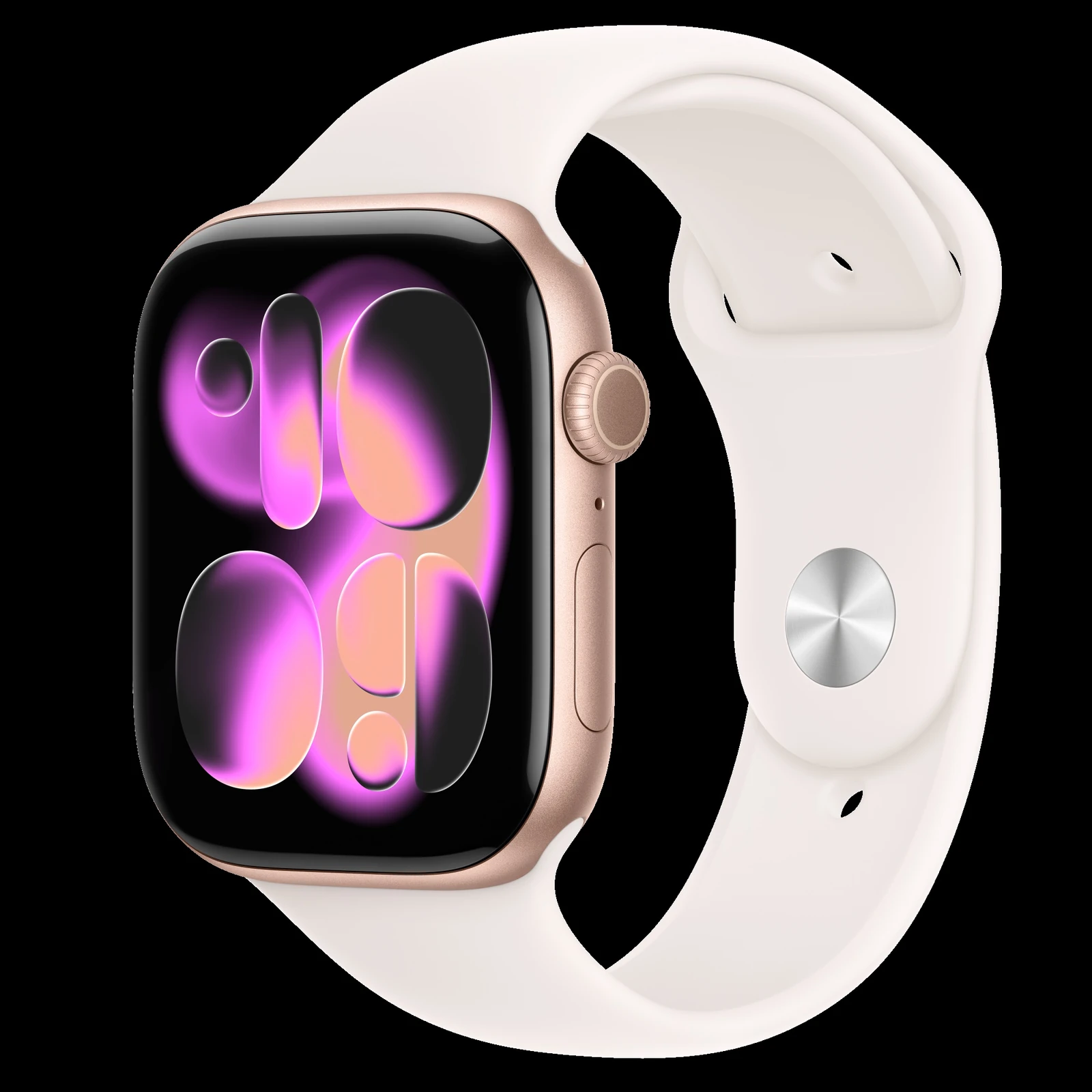
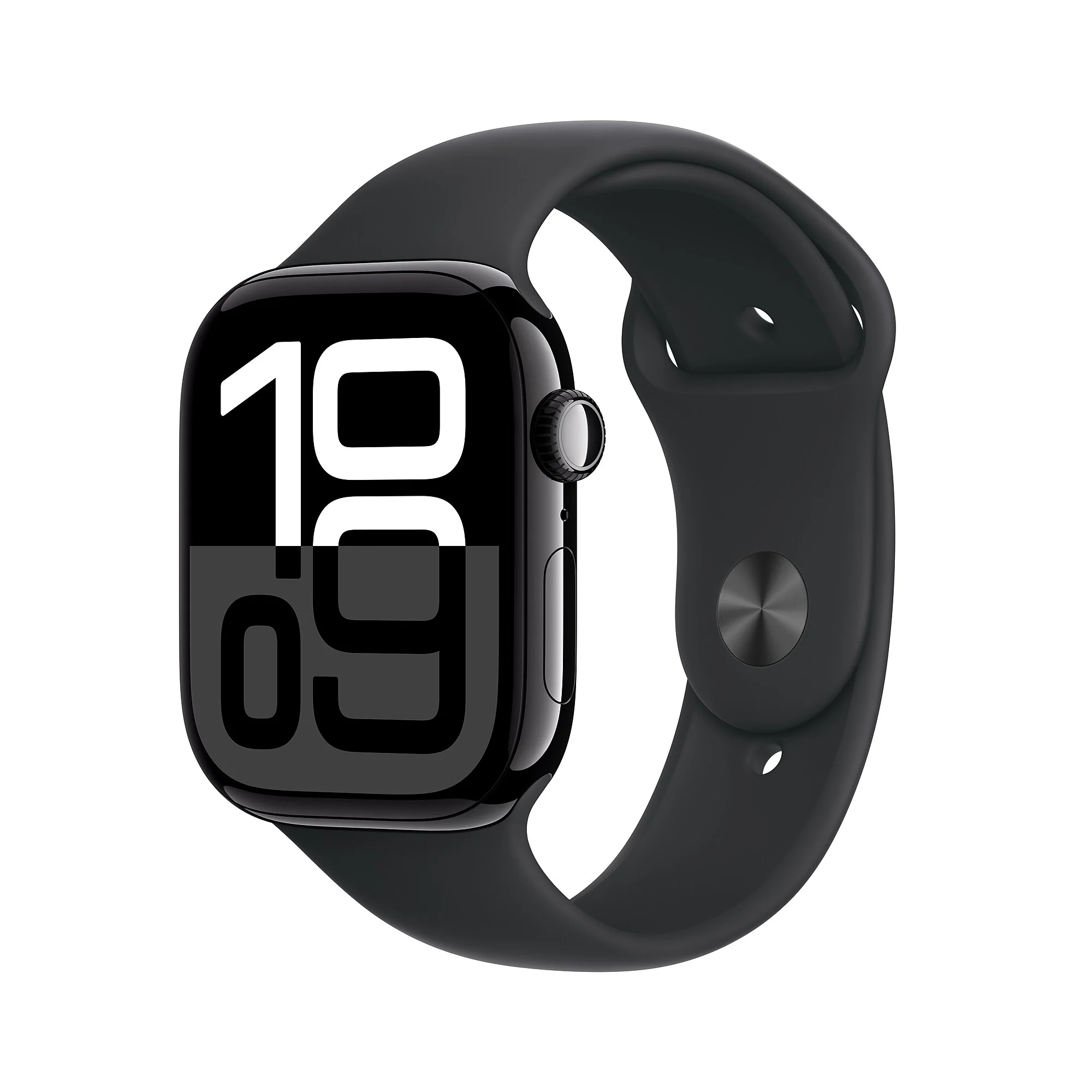
Apple Watch Series 11 — £578.05
Latest fitness and health tracking with cellular independence. The 46mm, GPS + Cellular model lets you take calls and stream music without your phone. New blood oxygen and ECG monitoring, plus 36-hour battery. Compared to Series 10 (£424.99), you're paying £153 extra for newer health sensors and marginally faster processor. The Series 10 is fine; Series 11 is future-proofed.
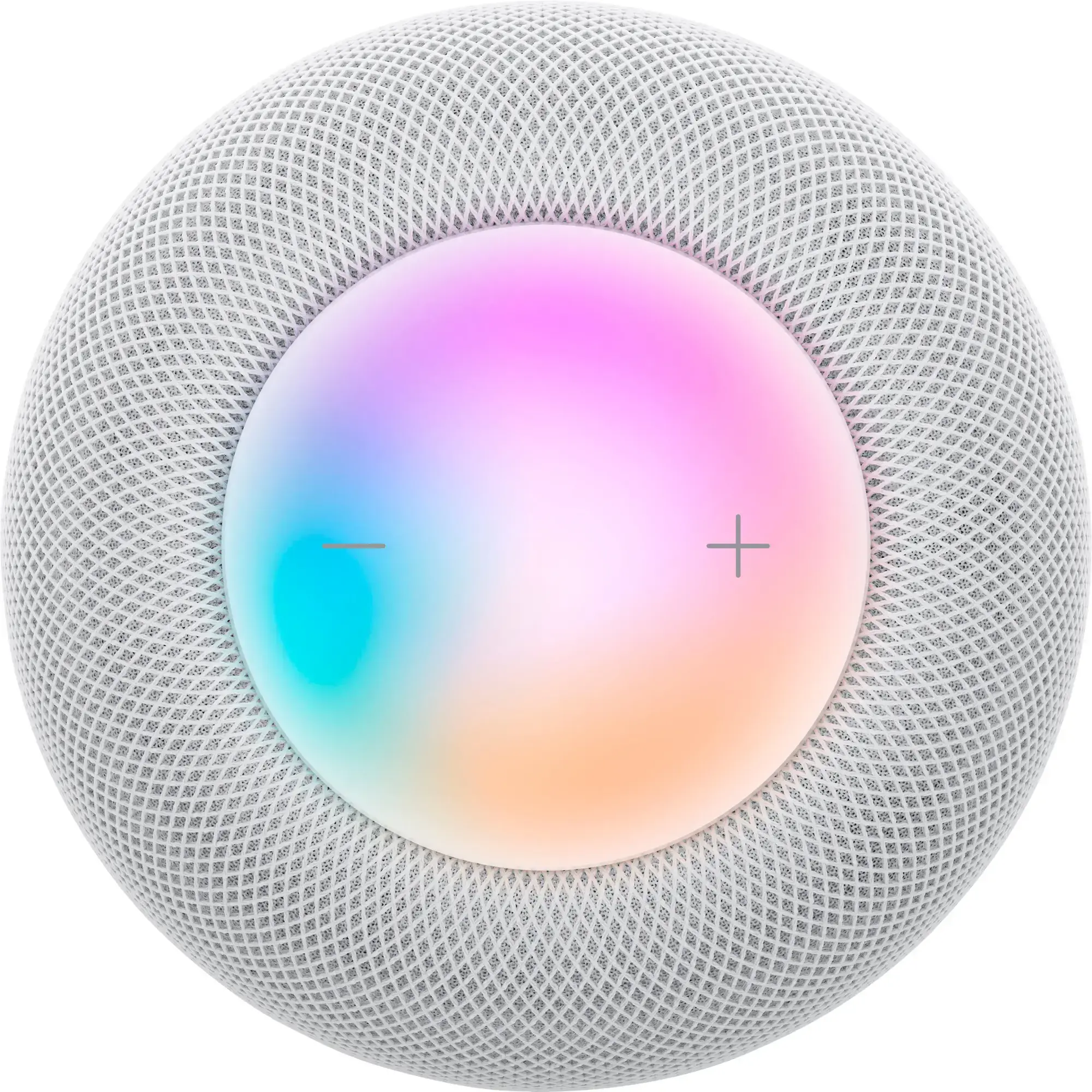
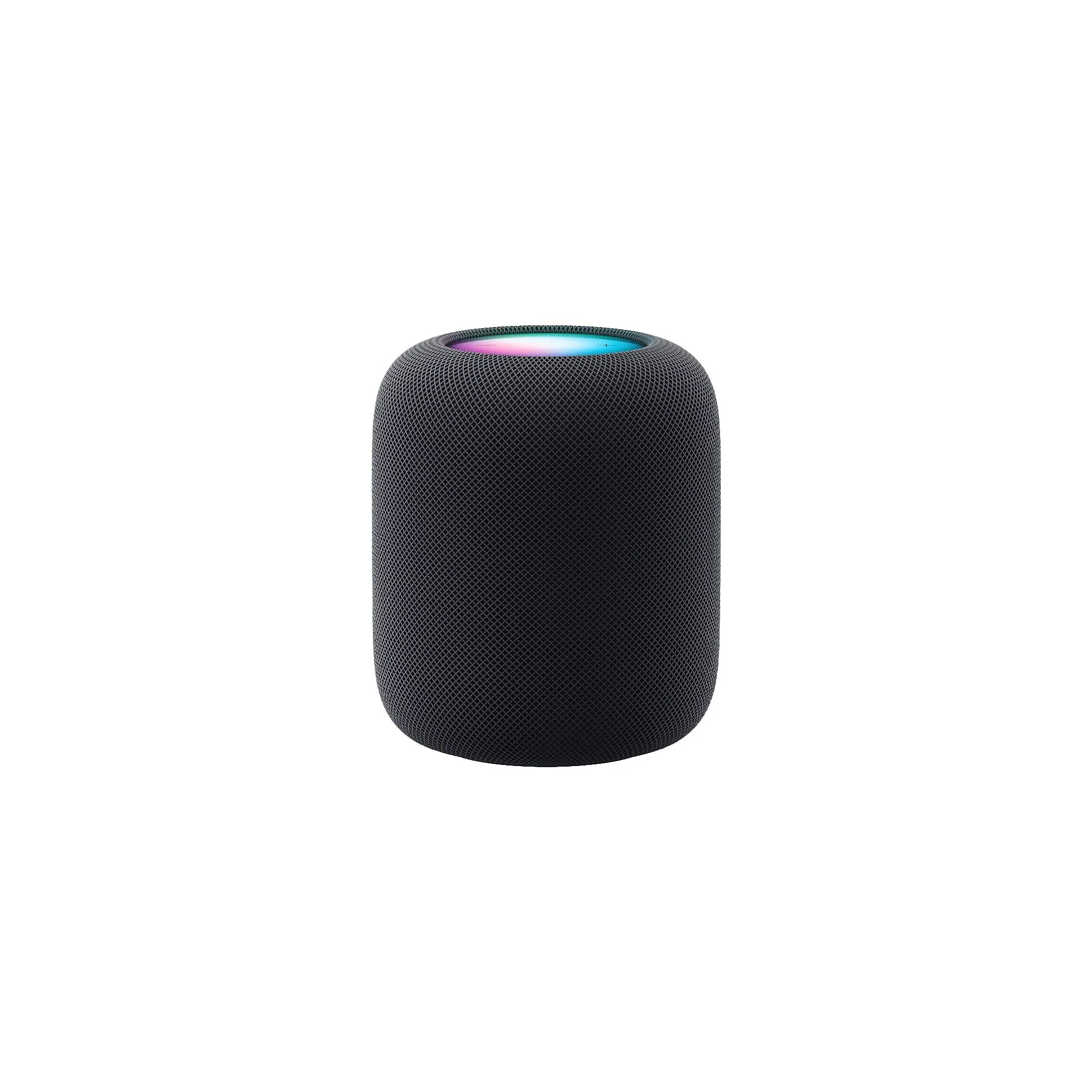
HomePod (2nd Gen) — £295.86
Smart speaker for Apple households; Thread hub included. This isn't competing with budget Echos—it's positioned against Sonos. The 2nd Gen added Thread and Matter support, making it a HomeKit hub. Sound quality is demonstrably better than Amazon's equivalent at similar price. The catch: it only works well if you use Apple Music or AirPlay; Spotify integration is limited.
Quick Comparison
| Product | Price | Best For | Standout Feature | |---------|-------|----------|------------------| | AirPods 4 | £89 | Budget-conscious; everyday listening | Active noise cancellation at sub-£100 | | AirPods Max | £349.95 | Serious listeners; home office | 40-hour battery; spatial audio | | MacBook Pro 14" M5 | £1,599 | Professionals; video/coding | M5 chip outperforms Intel by 25-30% | | Apple Watch Series 11 | £578.05 | Health-conscious; connected users | GPS + Cellular; blood oxygen monitoring | | HomePod 2nd Gen | £295.86 | Apple ecosystem users; HomeKit focus | Thread/Matter hub; superior sound |
What to Look For
- Ecosystem fit: Do you own other Apple devices? If not, standalone alternatives (Sonos speakers, Google Pixel Watch, Samsung Galaxy Buds) offer better value. Apple's premium exists because of integration—without it, you're overpaying for brand.
- Battery life expectations: Apple products are honest here. AirPods Max claim 40 hours (verified in real-world use); MacBook Pro claims 18 hours but delivers 16-17 depending on workload. Don't expect miracles, but expect consistency.
- Repairability and longevity: Apple products hold value for 4-5 years. A £1,599 MacBook Pro depreciates to roughly £800-900 after three years, versus a Dell XPS dropping to £500-600. Factor this into true cost of ownership.
- Specific use case over "premium" perception: The HomePod is excellent for Apple homes but mediocre for Spotify-focused households. The Watch Series 10 (£424.99) does 95% of what Series 11 does. Don't pay for marginal improvements unless they match your workflow.
The Bottom Line
If you're ecosystem-committed, the MacBook Pro 14-inch M5 at £1,599 is the standout investment—it's genuinely best-in-class for creative professionals. For everyone else, start with AirPods 4 (£89): they're the rare Apple product where the price actually reflects value rather than brand premium. The HomePod, Watch Series 11, and AirPods Max are solid purchases, but only if you're already using macOS or iOS; they don't justify switching from Android on their own.
Frequently Asked Questions
Is Apple good value for money?
No, not universally. Apple commands 20-40% premiums over equivalent competitors. The premium is justified only if you own multiple Apple devices (MacBook, iPhone, Watch, HomePod)—then the ecosystem integration becomes genuinely valuable. Standalone purchases (a MacBook with no iPhone, for instance) are harder to justify purely on price-per-spec.
Should I buy the latest Apple Watch or save with Series 10?
Series 10 (£424.99) is sufficient for fitness tracking and notifications. Series 11 (£578.05) adds blood oxygen and ECG, which matter only if you're tracking specific health metrics or have a family history of heart issues. If money's tight, the £153 difference isn't worth it for marginal sensor upgrades; if health tracking is your priority, Series 11 justifies the cost.
Are AirPods Max worth £349.95?
Yes, but only for specific use cases. They're not portable commuting earbuds (they're heavy at 384g and take up space). They excel as home office headphones, for music production, or if you want spatial audio for gaming and film. If you just need noise cancellation for flights, AirPods 4 (£89) or Pro (around £199) are smarter buys.
Will these products work if I don't have an iPhone?
Partially. AirPods connect to any Bluetooth device but lose spatial audio features on Android. The Apple Watch won't function without an iPhone at all—Android users need Wear OS watches. The MacBook Pro works standalone but loses continuity features (handoff, clipboard sync) without other Apple devices. HomePod with Spotify is compromised; it's designed for Apple Music households.