Apple's ecosystem delivers genuine value if you match the right product to your needs, but price doesn't always equal performance. The key is understanding what each device does best and whether its premium cost aligns with what you actually use it for.
Why Apple?
Apple was founded in 1976 and has built its reputation on seamless hardware-software integration, premium build quality, and a tightly controlled ecosystem. Their strength isn't in offering the cheapest option—it's in creating devices that work reliably together. If you own an iPhone or Mac, Apple products often feel like natural extensions rather than standalone gadgets. However, this ecosystem lock-in also means you're paying a premium for compatibility that benefits users already invested in the Apple universe.
Top Picks
AirPods Max Wireless Bluetooth Stereo Headphones — £375.00
Best for professionals and music enthusiasts who want studio-grade audio in a portable package. These over-ear headphones deliver exceptional active noise cancellation and spatial audio, with a 20-hour battery life. The catch: they're significantly heavier than competing models at 384.8g, and the price is steep even for Apple standards.
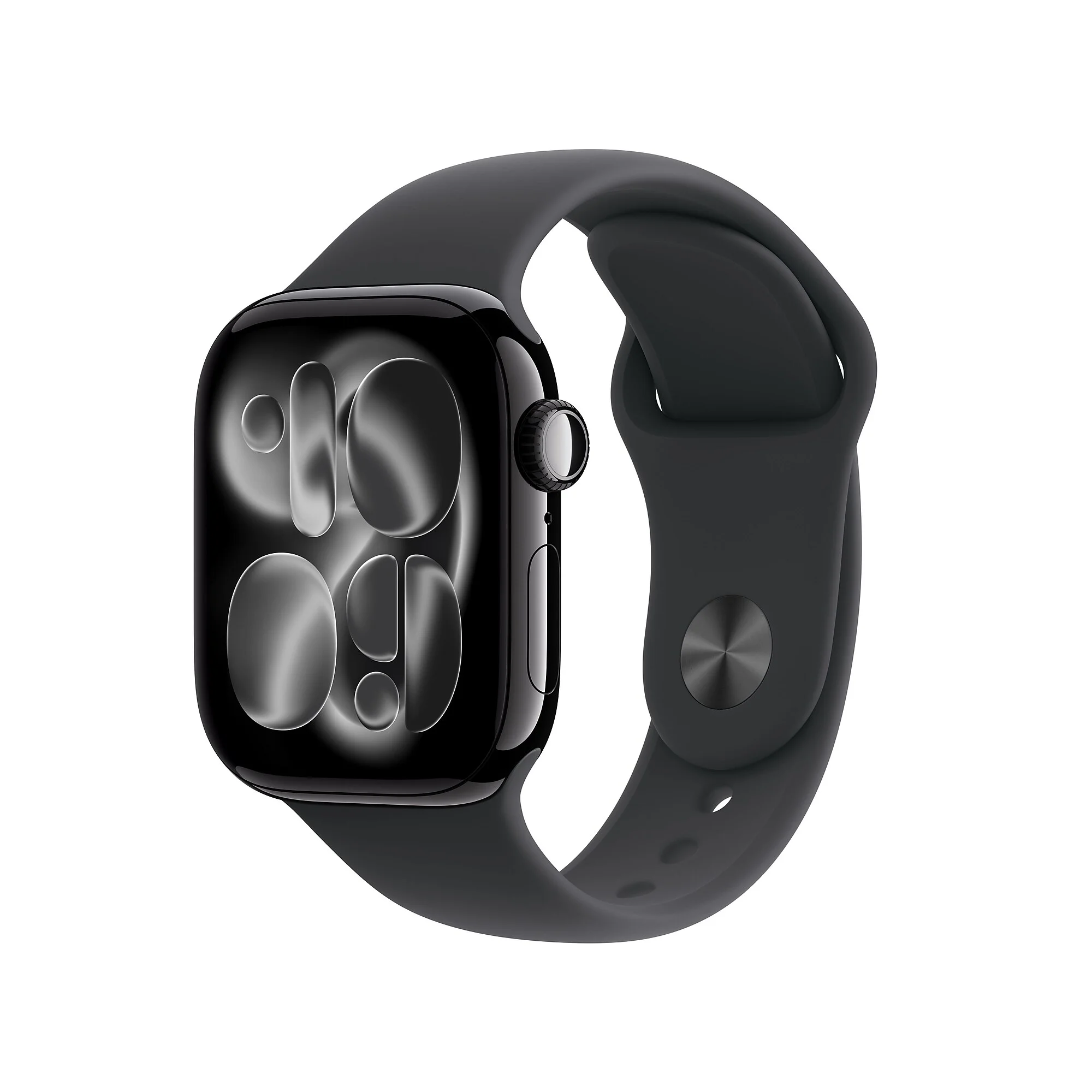
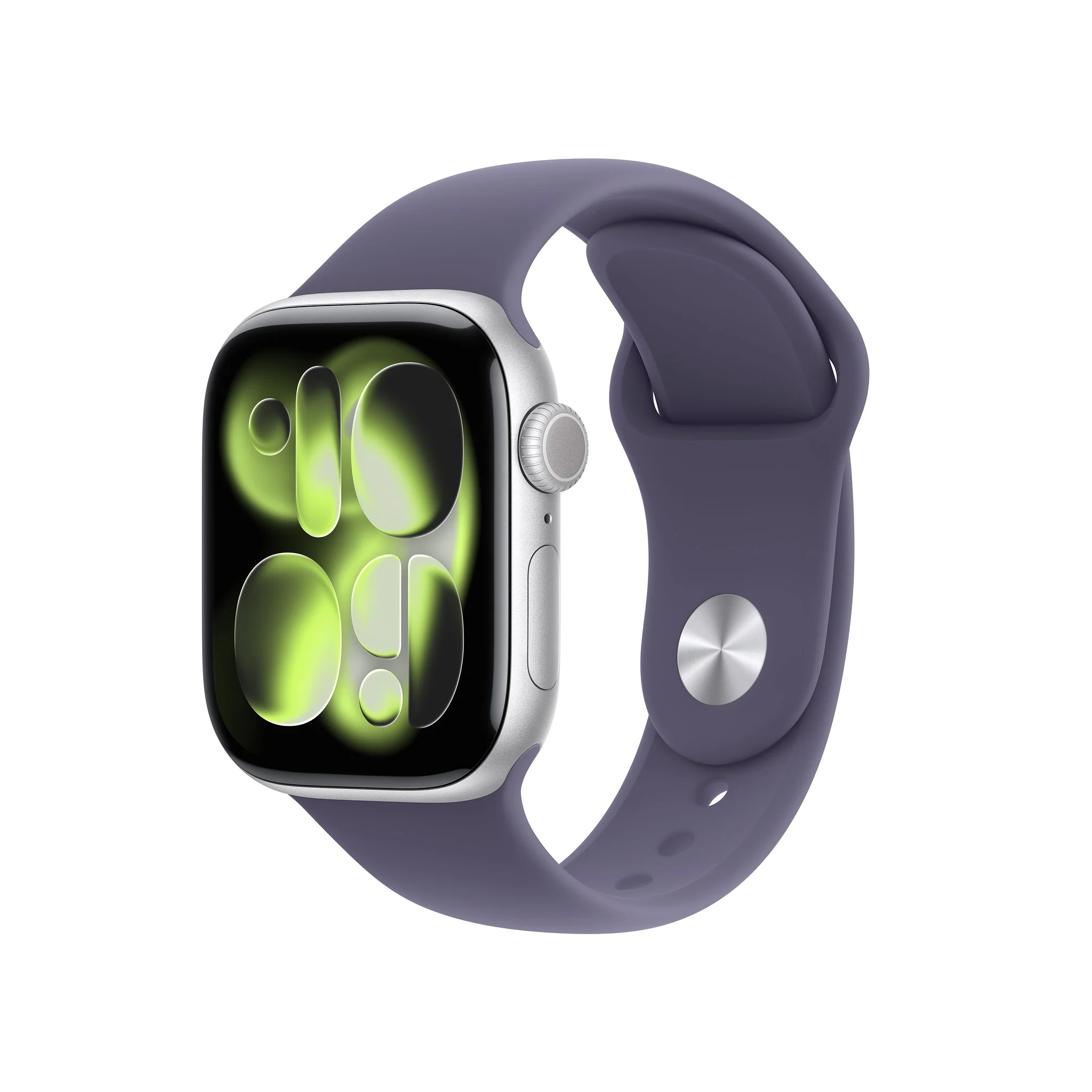
Apple Watch Series 11 GPS Smartwatch, 42mm — £436.15
Best for fitness tracking and iPhone integration without the need for cellular connectivity. The 42mm size suits larger wrists, and it delivers reliable health monitoring, workout detection, and seamless notifications. Verdict: essential if you live in the Apple ecosystem; overpriced if you just need step counting.
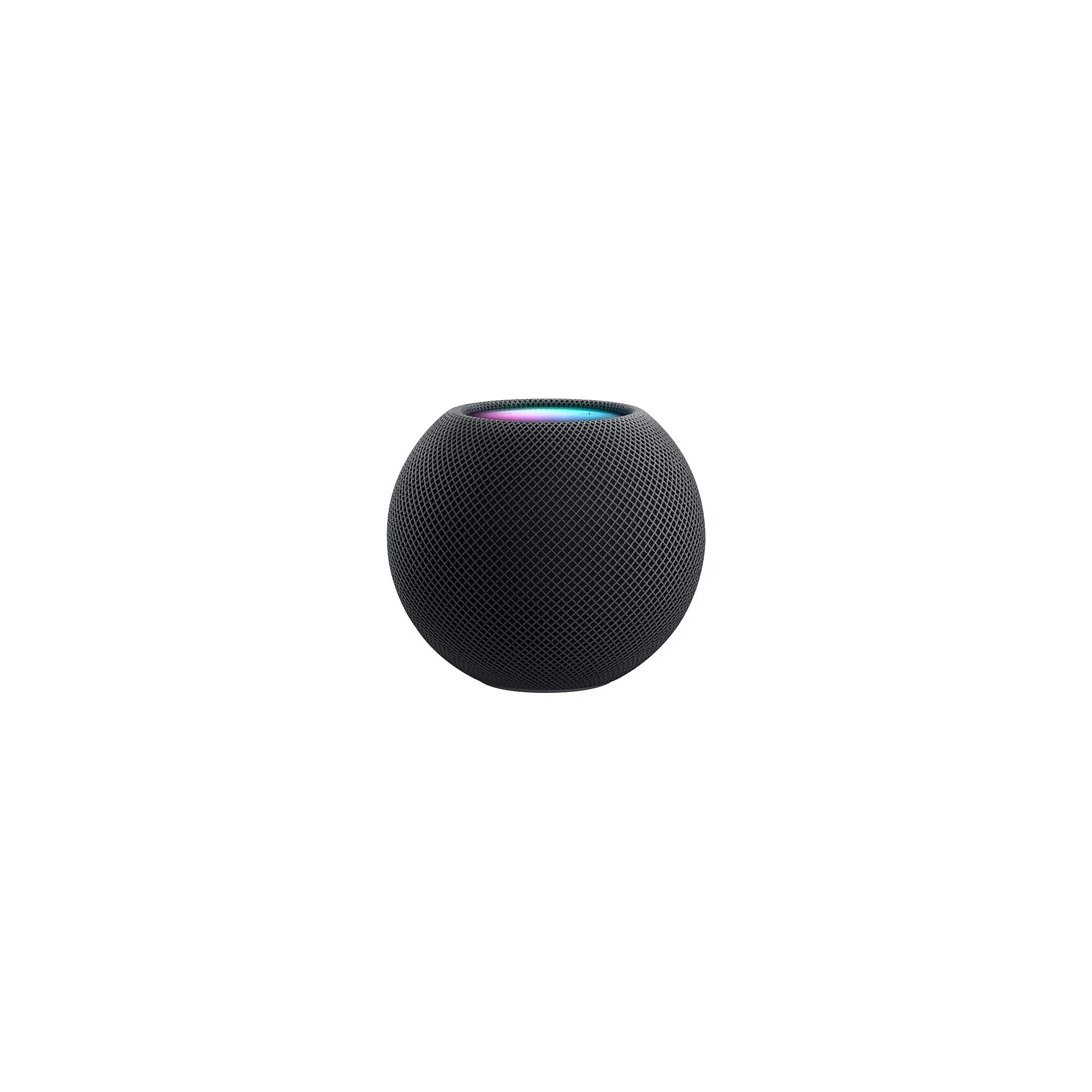
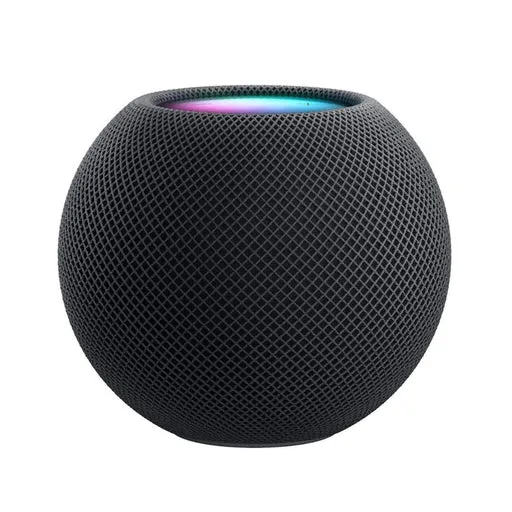
HomePod Mini — £64.95 to £99.00
Best for small kitchens, bedrooms, or desks where you want smart speaker functionality without dominating space. The compact 3.9-inch design packs surprisingly clear audio for its size, and it works as a HomeKit hub for automating your smart home. This is genuine value—it undercuts competitors on price while maintaining quality.
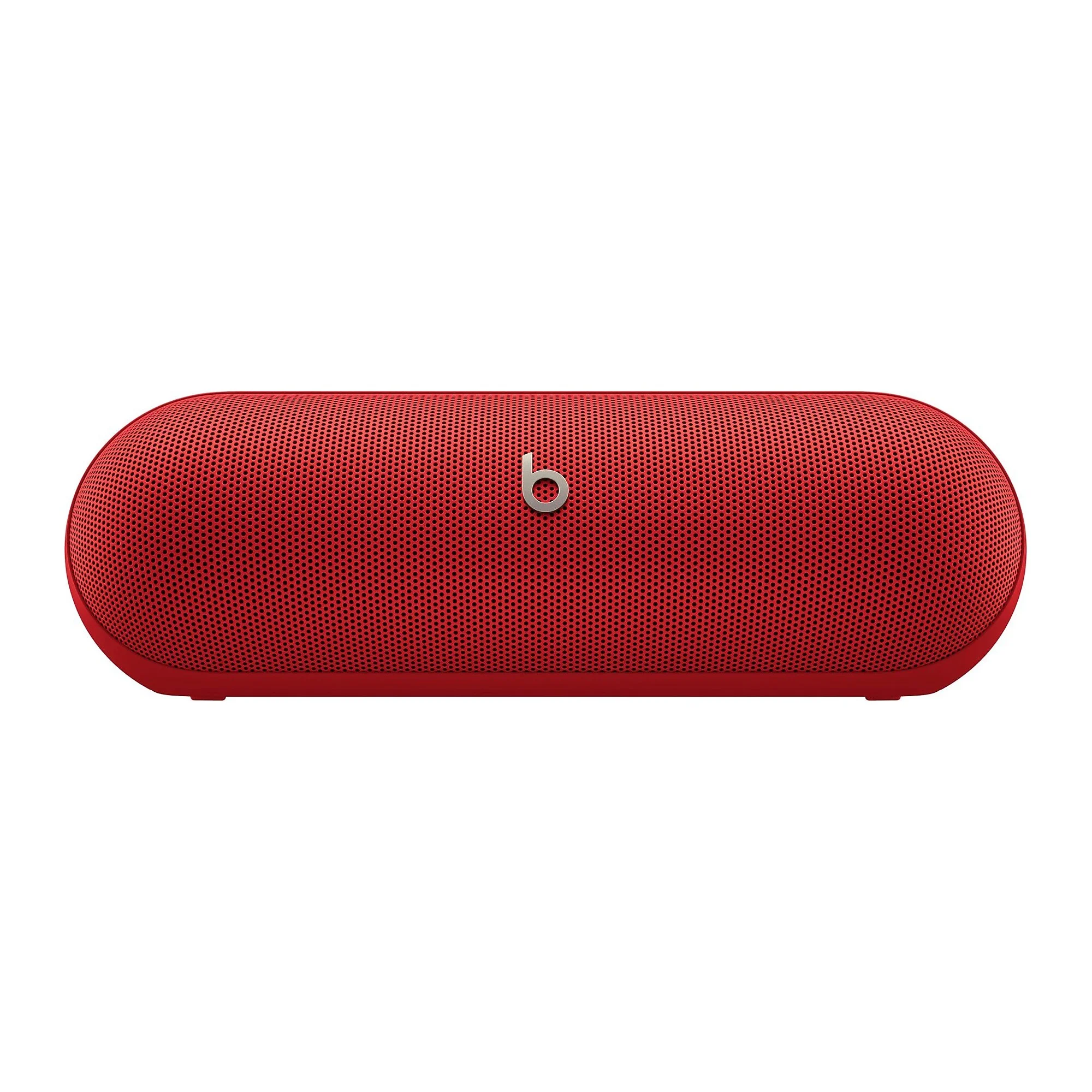
Beats Pill Wireless Bluetooth Portable Speaker — £129.95
Best for travel and casual listening where portability matters more than pristine audio. Lightweight at under 700g, it delivers 24-hour battery life and works with any Bluetooth device (not locked to Apple). Verdict: the most flexible option in this lineup because it doesn't require Apple ecosystem buy-in.
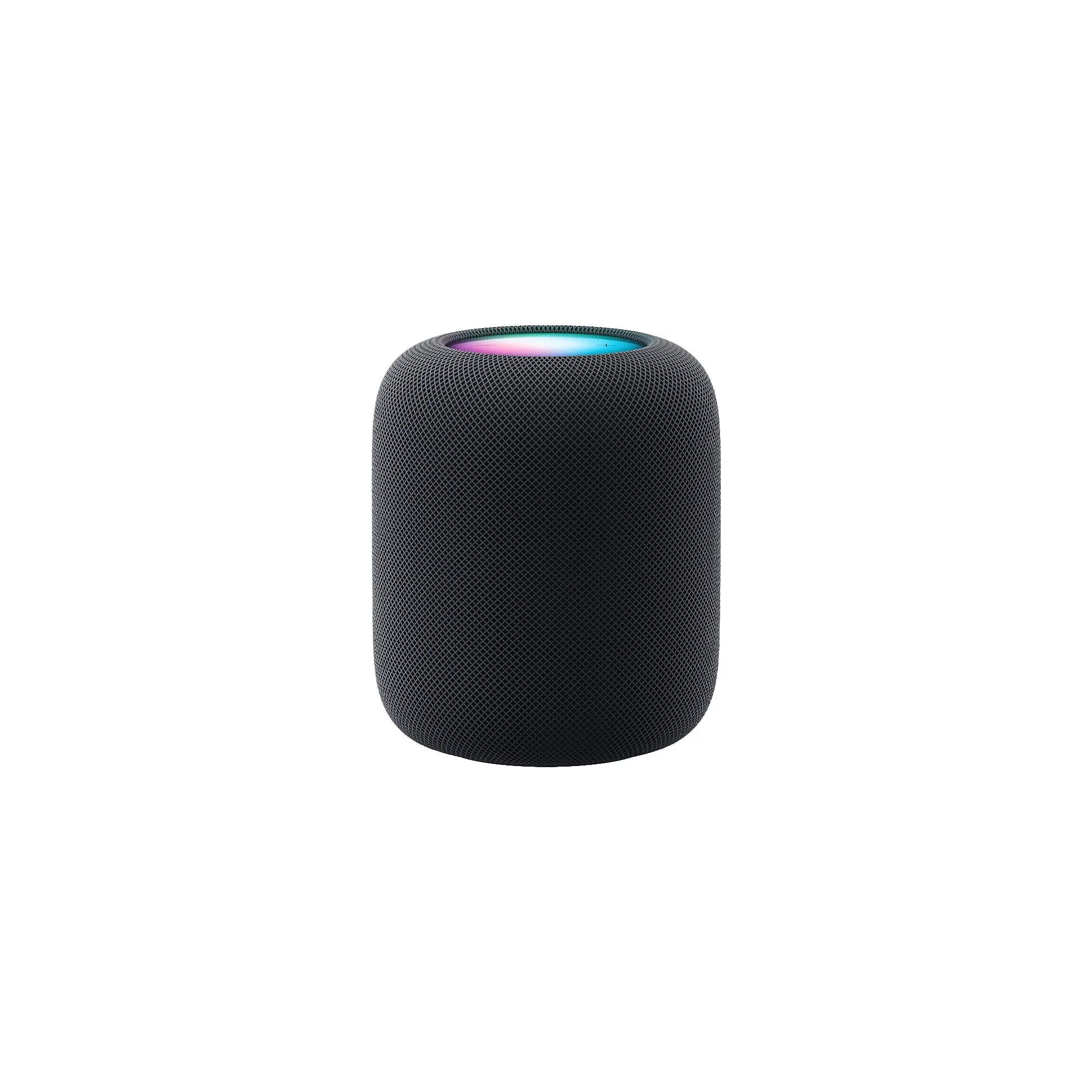
HomePod, 2nd Generation — £299.00
Best for those seeking premium audio quality in a home speaker, if you have space for a larger device. The 7-inch tall speaker delivers richer bass and fuller sound than the Mini, but demands shelf space and a corresponding price hike.
Quick Comparison
| Product | Price | Best For | Standout Feature | |---------|-------|----------|------------------| | AirPods Max | £375.00 | Studio-quality portable audio | Spatial audio with head tracking | | Apple Watch Series 11 | £436.15 | Fitness + iPhone notifications | Always-on Retina display | | HomePod Mini | £64.95–£99.00 | Budget smart speaker | HomeKit hub functionality | | Beats Pill | £129.95 | Travel speaker | Works with any Bluetooth device | | HomePod 2nd Gen | £299.00 | Premium home audio | Full-range acoustic design |
What to Look For
- Ecosystem compatibility: If you own an iPhone, Mac, or Apple Watch, interconnected products save setup time—but standalone devices like the Beats Pill work fine without Apple hardware.
- Specific use case over specs: The AirPods Max are technically superior to the Beats Pill, but a Pill is the smarter buy for travel because it's lighter (700g vs 384.8g) and costs £245 less.
- Battery life vs. portability trade-off: The HomePod Mini runs on mains power only, but the Beats Pill and AirPods Max offer 24-hour and 20-hour batteries respectively—check whether you need a tethered speaker or not.
- Audio quality benchmarks: The HomePod 2nd Gen and AirPods Max both deliver high-fidelity audio, but the HomePod is stationary while the AirPods are mobile—the choice depends on whether you're setting up a listening room or need music on the go.
The Bottom Line
If you want value without compromise, the HomePod Mini at £64.95–£99.00 delivers the best return on investment—it's genuinely affordable, sounds better than speakers at its price point, and works as a HomeKit hub if you're automating your home. For iOS users willing to spend more, the Apple Watch Series 11 at £436.15 justifies its cost through reliable fitness tracking and seamless iPhone integration. Skip the AirPods Max unless you specifically need portable studio-grade audio; the Beats Pill delivers 80% of the audio quality for 65% less money.
Frequently Asked Questions
Are Apple products worth the money?
Yes, but only if you're already in the ecosystem or need specific functionality they excel at. The HomePod Mini and Beats Pill offer genuine value; the AirPods Max and HomePod 2nd Gen are premium purchases that justify their cost through build quality and audio fidelity, not just the Apple logo.
Should I buy AirPods Max or a cheaper alternative?
Buy the AirPods Max if you regularly listen to lossless audio or need spatial audio for video—otherwise, competing headphones from Sony or Sennheiser offer similar noise cancellation at lower prices. The Beats Pill is the better choice if you prioritise portability and value over audio perfection.
Do I need an Apple Watch or is a cheaper smartwatch enough?
If you own an iPhone, an Apple Watch integrates so seamlessly that a cheaper alternative feels clunky by comparison. If you use Android or just need basic step counting, a £50–£100 Fitbit or Garmin watch will serve you fine and save £350.
Can I use these products without other Apple devices?
Yes. The Beats Pill works with any Bluetooth device. The HomePod and Apple Watch are more powerful with an iPhone, but the HomePod still plays music via AirPlay from any Apple device, and the Watch works (with limitations) on its own.