Which Apple Products Are Actually Worth Buying? A Clear Breakdown of What's Best
Apple's current lineup spans laptops, tablets, wearables, and smart home devices—but not everything justifies its premium pricing. The MacBook Pro 14-inch M5 and HomePod (2nd Gen) deliver genuine value for their segments, whilst some products like the Series 4 Watch and entry-level HomePod represent better value elsewhere. Here's what's genuinely worth your money.
Why Apple?
Apple was founded in 1976 and has built its reputation on integrated hardware-software ecosystems that prioritise longevity and resale value. Unlike competitors, Apple devices typically retain 70% of their value after two years, and software support extends 5-7 years past purchase—meaning your device stays fast and secure longer. Their chips (M3 Max, M5) deliver performance-per-watt efficiency that AMD and Intel struggle to match at comparable prices. If you own other Apple devices, the ecosystem integration—seamless handoff between devices, shared clipboard, continuity—genuinely saves time for professionals and enthusiasts. However, this premium costs money, and it only pays off if you're buying in.
Top Picks
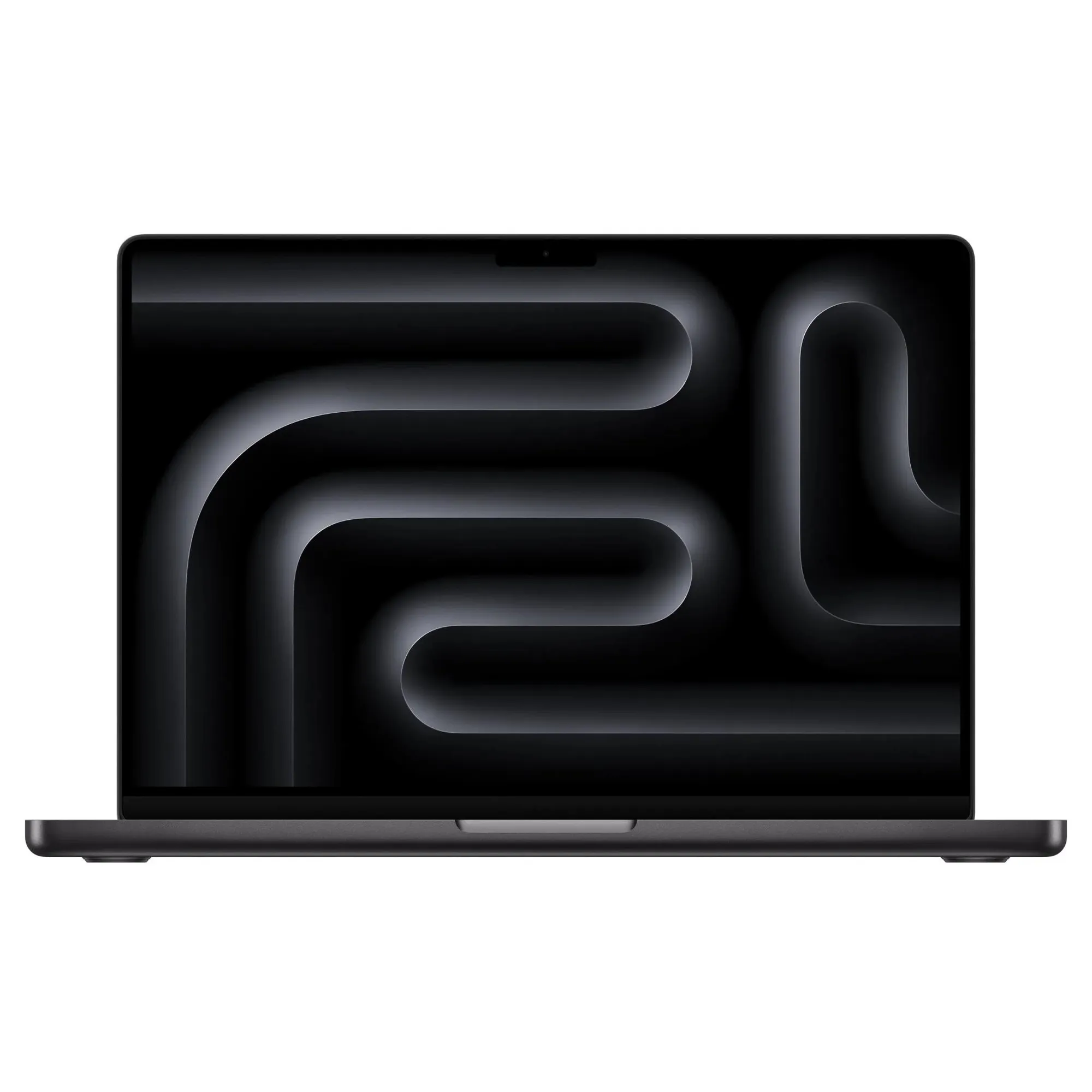
MacBook Pro 14-inch M5 Chip, 16GB RAM, 1TB SSD (Space Black) — £1,599
Best for: Professionals who need real portability without compromise on performance. This is the entry point to Apple's pro range, and it's where the value emerges. The M5 handles video editing, 3D rendering, and machine learning workloads that would require a £2,500+ Windows laptop. Battery life genuinely reaches 16-18 hours of real work. The 14-inch screen is the sweet spot between portability and usability—smaller than your desk monitor, large enough to work on for a full day. Resale value after three years sits around £950-£1,100.
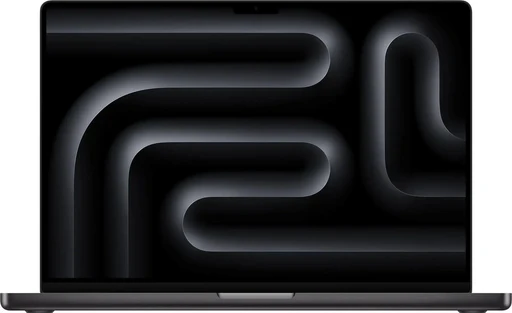
MacBook Pro 16-inch M3 Max, 64GB RAM, 2TB SSD (Space Black) — £3,499
Best for: Creative professionals doing heavy rendering, video colour grading, or running multiple virtual machines simultaneously. The 40-core GPU and 64GB RAM justify this price only if you're genuinely using those specs. This is not a productivity machine—it's a workstation. If you're just writing emails and browsing, the 14-inch M5 is objectively better value. If you're rendering 4K timelines or training neural networks, this saves you 6-10 hours per week compared to slower hardware.
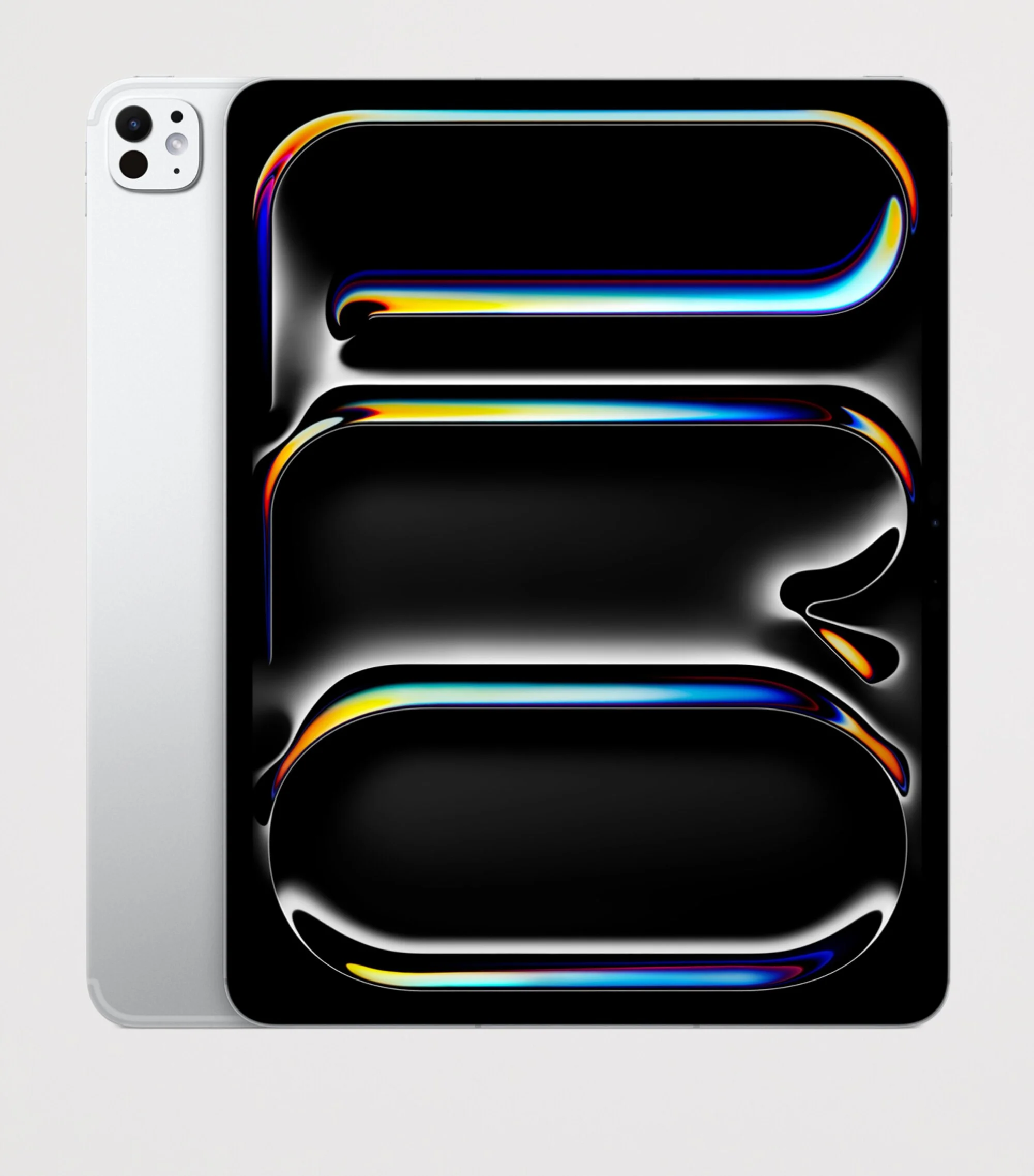
iPad Pro 13-inch WiFi, 1TB (Silver) — £2,600
Best for: Designers, illustrators, and note-takers who prefer pencil input over keyboard. The 13-inch screen genuinely replaces a Cintiq display for digital art. Storage at 1TB is excessive for most users; 256GB would suffice unless you're storing raw 4K video. However, if you already own other Apple devices, the ecosystem (AirDrop, iCloud continuity, Apple Pencil Pro support) is seamless. Value assessment: worse than a MacBook Pro for general computing, better than any Android tablet for creative work.
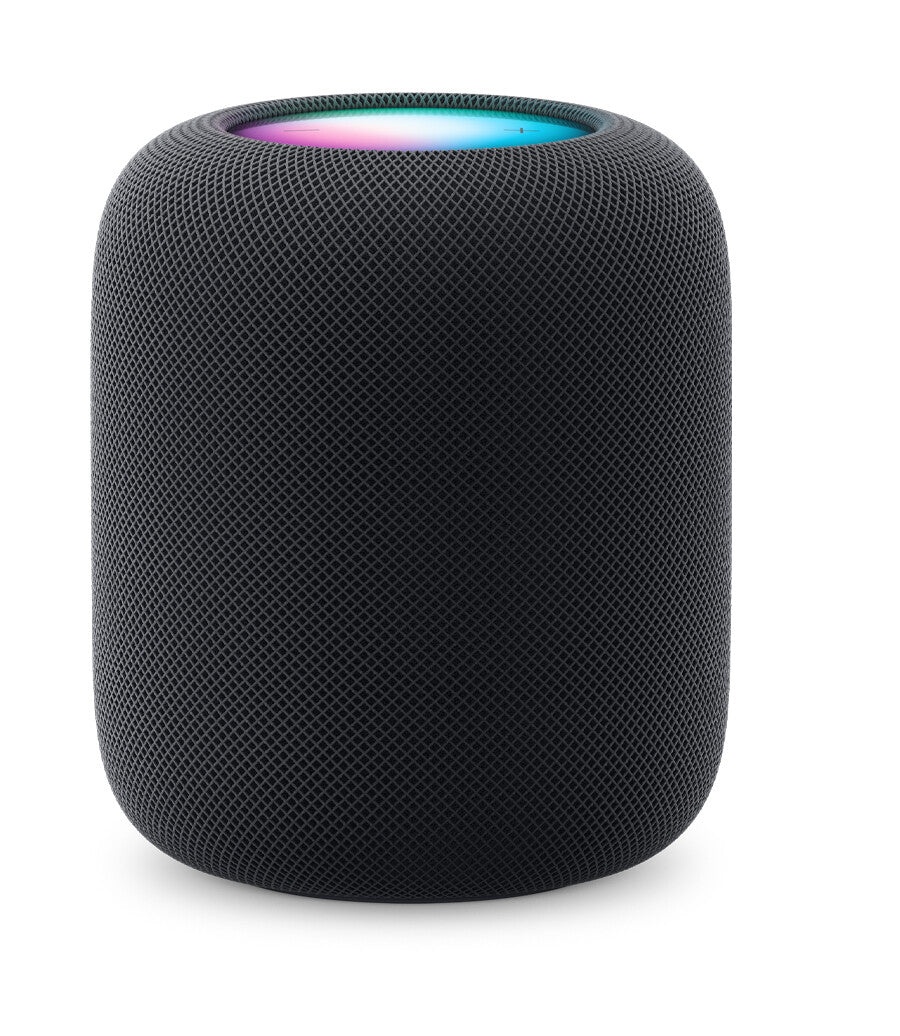
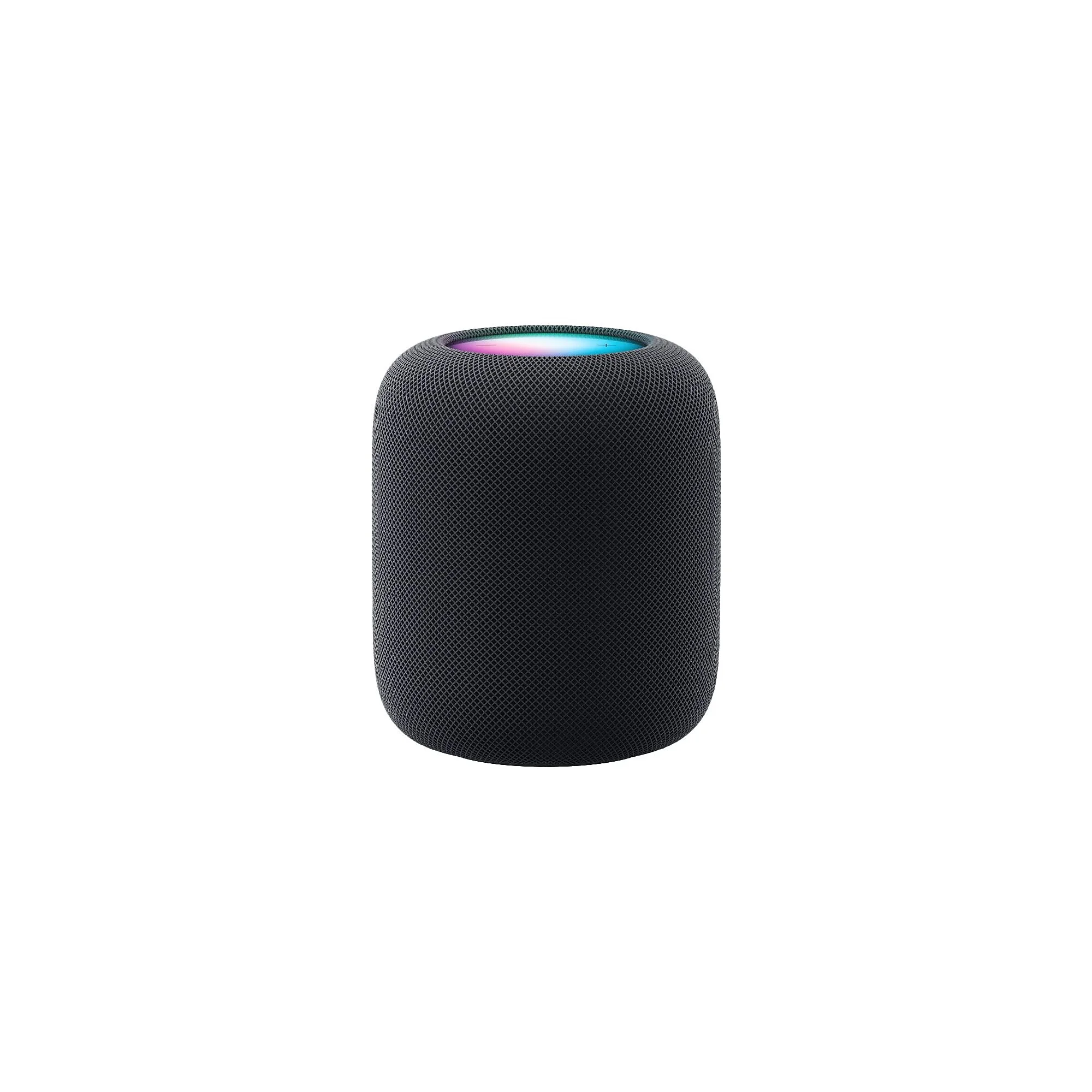
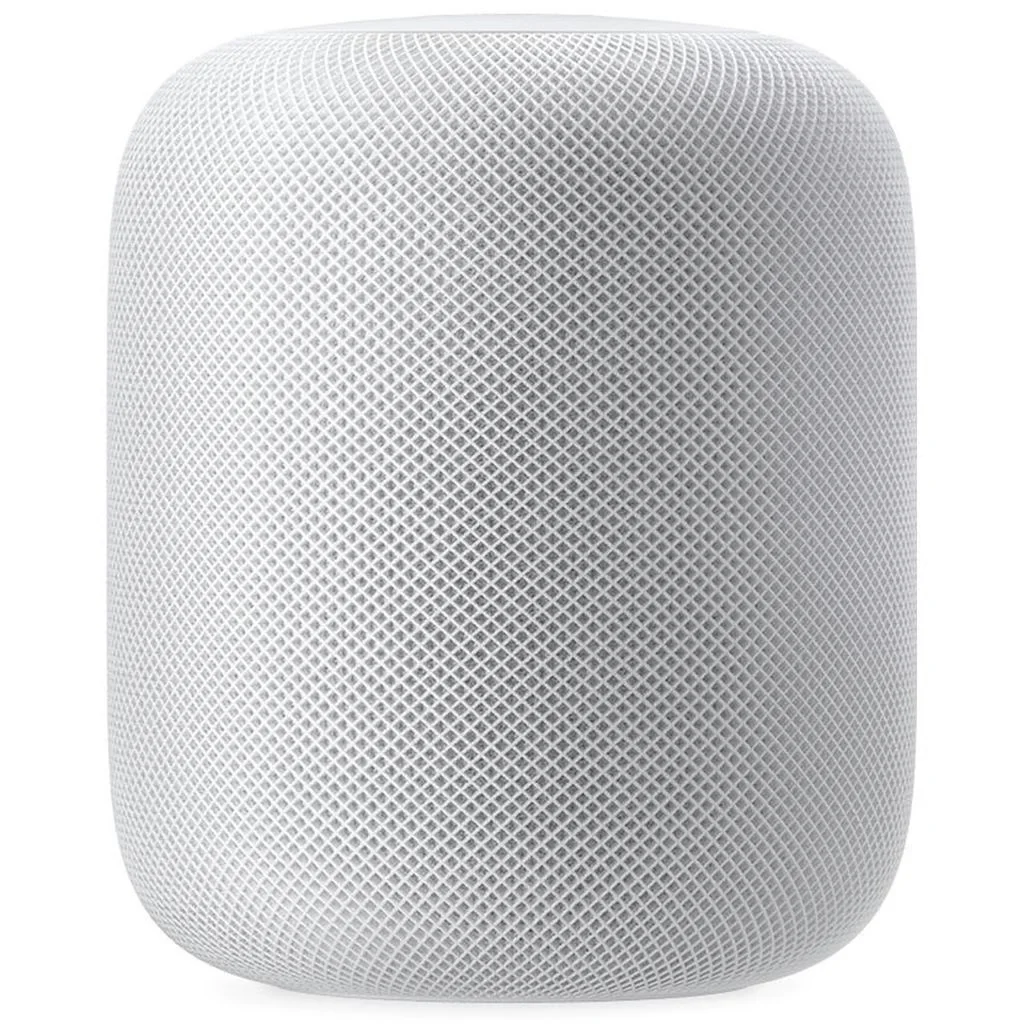
HomePod (2nd Gen) in Black or Midnight — £299-£452
Best for: Apple Music subscribers who want room-filling sound without a Sonos system. The 2nd Gen model trades some bass extension for a tighter, more detailed midrange. The £299 base version sounds identical to the £452 version; you're paying for colour and aesthetic preference only. Smart home integration is genuinely useful if you own HomeKit devices (lights, locks, cameras). If you use Spotify, save your money—HomePod's Spotify support is limited and unreliable.
Beats Fit Pro True Wireless Earbuds (Sage Gray) — £167.98
Best for: iOS-exclusive users who value comfort over sound quality. The fit is genuinely secure (passes the gym test), and ANC is adequate for trains and offices. However, sound is recessed and bass-light—you're paying for the Apple ecosystem (instant pairing, Siri integration, Find My). Standalone, these are middle-tier earbuds priced at premium level. Only worthwhile if you own an iPhone; Android users have better options at this price.
Quick Comparison
| Product | Price | Best For | Standout Feature | |---------|-------|----------|------------------| | MacBook Pro 14" M5 | £1,599 | Portable professional work | 16-18 hour battery, real-world performance | | MacBook Pro 16" M3 Max | £3,499 | Heavy rendering and workstation tasks | 40-core GPU, 64GB RAM for simultaneous workflows | | iPad Pro 13" | £2,600 | Digital art and creative design | Pencil pressure sensitivity, 13-inch display | | HomePod 2nd Gen | £299-£452 | Apple Music listeners | HomeKit integration, room-filling sound | | Beats Fit Pro | £167.98 | Secure gym use with iPhone | ANC, iPhone ecosystem pairing |
What to Look For
- Chip generation matters more than headline specs: The M5 outperforms the M3 Max in single-threaded work. Only choose M3 Max if you're running sustained multi-threaded tasks (rendering, compilation) or need the GPU cores.
- RAM and SSD are often overkill: 16GB RAM handles 95% of tasks. Unless you're running VMs or editing 8K video, 512GB SSD is sufficient. Apple's £400 upgrade fee for doubling storage is exploitative; future-proof with 1TB only if budget allows.
- Ecosystem lock-in is real but valuable: Continuity features (handoff, universal clipboard, iCloud sync) save professionals 3-5 hours weekly. Value this only if you own 2+ Apple devices; otherwise, buy the cheapest spec.
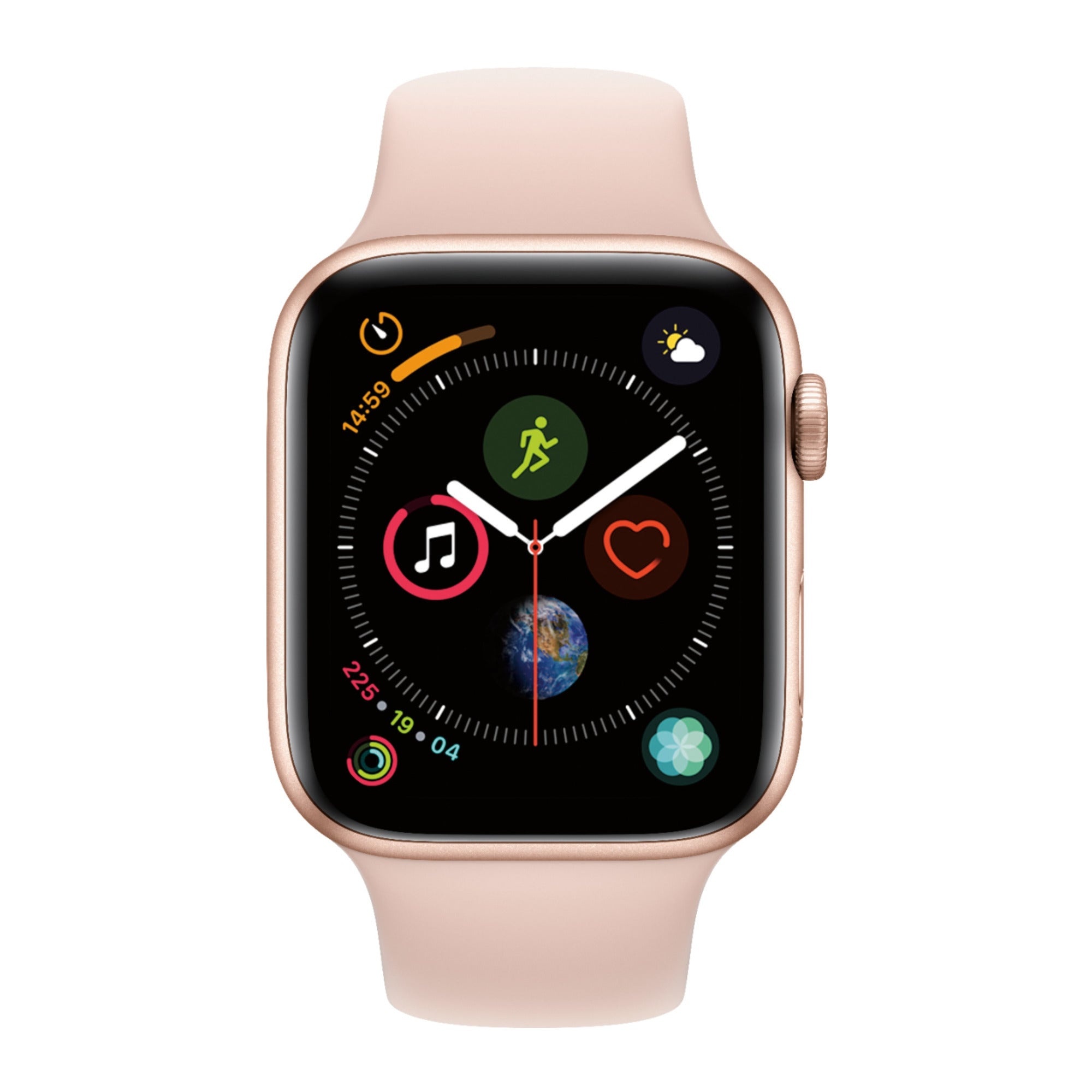
- Older watch generations (Series 4 at £119.95) are outdated: The Series 4 lacks blood oxygen monitoring, temperature sensing, and crash detection. At £119.95, it's cheaper than a 2nd-gen HomePod but useful only as a fitness tracker—not a smart device.
The Bottom Line
The MacBook Pro 14-inch M5 (£1,599) is the best value Apple product for professionals seeking genuine performance gains over Windows alternatives. The iPad Pro 13-inch (£2,600) justifies its cost only for illustrators and designers; general users should buy a MacBook instead. For smart speakers, the HomePod 2nd Gen at £299 is better value than the £452 variant—colour alone explains the price difference. Avoid the Series 4 Watch (outdated), Beats Fit Pro unless you're an iPhone owner, and any HomePod variant if you use Spotify.
Frequently Asked Questions
Is Apple worth the premium compared to Windows laptops?
Yes, but only if you're keeping the device 4+ years or using professional software. The M5 MacBook Pro delivers 20-30% better performance-per-watt than equivalent Windows machines at the same price. Resale value is 15-20% higher. However, if you replace laptops every 2 years or need Windows-only software (specific CAD tools, enterprise applications), Windows offers better value and flexibility.
Should I buy the 14-inch or 16-inch MacBook Pro?
Buy the 14-inch unless you're rendering video professionally or running large datasets. The screen size difference is negligible for most work (14-inch is still 13.5 inches usable width), and you save £1,900. The M5 chip handles everything except sustained multi-threaded rendering—if you do that work, the extra £1,900 for M3 Max is justified.
Are Apple headphones and earbuds good value?
Beats Fit Pro are good for secure fit in the gym but offer middle-tier sound at premium pricing. The main value is iPhone ecosystem integration (instant pairing, Siri). For audio quality alone, equivalent-priced Sony or Sennheiser models sound better. Only buy Beats if you're committed to iOS; otherwise, save £50-100 with alternatives.
Can the iPad Pro replace a laptop?
No, not realistically for professional work. iPadOS lacks file system depth, multitasking is limited to two windows, and external monitor support is newer and clunky. The iPad Pro is a creative tool for art, note-taking, and media consumption—not a laptop replacement. If you're choosing one device, buy the MacBook Pro 14-inch instead.