Which Apple Products Are Actually Worth Buying? A 2024 Guide to Their Best Sellers
Apple's current range is genuinely diverse—from a £67 HomePod to a £1,599 MacBook Pro—but not every product justifies its premium. The strongest picks are those that leverage Apple's ecosystem strength: the AirPods Max for audio engineering, the iPad Pro for creative work, and the MacBook Pro M5 for sustained performance. Everything else depends on whether you're already invested in Apple's ecosystem. If you are, most products integrate seamlessly. If you're not, cheaper alternatives often deliver similar functionality.
Why Apple?
Apple has manufactured electronics since 1976, but their current strength lies in vertical integration—they design hardware, software, and services to work together. The ecosystem lock-in is real: an Apple Watch works best with an iPhone, AirPods sync instantly across all your devices, and their silicon (M5 chips) outperforms most rivals at equivalent price points. They also commit to long-term software support; a 5-year-old iPad will still receive updates. That said, their pricing reflects brand premium as much as engineering. A HomePod costs 3–4× more than comparable Bluetooth speakers, and a MacBook Pro commands a 20–30% markup over similar Windows laptops with identical processors.
Top Picks
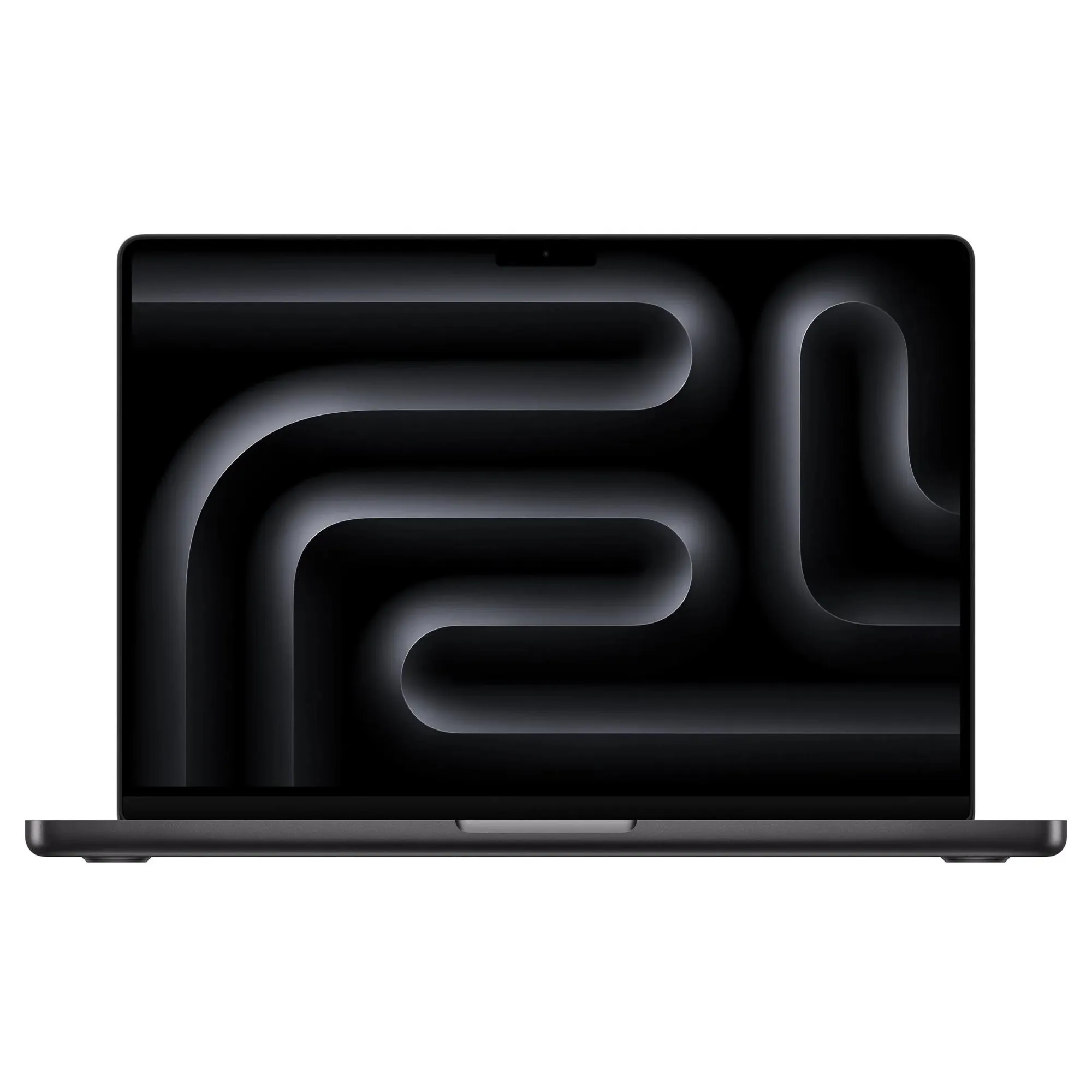
MacBook Pro 14-inch M5 — £1,599
Best for: creators, developers, and anyone who needs sustained performance without throttling. The M5 chip handles video editing, 3D rendering, and 50+ browser tabs without breaking a sweat. 16GB RAM and 1TB storage are both solid for this price tier. Verdict: the only laptop in this range that doesn't compromise on performance.
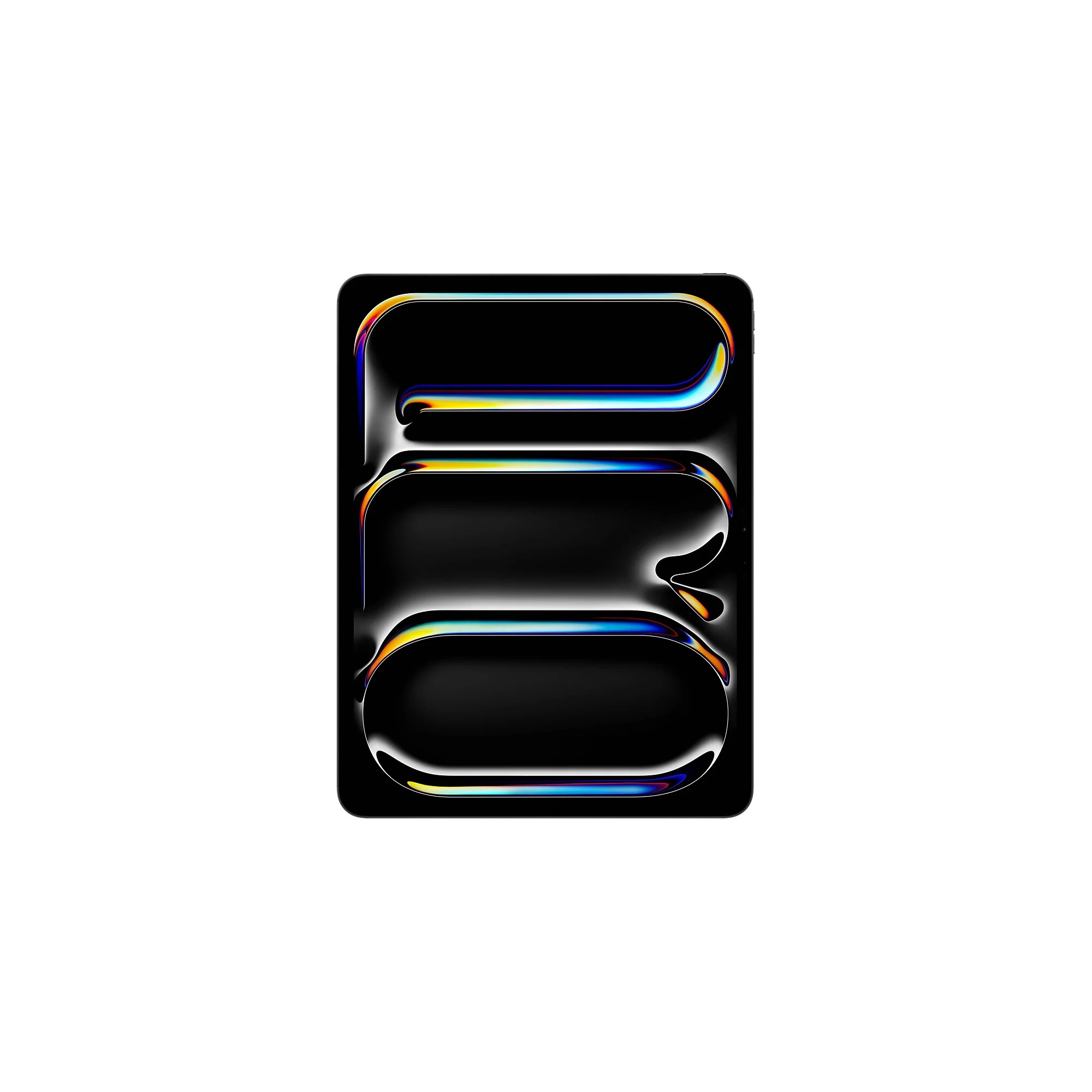
iPad Pro 13-inch (M5, 256GB) — £1,299
Best for: designers, students, and tablet-first workflows. The 13-inch screen is genuinely useful for creative work; the M5 chip overkills most tasks but future-proofs your investment. Verdict: overpriced for casual use, but unmatched for professional tablet work.
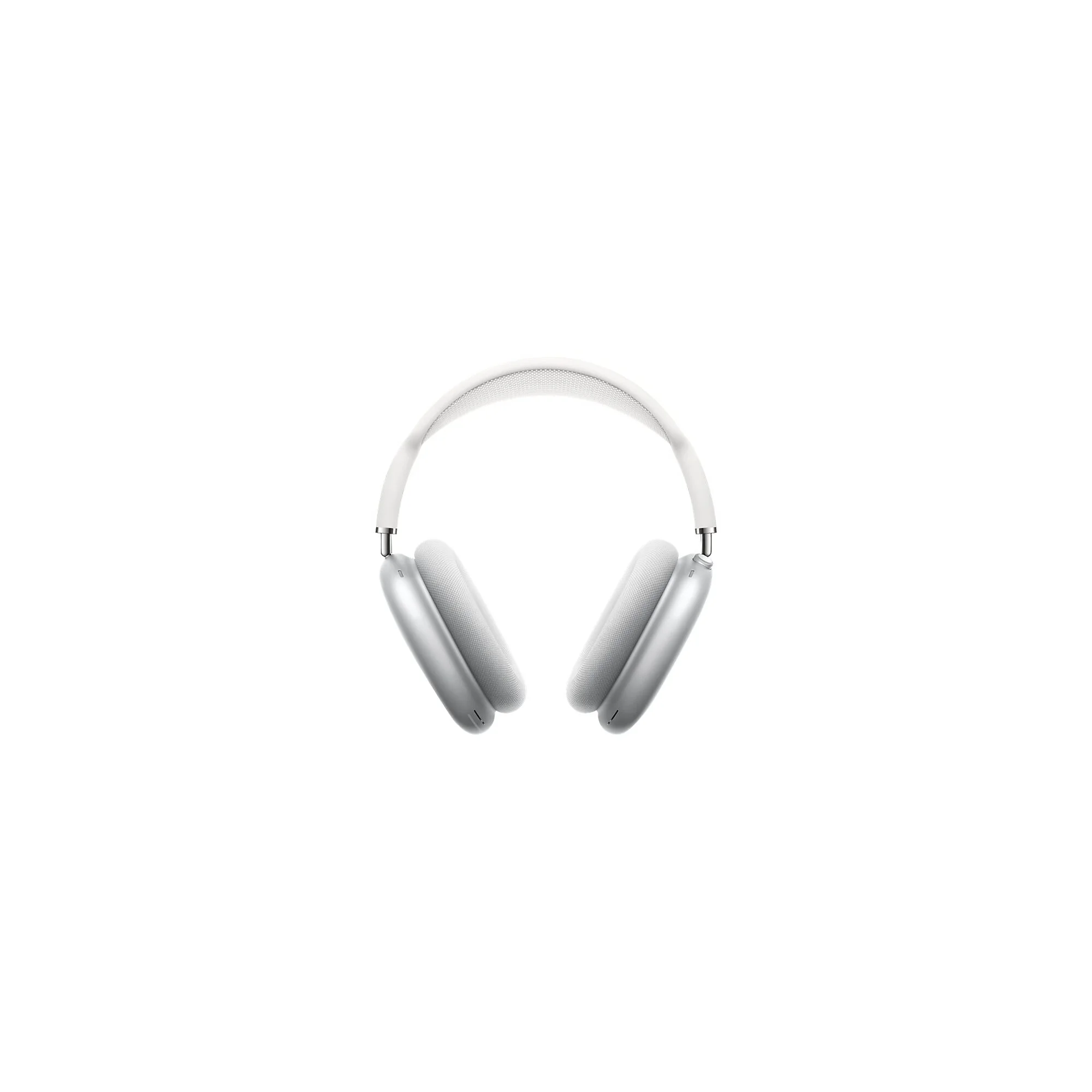
AirPods Max — £349.95
Best for: audio enthusiasts and anyone already in Apple's ecosystem who values noise cancellation and spatial audio. They're heavier than rivals and battery life (20 hours) trails the Sony WH-1000XM5 (30 hours), but audio quality is class-leading. Verdict: best headphones Apple makes, though not the best value headphones you can buy.
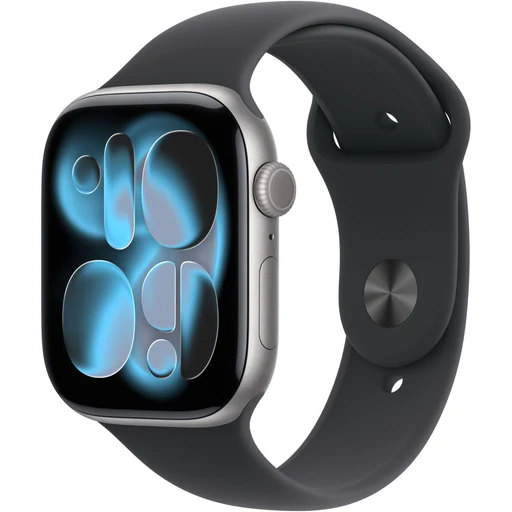
Apple Watch Series 11 (42mm GPS + Cellular) — £399
Best for: iPhone users who want integrated health tracking, payments, and notifications. Cellular adds £100 to the base price—only worth it if you run without your phone. Verdict: ecosystem-dependent, but the most useful smartwatch for iPhone owners.
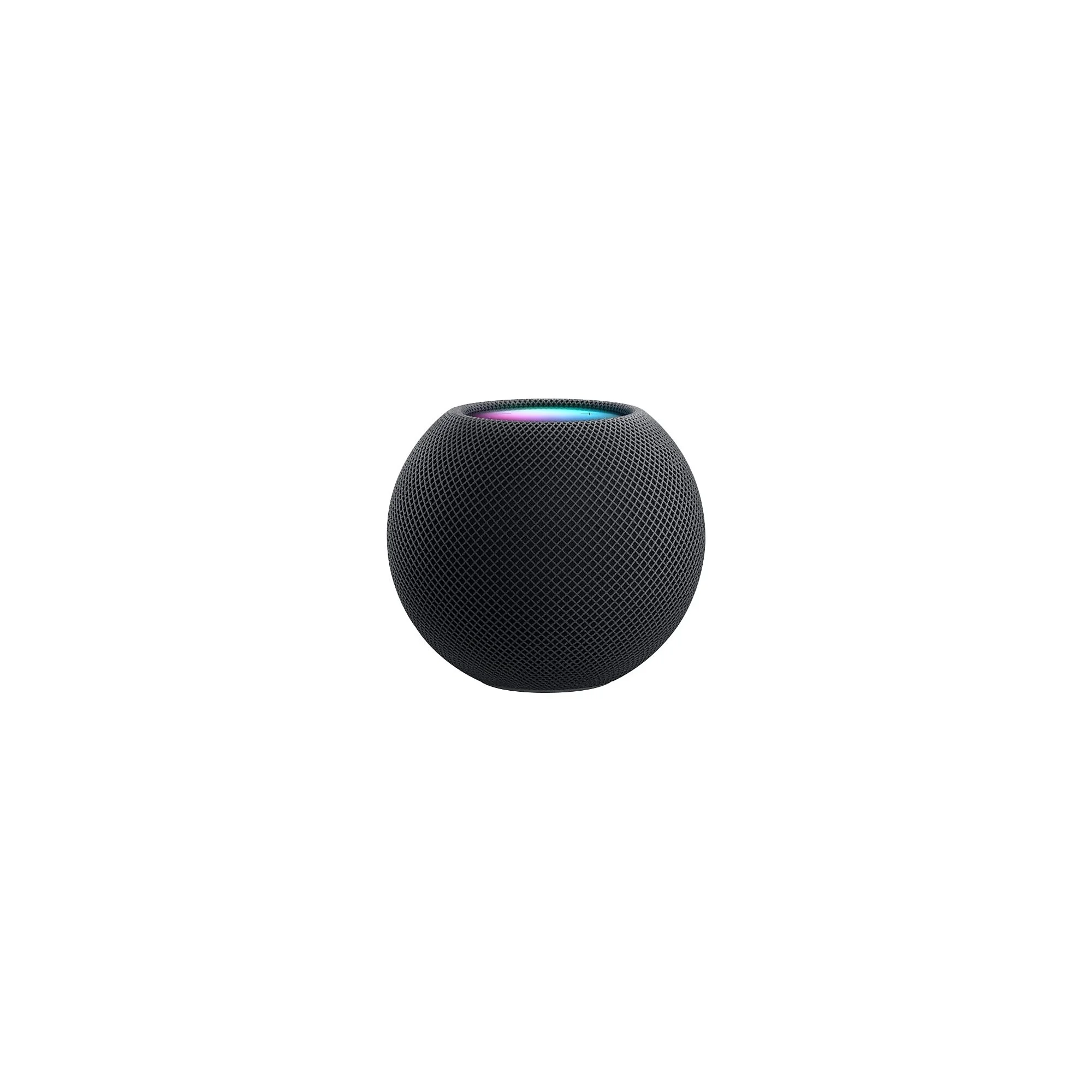
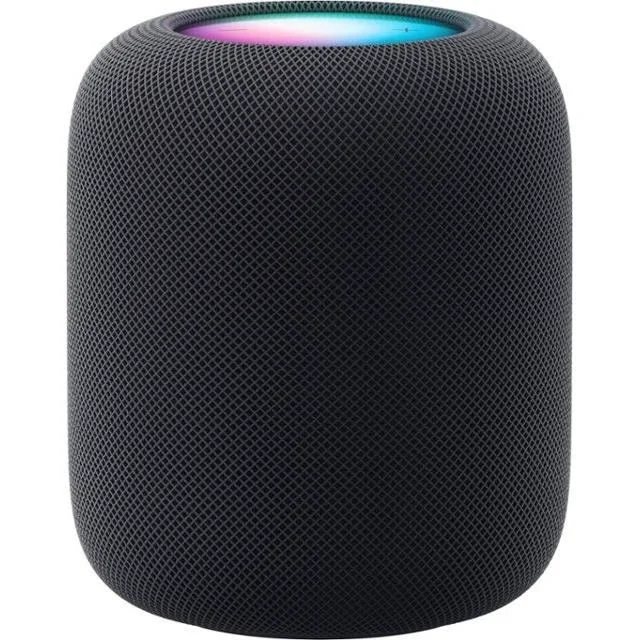
HomePod Mini — £99
Best for: Siri-heavy households and small spaces where speaker aesthetics matter. Sound quality is adequate but not exceptional; the real value is HomeKit integration for smart home control. Verdict: expensive as a standalone speaker, reasonable as a HomeKit hub.
Quick Comparison
| Product | Price | Best For | Standout Feature | |---------|-------|----------|------------------| | MacBook Pro 14" M5 | £1,599 | Creators, developers | Sustained performance, no throttling | | iPad Pro 13" M5 | £1,299 | Designers, professionals | 13-inch screen for creative work | | AirPods Max | £349.95 | Audio enthusiasts | Class-leading spatial audio, noise cancellation | | Apple Watch Series 11 GPS+C | £399 | iPhone users | Integrated health tracking, payments | | HomePod Mini | £99 | HomeKit users | Smart home integration, compact size | | Beats Fit Pro | £167.98 | Active users | Secure fit, reasonable price | | HomePod (2nd Gen) | £299 | Audio-first homes | Room-filling sound, HomeKit hub |
What to Look For
- Ecosystem dependency: Every Apple product works better if you already own other Apple devices. An AirPods Max without an iPhone loses half its features. An iPad Pro works fine standalone but shines with a Mac. If you're device-agnostic, factor in 20–30% lower perceived value.
- Storage capacity: Apple's base storage tiers (256GB for iPad, MacBook) are genuine minimums, not luxury options. If you edit video or store photo libraries locally, jump to 512GB or 1TB—upgrading later costs double.
- Chip generations: M5 chips (current in MacBook Pro, iPad Pro) represent genuine generational leaps; previous M4 models are now discounted 15–20%. Unless you need the exact chip, last generation often delivers 90% of the performance at 20% discount.
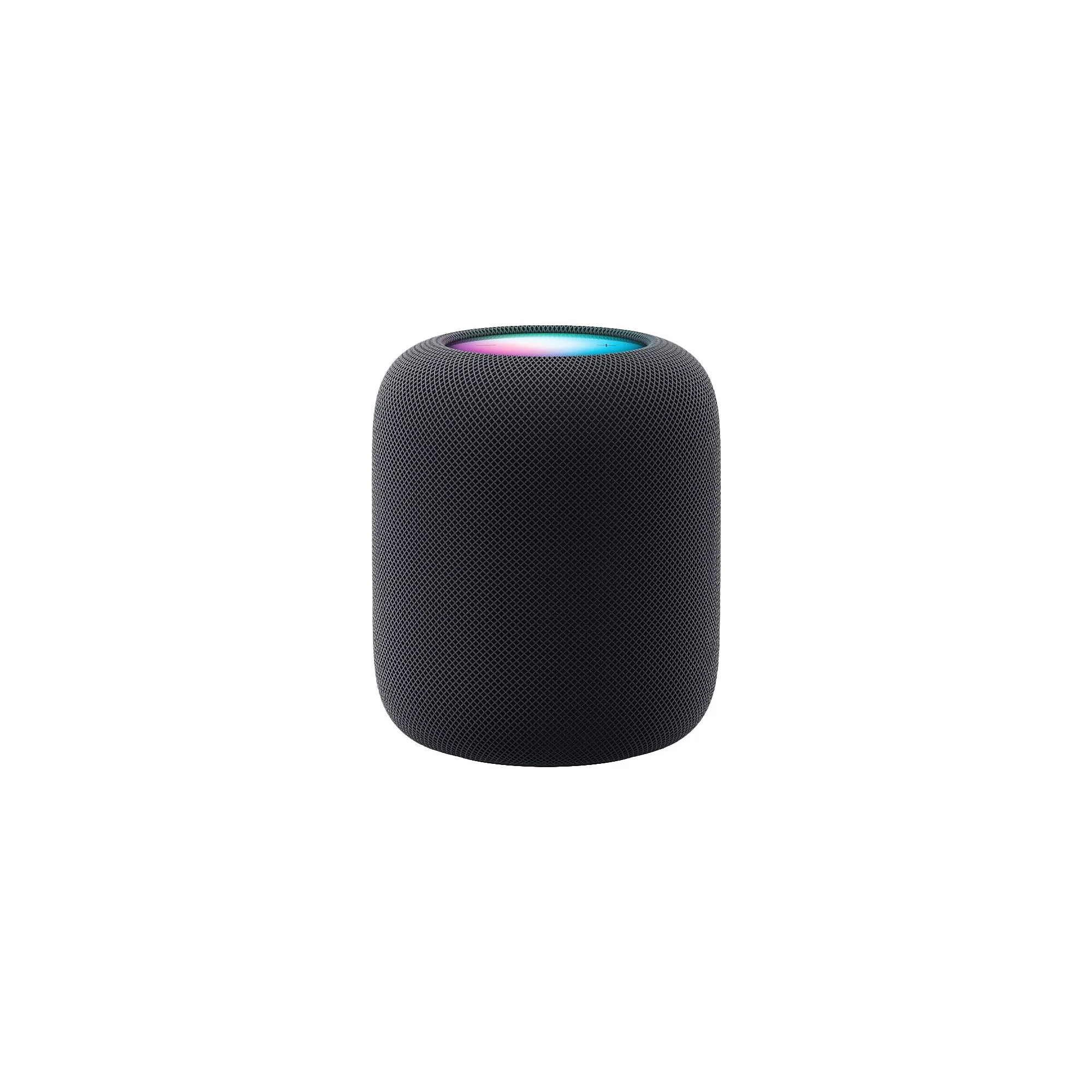
- Connectivity options: GPS-only Apple Watch costs £100 less than GPS+Cellular but adds friction (you need your phone nearby). HomePod Mini is Wi-Fi only; full HomePod (2nd Gen, £299) adds Bluetooth for multi-room audio. These aren't minor specs—they determine daily usability.
The Bottom Line
If you're already in Apple's ecosystem, buy the MacBook Pro 14" M5 (£1,599) for creative work or the AirPods Max (£349.95) for audio. Both justify their premium through engineering and integration. If you're not locked into Apple, a £99 HomePod Mini as a HomeKit hub makes sense, but skip the £299 full HomePod—buy a Sonos Arc instead. Apple's strength is ecosystem synergy, not individual product value; buy accordingly.
Frequently Asked Questions
Is Apple actually worth the premium over Windows or Android?
Yes, but only if you own multiple Apple devices. A standalone MacBook is 20–30% overpriced versus a similarly specced Windows laptop; an iPhone is roughly price-competitive with flagship Android phones. The premium accrues when you own three or more Apple devices—then integration saves time and frustration. If you're buying just one product, look elsewhere.
Should I buy last-generation Apple products?
Yes, for most users. An M4 MacBook Pro (2023) is 15–20% cheaper than M5 and handles 95% of workflows identically. The M5's generational leap is real but incremental. Only buy current generation if you need the specific new features (e.g., thinner design, longer battery) or plan to keep the device for 7+ years.
Do I need cellular on an Apple Watch?
No, unless you regularly run or commute without your phone. GPS-only saves £100 and still tracks fitness, payments (if your phone is home), and receives notifications when paired via Bluetooth. Cellular adds marginal convenience—weigh that against the cost.
Are AirPods Max better than Sony WH-1000XM5?
For audio quality and spatial audio, yes. For battery life (Sony: 30 hours vs Apple: 20 hours) and weight (Sony lighter), no. If you're already in Apple's ecosystem, AirPods Max. If you value battery life or own an Android phone, choose Sony.