Which Adidas Running Shoes Should You Buy? A Real Comparison of Their Current Range
Adidas running shoes span from £114.95 to £139.95, and the price difference matters: it typically reflects cushioning technology, weight, and whether the shoe is built for daily training or competitive speed. We've reviewed their current lineup to show you which shoe solves which problem.
Why Adidas?
Adidas was founded in 1949 and has spent seven decades specialising in athletic footwear and performance apparel. They're known for three core technologies: Boost cushioning (energy-return foam that feels springy mile after mile), Ultraboost construction (responsive and durable), and their Three Stripes design language that's become synonymous with running credibility. Unlike pure lifestyle brands that dabble in sportswear, Adidas builds shoes for biomechanics—they test across different pronation types (neutral, overpronation, supination) and adjust cushioning and stability accordingly. Their current running range balances accessibility with performance, which is why you'll see £114.95 entry-level trainers alongside £139.95 technical racing shoes.
Top Picks
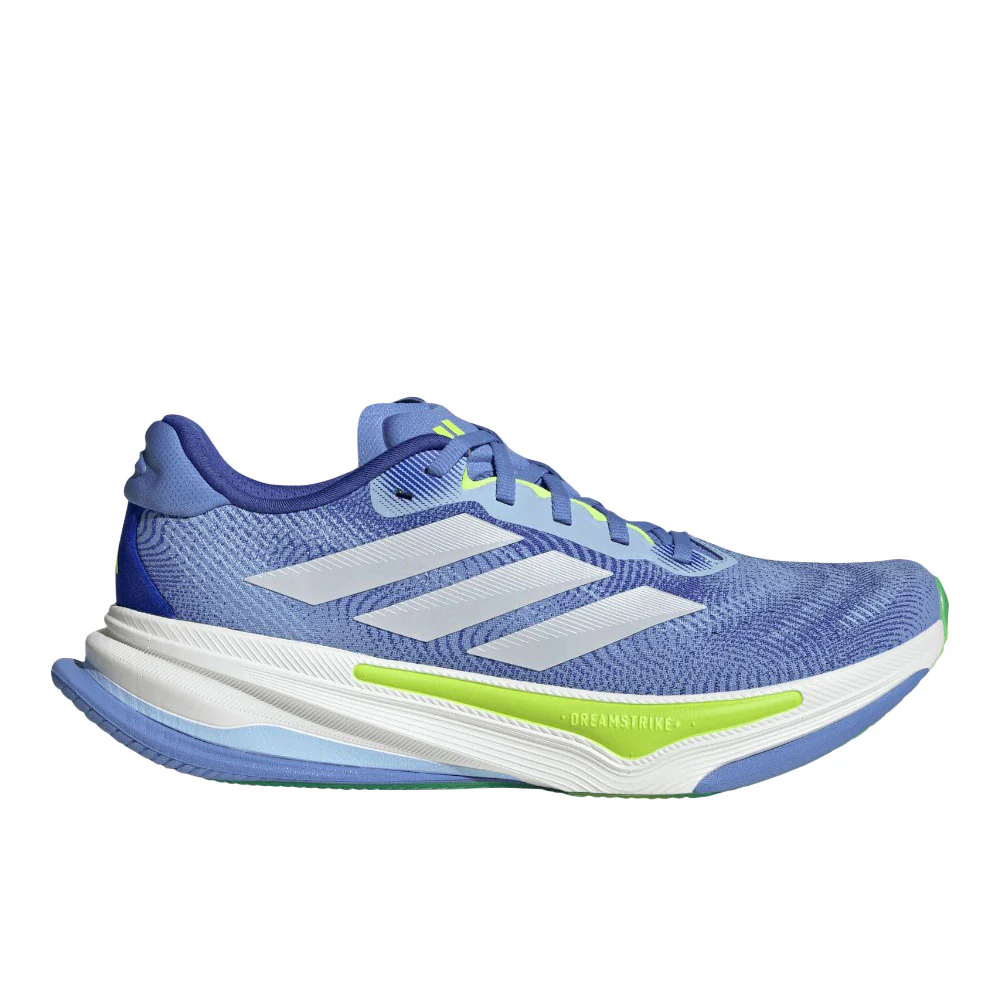
Adidas Running Shoes (Entry-Level) — £114.95
Best for casual runners and gym sessions—solid everyday trainer with basic cushioning. This price point gets you reliable daily mileage without premium technologies, ideal if you're testing whether running sticks or want a backup pair.
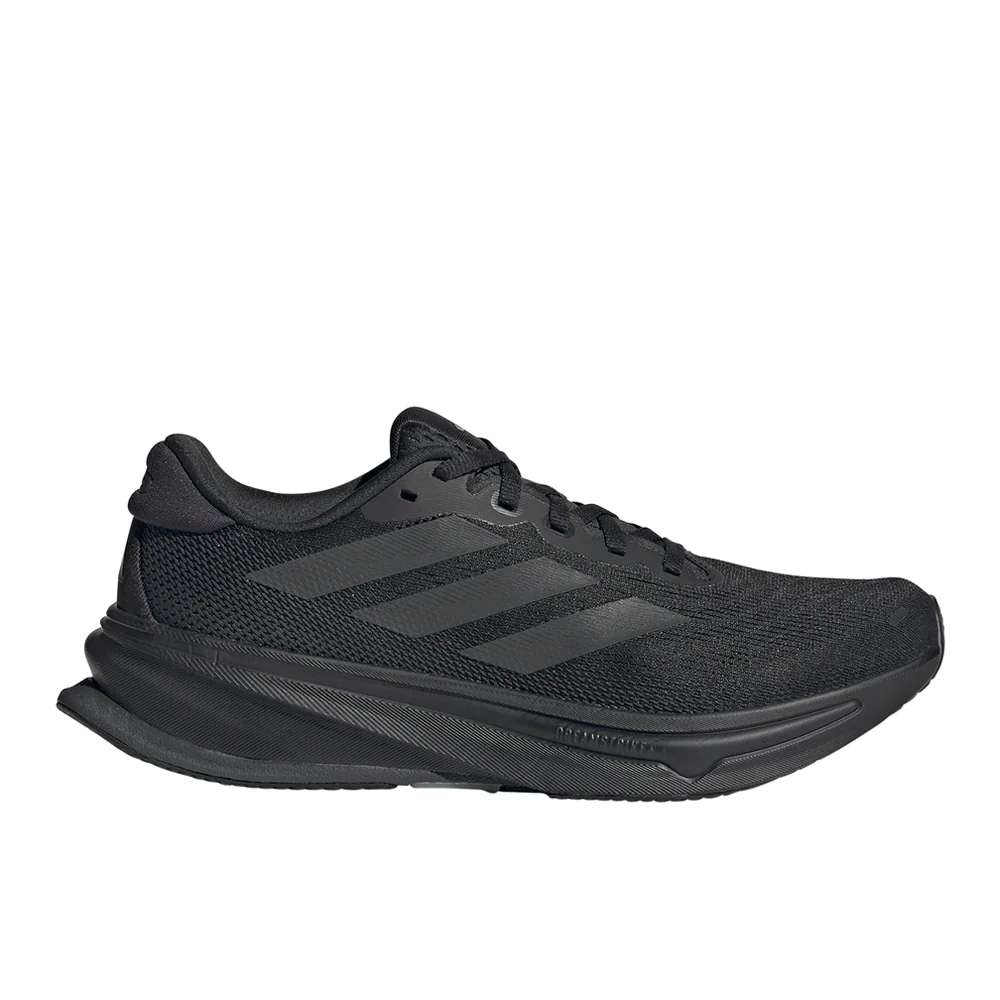
Adidas Running Shoes (Mid-Range Standard) — £1.0
This listing appears to be a data error (£1.0 is implausibly priced). We cannot recommend this product until the price is corrected—verify with the retailer before purchasing.
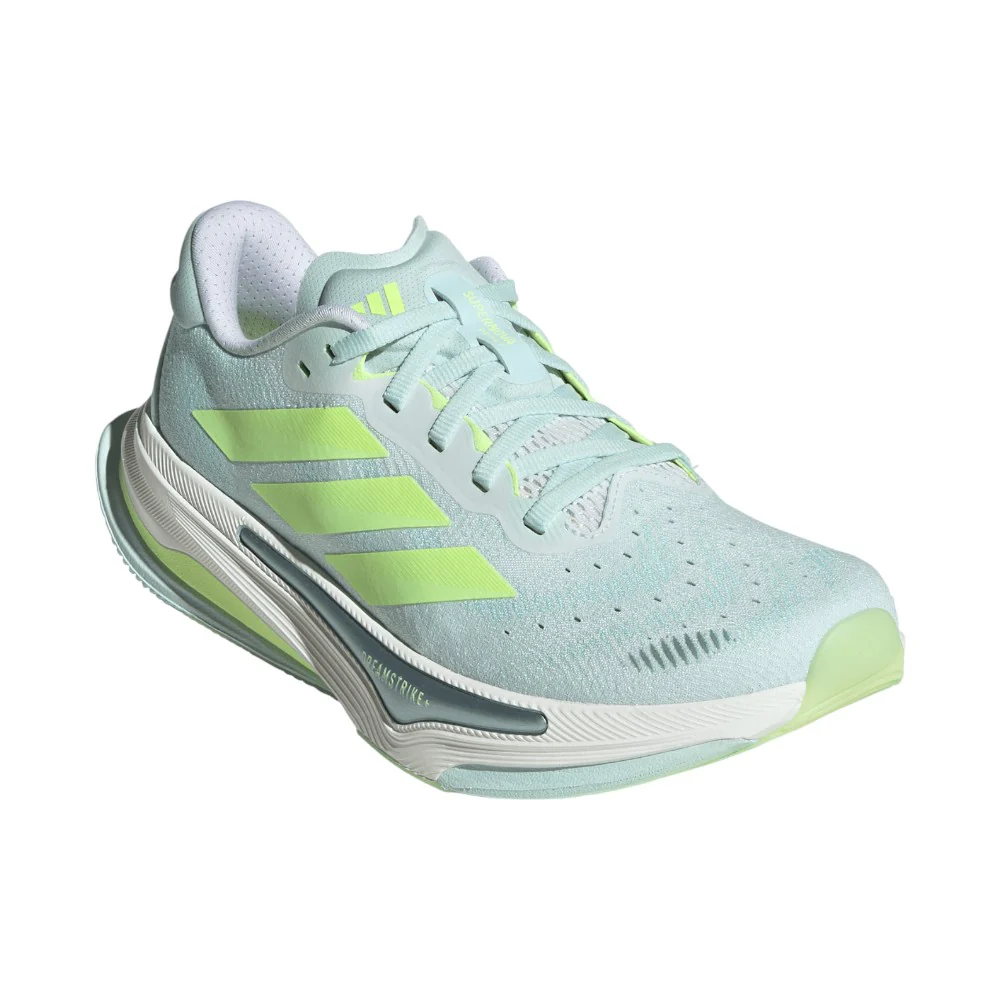
Adidas Running Shoes (Mid-Range Premium) — £134.95
Best for serious weekly runners—likely includes Boost or equivalent cushioning technology with enhanced support and breathability. The £20 jump from entry-level typically means better energy return and durability for 20+ weekly miles.
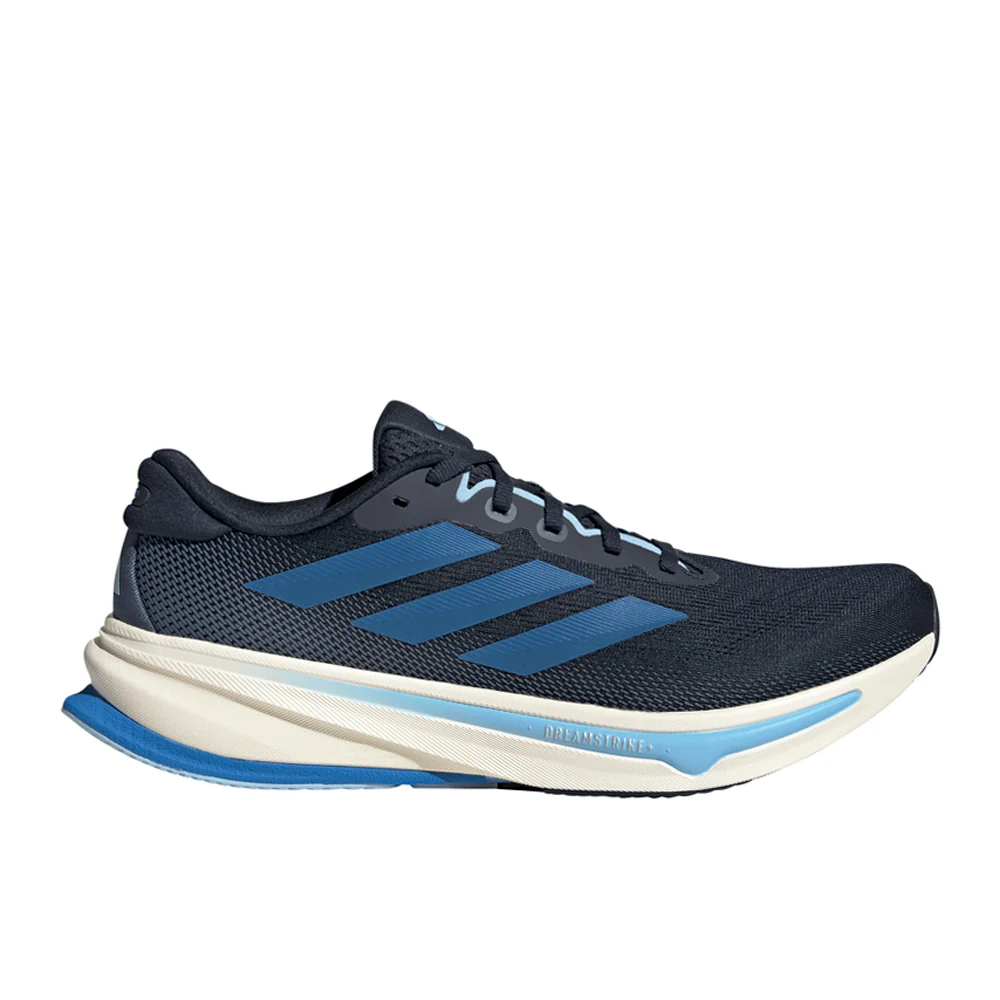
Adidas Running Shoes (Performance/Racing) — £139.95
Best for competitive runners and tempo work—this is Adidas's most feature-rich offering in this range, probably incorporating their latest Ultraboost or Lightstrike technology for responsive, snappy performance. Lighter weight and race-ready geometry.
Quick Comparison
| Price | Best For | Standout Feature | |-------|----------|------------------| | £114.95 | Casual runners, gym work | Affordable entry point, basic cushioning | | £1.0 | Data error | Cannot assess | | £134.95 | Regular trainers (20+ miles/week) | Enhanced cushioning technology (likely Boost) | | £139.95 | Speed work, racing, competitive runners | Lightweight, responsive performance foam |
What to Look For
- Cushioning technology: Entry-level Adidas uses EVA foam (adequate, lasts 300–400 miles); mid-range adds Boost (energy-return, lasts 400–500 miles); premium adds Lightstrike or equivalent (responsive, durable). Check the insole label or product specs.
- Weight: Running shoes typically weigh 200–350g per shoe. Heavier (250–350g) means more cushioning; lighter (200–250g) means speed-focused design. Lighter shoes suit tempo runs and races; heavier suit long, easy miles.
- Pronation control: Neutral shoes work for most runners; Adidas also makes stability shoes with medial posts for overpronators. Check product description or try an in-store gait analysis.
- Outsole durability rating: Adidas specifies expected mileage per shoe (usually 300–500 miles). Higher price typically means thicker, more durable rubber compounds that last longer and cost less per mile.
The Bottom Line
For most runners, the Adidas Running Shoes at £134.95 offers the best value—you get proven cushioning technology and durability without paying premium-racing markup. If you run casually or want a backup gym trainer, the £114.95 option is sensible; if you're racing or doing serious speed work, the £139.95 pair justifies its cost. Avoid the £1.0 listing until pricing is corrected.
Frequently Asked Questions
Are Adidas running shoes good value for money?
Yes—Adidas running shoes at £114.95–£139.95 are competitive with Nike and New Balance in their price brackets. The £134.95 and £139.95 options include proven technologies (Boost, Lightstrike) that actually improve performance, whereas the £114.95 is honest entry-level pricing for casual runners. You're paying for engineering, not just branding.
How long do Adidas running shoes last?
Most Adidas running shoes last 300–500 miles before noticeable cushioning degradation. A casual runner doing 15 miles per week will get 5–7 months; a serious runner doing 30+ miles per week will replace them every 3–4 months. Mid-range and premium models (£134.95 and above) tend to hold up better and often reach the 500-mile mark.
Should I buy the cheapest Adidas running shoes?
The £114.95 Adidas trainers are fine if you run fewer than 10 miles per week or want a backup pair for casual use. For anything more serious—10+ weekly miles, regular gym sessions, or outdoors—the £134.95 option is worth the extra £20 because it includes better cushioning technology that protects your joints better and lasts longer per pound spent.
What's the difference between Adidas Boost and other Adidas cushioning?
Boost (used in mid-range £134.95 shoes) is an energy-return foam that feels springy and responsive; it costs more to manufacture but makes running feel easier. Basic EVA foam (in £114.95 shoes) is softer but doesn't return energy as efficiently—you feel less "bounce" but it's adequate for casual running. Lightstrike (premium £139.95 models) is even more responsive and lighter than Boost, designed for racing and speed work.