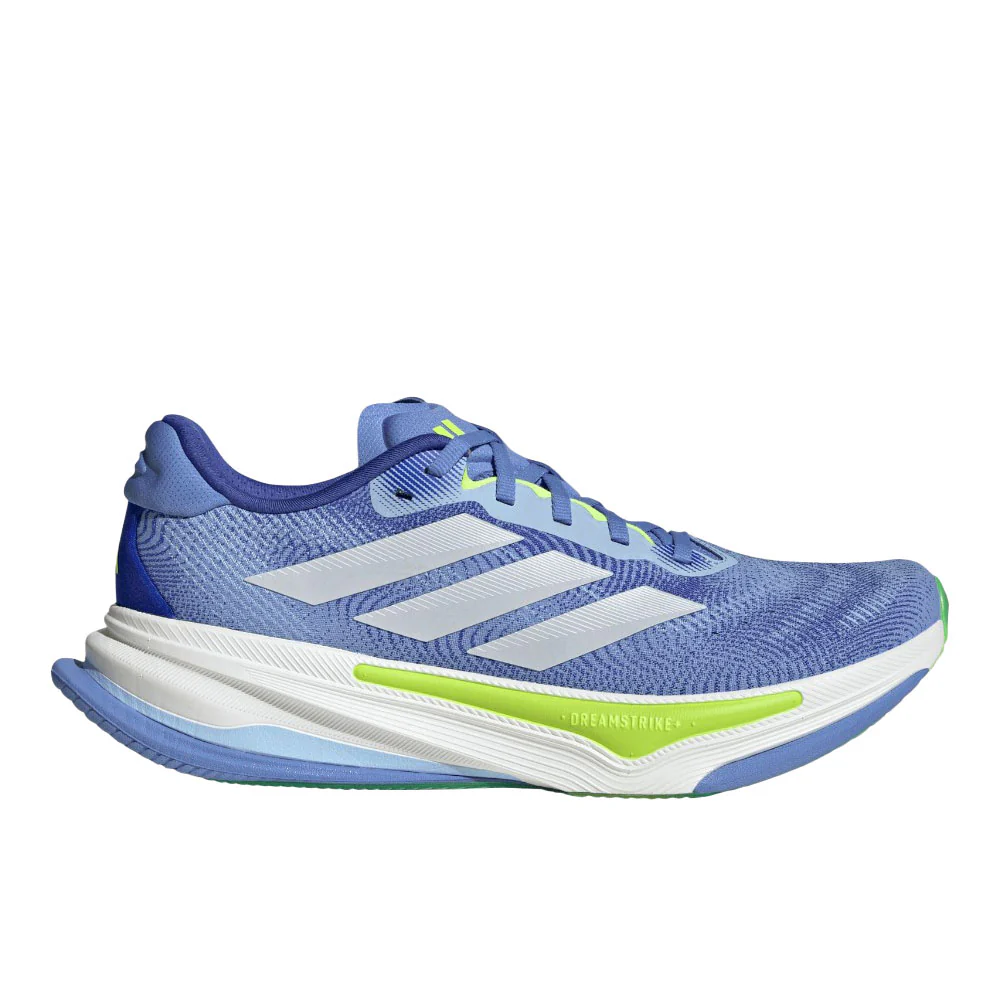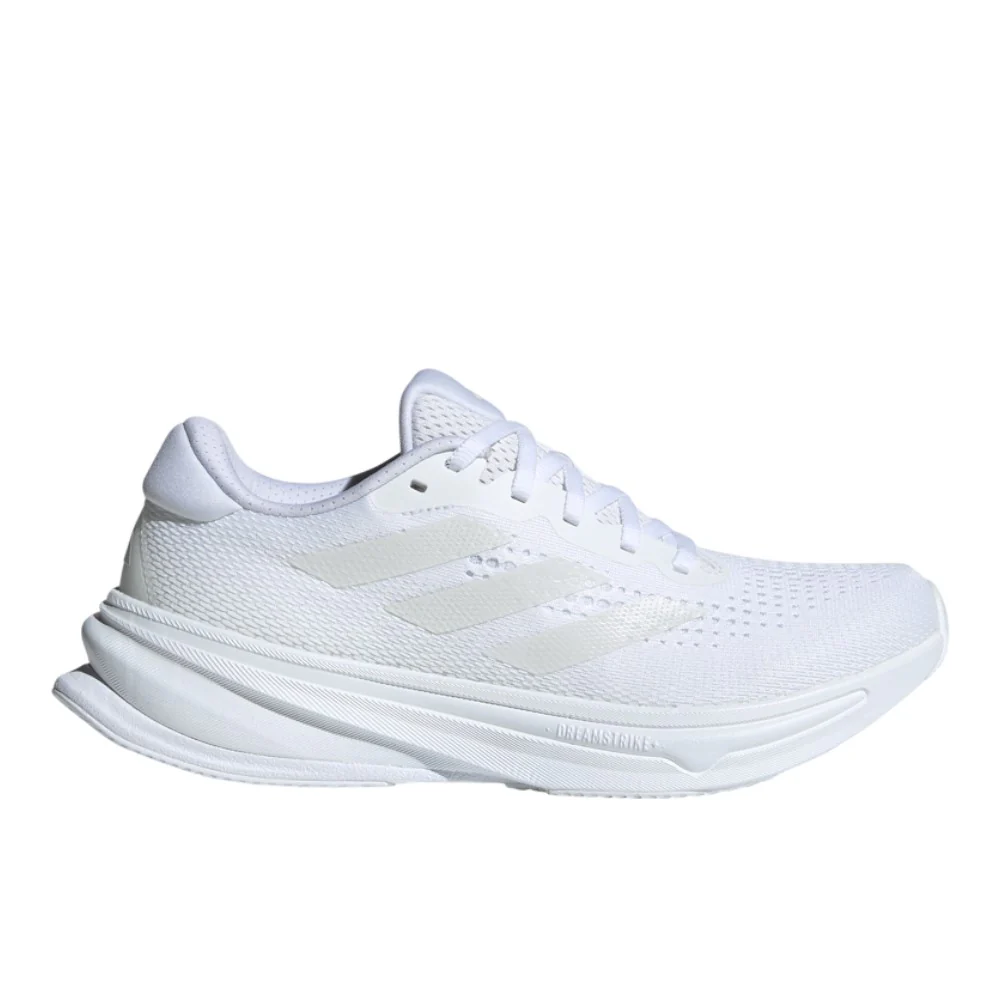
Adidas running shoes span a wide price range—from £24 budget options to £160 premium models—so the right choice depends on your budget and running intensity. If you're looking for everyday comfort at a bargain, the £24 Women's Running Shoes are hard to beat; for serious distance training, the £160 flagship model delivers advanced cushioning tech that justifies the premium.
Why Adidas?
Adidas has been engineering athletic footwear since 1949, and running shoes remain a core strength. The brand focuses on responsive cushioning (their Boost and Ultraboost technologies are industry standards) and biomechanical precision—most Adidas running shoes incorporate arch support and heel stabilisation designed for impact absorption on hard surfaces. Unlike general casual trainers, Adidas running shoes are engineered specifically for the repetitive impact of jogging, with reinforced toe caps, breathable mesh uppers, and energy-return midsoles. This specialisation is why runners tend to see better performance and fewer injuries with dedicated running shoes rather than lifestyle trainers.
Top Picks
Adidas Women's Running Shoes — £24
Best for budget-conscious runners and casual joggers who prioritise affordability over cutting-edge tech. At £24, these offer surprising value—basic cushioning, breathable mesh, and decent durability for 3-4 runs per week. The verdict: entry-level comfort that won't break the bank, though don't expect the responsive feel of pricier models.
Run 84 Running Shoes — £44
Best for runners seeking the sweet spot between price and performance. The Run 84 sits in the mid-range and typically includes lightweight mesh construction, modest midsole cushioning, and a durable rubber outsole suitable for road running. The verdict: solid all-rounder that handles both casual and structured training without premium pricing.
EQ19 Running Shoes — £54.95
Best for runners who want slightly elevated comfort without jumping to the £160 tier. The EQ19 designation suggests Adidas's equipment line, implying better component quality—expect improved cushioning responsiveness, reinforced heel counters, and enhanced breathability. The verdict: meaningful step up from basic models; recommended for runners logging 15+ miles weekly.
Running Shoes (Premium) — £159.95
Best for serious distance runners and those with biomechanical issues like overpronation. Premium Adidas running shoes typically feature proprietary cushioning tech (Boost or Ultraboost midsoles), precision-engineered arch support, and advanced moisture-wicking uppers. The verdict: investment-grade footwear designed for half-marathons and beyond; noticeable performance gain justifies the price for regular runners.
Running Shoes (Standard Mid-Range) — £59.95
Best for recreational runners seeking reliable daily trainers with balanced cushioning. This price point usually includes decent midsole foam, reinforced toe protection, and adequate breathability for varied weather. The verdict: reliable workhorse for 10-25 miles per week; sits between budget basics and premium tech.
Quick Comparison
| Product | Price | Best For | Standout Feature | |---------|-------|----------|------------------| | Women's Running Shoes | £24 | Budget joggers | Entry-level affordability | | Run 84 | £44 | Casual runners | Mid-range value balance | | EQ19 | £54.95 | Frequent trainers | Enhanced cushioning responsiveness | | Standard Running Shoes | £59.95 | Daily runners | Balanced performance and durability | | Premium Running Shoes | £159.95 | Distance athletes | Advanced tech and biomechanical support |
What to Look For
- Midsole cushioning: Budget models use basic EVA foam; £50+ models typically include Adidas Boost or Ultraboost—proprietary foams that compress less and return energy more efficiently, reducing foot fatigue on long runs.
- Fit and arch support: Neutral shoes suit even-gaited runners; motion-control shoes (often more expensive) include firmer medial posts to prevent excessive inward roll if you overpronate. Check your gait type before buying.
- Weight: Lighter shoes (under 250g) suit speed work; heavier shoes (270g+) often include more cushioning, better for marathon prep and injury prevention.
- Durability rating: Expect 300-500 miles before noticeable sole degradation. Premium Adidas shoes often use harder rubber outsoles that last longer; budget options may need replacement sooner.
The Bottom Line
For most recreational runners, the EQ19 at £54.95 offers the best value—it's affordable enough for beginners but includes enough quality cushioning for consistent training. However, if budget is the priority, the £24 Women's Running Shoes are genuinely functional for casual joggers, while the £159.95 premium model is worth the investment only if you're logging 20+ miles weekly or dealing with specific biomechanical needs. Match your spending to your running frequency: casual joggers need £24–£44 shoes; serious runners should invest £55+.
Frequently Asked Questions
Are Adidas running shoes worth the money compared to cheaper brands?
Adidas running shoes hold their value well because they're engineered specifically for impact absorption and stability—not just styled as trainers. The £54–£160 range includes proprietary cushioning tech (Boost foam, for example) that genuinely reduces impact fatigue; budget alternatives use basic EVA foam that compresses faster. For 10+ miles weekly, the performance difference is noticeable enough to justify mid-range pricing (£50–£75). Below £40, you're paying for the brand and basic functionality; above £100, you're paying for advanced materials and precision engineering.
What's the difference between the £54.95 EQ19 and the £24 Women's model?
The EQ19 likely includes better midsole foam quality (more responsive, lasts longer), reinforced heel counters for stability, and improved mesh construction for breathability. The £24 model is functional for occasional running—3–4 times weekly—but won't feel as snappy or supportive on longer runs. The EQ19 is designed for consistent training; the budget model is designed for casual activity.
How often should I replace my Adidas running shoes?
Most Adidas running shoes last 300–500 miles before the midsole starts losing cushioning. If you run 15 miles weekly, expect 4–8 months of life. Premium models (£150+) often use harder, more durable rubber outsoles and denser foams, so they may reach 500+ miles; budget models may degrade sooner. Signs of replacement: visible sole wear, reduced bounce in the heel, or foot soreness after runs despite normal training.
Can I use Adidas running shoes for gym workouts and casual wear?
Yes, but they're purpose-built for forward motion rather than lateral movement, so they're less ideal for weight training or court sports. For gym cardio and casual daily wear, they work fine. However, cross-training shoes are better for weightlifting due to more rigid midsoles and lateral support. If you want one shoe for everything, consider a versatile lifestyle trainer instead—Adidas makes those too—but dedicated running shoes will always perform better for running.